
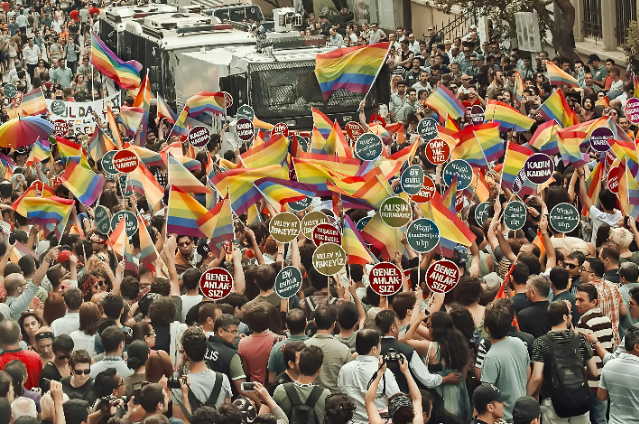
June’s colours flutter louder than summer heat. A month when streets, stories, and symbols converge to remember a night in 1969 that transformed survival into outspoken resistance. Pride is less a calendar entry than an annual moment of remembrance and community.
Happy Pride Month! Here's what most people don't know:
It started as a riot, not a parade
Lesbian, Gay, Bisexual, Transgender and Queer (LGBTQ+) Pride Month is observed every June to honour the 1969 Stonewall Uprising in Manhattan — a decisive turning point for the modern LGBTQ+ rights movement. On June 28, 1969, police raided the Stonewall Inn, a gay bar in Greenwich Village operating without a liquor license. Arrests were routine then, and a local law required people to wear at least three “gender-appropriate” items of clothing. That night, patrons and neighbourhood residents resisted; the confrontations lasted several days and sparked sustained activism across the United States.
Within a year, activists organised Christopher Street Liberation Day to mark the anniversary. The first Pride march in New York City took place on June 28, 1970, drawing an estimated three to five thousand marchers. The march grew from planning done by homophile organisations, including members of the Eastern Regional Conference of Homophile Organisations (ERCHO) and activists such as Frank Kameny and Lilli Vincenz. Primary-source records. Planning documents, flyers, correspondence, and ephemera held at institutions like the Library of Congress — show the march aimed to protest “government hostility to employment and housing discrimination, Mafia control of gay bars, and anti-homosexual laws,” and to give the community a visible space for solidarity.
A bisexual woman invented Pride Month.
Most credit Stonewall, but few know Brenda Howard — known as the "Mother of Pride" — organised the first Christopher Street Liberation Day March on the riot's anniversary and originated the idea for a week-long series of events around Pride Day, which became the genesis of annual Pride celebrations worldwide. Howard and others also helped popularise the term “Pride” as a rallying name for these events.
Symbols and traditions of Pride evolved:
Pride observances have expanded from marches to month-long calendars that include parades, picnics, parties, workshops, symposia, concerts, and memorials for those lost to hate crimes and HIV/AIDS.
The rainbow flag originally had 8 stripes.
The original flag had eight colours: pink for sex, red for life, orange for healing, yellow for sunlight, green for nature, turquoise for art, indigo for harmony, and violet for spirit. Hot pink was dropped because the fabric was unavailable when demand surged after Harvey Milk's assassination. Turquoise was later removed, so the flag had an even number of stripes, allowing it to be split along both sides of parade routes. Practical reasons, not artistic ones.
Before the rainbow, there was a Nazi symbol.
Before the rainbow flag, many LGBTQ+ communities used a pink triangle — adapted from the badge gay prisoners were forced to wear in Nazi concentration camps. The community reclaimed it as resistance, but eventually wanted something more hopeful.
Pride’s official recognition developed unevenly. In the United States, the last Sunday in June was initially marked as “Gay Pride Day,” and over time, major cities turned it into a month-long series of events. Presidential proclamations and formal recognitions followed much later, with Presidents issuing annual Pride month proclamations only beginning in the late 1990s.
Tensions within the movement remain important to acknowledge. Many early organisers intended Pride to be an act of resistance and direct political protest; today’s Pride celebrations often combine political demands with celebration and visibility. Debates continue over the commercialisation of Pride, especially when corporate sponsors that fund parades also support politicians or policies harmful to LGBTQ+ rights. This tension between celebration and protest keeps Pride rooted in its history while shaping how communities choose to mark the month.
Why June matters
Pride isn’t just a party month — it commemorates a pivotal moment when marginalised people fought back, organised, and transformed a local uprising into a global movement for dignity, legal rights, and social acceptance. The joy and colour of contemporary Pride build on those acts of courage and the organising that followed.
Pride’s colour and joy matter, but so does the history behind them. These gatherings remember those lost to violence and illness, call out ongoing injustices, and demand policy change. Celebrate loud, yes — but keep doing the quieter work: listen, learn, support activists, and push for equal rights year-round.
References: