
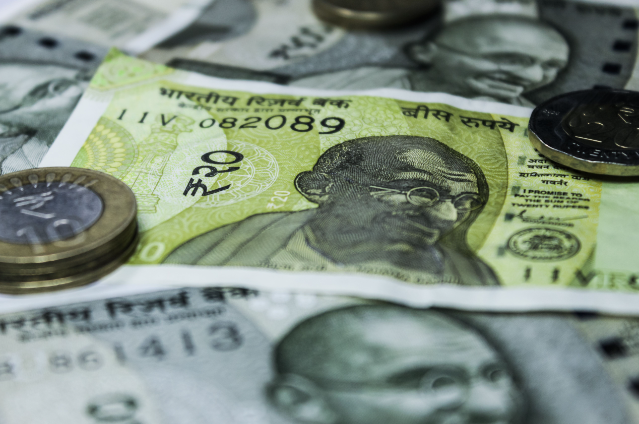
One morning in 2026, the Indian rupee slipped to ₹95.8 per US dollar - its lowest point ever. Not long back, each dollar bought only about ₹85. That shift wiped out more than 12 per cent of the currency's worth in weeks.
Yet this plunge did not come from nowhere; powerful financial tides pushed it down.
Oil Prices Affect Trade Deficit
Most of India’s crude oil comes from abroad, with over eighty per cent being imported. When trouble flares up in West Asia, prices climb - now past one hundred dollars a barrel. Each jump hits hard, raising import bills.
More money flows out when imports beat exports, so the rupee tends to lose strength slowly. Oil costs stay high because ships face risks near Hormuz, adding strain on India's spending abroad.
Foreign Investors Leaving
Money from overseas is pulling out of India fast this year. Since January, more than eighteen and a half billion US dollars have flowed away from Indian stocks.
Each time global funds sell holdings here, they swap local currency into greenbacks before leaving. That kind of exchange pumps up dollar appetite across trading desks. The extra pressure makes the rupee lose ground bit by bit.
A Structural Trade Imbalance
Imports of advanced tech - electronics, machines - are rising because local output still falls short. Energy bills keep climbing, a trend that continues while oil remains expensive.
When exports lag behind imports, pressure builds on the rupee. Sectors such as IT, medicines, and fabrics need to boost output quickly if that gap is to be closed.
The Strong US Dollar
The US dollar has strengthened significantly in 2026 due to Higher interest rates set by the US Federal Reserve, and global investors flocking to dollar-denominated assets during times of uncertainty. Because the dollar gains strength, money such as the rupee often loses ground.
Geopolitical Turmoil
Out of nowhere, tension in West Asia started shaking financial systems worldwide. As fighting kicked off, the rupee slipped roughly five per cent.
Oil costs climb, trade paths break apart - rupee feels the pressure. When world tensions rise, money usually flees from nations like India.
India’s Currency Moves With Some Freedom but Stays Guided
Most of the time, supply and demand set how much the rupee is worth. Still, if swings get wild, the RBI steps in to steady things.
When the rupee falls sharply, it sells U.S. currency from stored reserves to slow the decline. Interest rates shift now, pulling in overseas money while giving the local currency a boost.
Still, such actions only go so far. When oil costs stay elevated, or the trade gap grows, the RBI finds itself boxed in.
Winners and Losers of a Weaker Rupee
When the rupee drops, it doesn’t just bring trouble - some gain while others struggle.
The Winners: Exporters
A dip in the rupee feels like luck for those shipping goods from India. Because dollar income dominates, each fall in value fills wallets back home with extra rupees once swapped.
Picture the tech industry. A firm pulling in one million dollars once received eighty-five million rupees. Now, that same amount becomes ninety-five million rupees instead.
Medicine makers, fabric producers, and machinery exporters gain too because Indian goods become cheaper for overseas buyers.
The Losers: Importers and Consumers
Most things India buys from abroad - oil, gadgets, machines, precious metals - come at a higher tag when the local currency weakens.
Fuel costs climb, transport grows pricier, and items such as phones, vehicles, and health supplies slowly get steeper in stores.
Companies borrowing in US currency suffer too. Debt repayments become far more expensive once the rupee weakens.
Can the RBI Halt the Rupee's Decline?
Fighting to steady the rupee, the RBI finds few tools at hand.
When demand spikes, selling dollars from stockpiles helps calm shifts in value. To boost the rupee, higher interest rates pull in overseas funds instead.
Still, these steps last just a while. Fixing stubborn problems - say, costly crude or long-standing import gaps - is beyond their reach.
What Comes Next for the Rupee?
Prices might briefly touch ₹90–₹95 soon, held up each time by RBI action.
Should world markets grow more confident while the greenback loses strength, overseas buyers may step back in, adding fresh dollar inflows.
When India sells more goods abroad than it buys, the gap in trade might shrink, which means less pressure to keep sending dollars overseas.
Reality checks matter. When overseas investors pull money out, or when crude stays expensive, pressure builds on the rupee.
The Big Picture: Crisis or Adjustment?
Falling value of the rupee does not mean India's economy is breaking apart. Rather, it shows how outside pressures mix with local struggles.
The American dollar’s strength drags down developing economies worldwide - India included. Toss in global tensions and capital fleeing abroad, and suddenly exchange rates wobble.
Still, India's economic rise continues. Young workers fuel it. Infrastructure grows alongside a buzzing technology scene.
Right now, the rupee is shifting, not failing.
What This Means for You
A dip in the rupee's value might open doors for exporters aiming at fresh destinations.
Consumers, however, may face steeper bills for foreign products. Investors will watch RBI moves closely, while businesses may look for ways to protect themselves from currency swings.
The Rupee Still Has Chapters Left
One thing's certain - the path ahead isn’t clear for the rupee in 2026.
India’s economy may face stress, yet its future strength still holds. What happens next depends on world oil costs, decisions by America’s central bank, and whether India can export more goods abroad.
References:
- The Times of India. (2026, May 13). Rupee at record low of 95.8/$, worst performer in Asia this year. The Times of India.
- CNBC. (2025, December 22). Asia’s worst‑performing currency is set for a rocky start to 2026: Rupee, trade deals, outflows. CNBC. https://www.cnbc.com
- Oilprice.com. (2026, February 23). India’s oil import dependence climbs to nearly 89% as domestic output lags. Oilprice.com. https://oilprice.com
- Investing.com. (2026, February 24). India’s oil import dependence climbs to nearly 89% as domestic output lags [Market analysis]. Investing.com. https://www.investing.com
- Indian Express. (2026, February 24). India’s reliance on imported oil may hit a fresh full‑year high in FY26 amid rising demand and sluggish domestic output. The Indian Express. https://indianexpress.com
- BBC India [Facebook]. (2025, December 18). The Indian rupee has become Asia’s worst-performing currency after it saw a sharp depreciation of 6% against the US dollar in 2025