
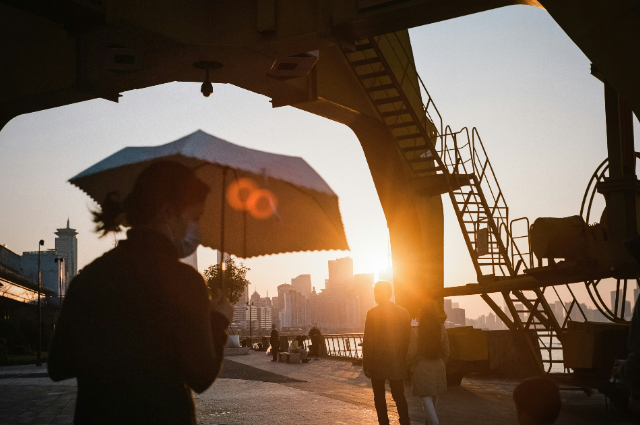
There was a time when Bengaluru felt like an escape during summer. People used to talk about its weather like it was a personality trait, calm, balanced, almost comforting. But in 2026, that feeling is slipping. The city that once stayed cool is now regularly crossing 36 to 37 degrees in April, and for many residents, it no longer feels like the Bengaluru they grew up hearing about.
This shift is not just about one city. Across India, the heat this year has been unusually intense. Data from AQI.in shows something alarming: almost 95 out of the world’s 100 hottest cities are currently in India. That is not a random occurrence. It reflects how widespread and consistent the heat has become across regions.
On April 26, Sasaram recorded temperatures touching 45 degrees. Several cities in Uttar Pradesh, like Varanasi, Mirzapur, and Prayagraj, were not far behind, hovering around 44 degrees. These are not isolated spikes anymore. For many people, this is becoming their everyday reality, especially for those who cannot stay indoors during peak hours.
The impact is visible across multiple states. Maharashtra, Telangana, Madhya Pradesh, Odisha, and Uttar Pradesh are among the worst affected. Cities from these regions are consistently appearing in global temperature lists, showing how widespread the situation has become.
What makes Bengaluru’s case stand out is the contrast. Unlike cities in northern India, where extreme summers have always been expected, Bengaluru was known for being different. That difference came from its greenery, its elevation, and its relatively slower pace of development in earlier years. But things have changed. Rapid construction, expanding roads, and shrinking green spaces have started to affect how the city holds and releases heat.
This is where the Urban Heat Island Effect comes in. When natural surfaces like soil and trees are replaced with concrete and asphalt, cities begin to trap heat. These materials absorb heat during the day and release it slowly, which means even nights don’t cool down as much as they used to. Over time, this raises the overall temperature of the city.
Alongside this, Climate Change is making extreme weather more frequent. Heatwaves are lasting longer and reaching higher temperatures. What used to feel like an unusually hot day is now becoming normal, and that shift is happening faster than most people expected.
There is also a deeper layer to this change. Development brings growth, jobs, and better infrastructure, but it also comes with trade-offs. Trees get cut, open spaces disappear, and cities become more crowded. Over time, these changes don’t just affect how a place looks; they affect how it feels to live there. Bengaluru is slowly moving through that transition, where growth is starting to reshape its climate.
As of now, some parts of eastern and northeastern India might see short bursts of relief with thunderstorms and gusty winds. But these are temporary. A proper drop in temperature is unlikely until stronger pre-monsoon systems arrive or the monsoon spreads further across the country.
The heat is also starting to show up in public health concerns. Schools have been advised to keep ORS ready, and hospitals are preparing for more cases of dehydration and heat-related illnesses. For many people, especially children, elderly individuals, and outdoor workers, this heat is not just uncomfortable; it is risky.
What is happening right now is a reminder that the weather is no longer something distant or predictable. It is changing in ways that directly affect daily life. The loss of Bengaluru’s cool evenings might seem small at first, but it reflects a much bigger shift happening across cities.
For now, the focus has to be on staying safe. Drinking enough water, avoiding the sun during peak afternoon hours, and keeping track of updates from the India Meteorological Department can make a real difference.
But beyond that, this situation raises a bigger question. If cities continue to grow without protecting their natural balance, what will they feel like a few years from now? Bengaluru was once the example of what a comfortable city could be. The fact that it is now struggling with heat says a lot about where things might be heading if nothing changes.
Reference..
- India Meteorological Department – https://mausam.imd.gov.in