
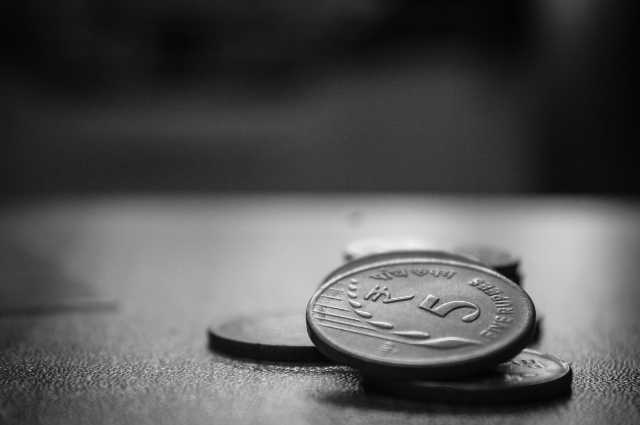
The Indian rupee (INR) has slipped past historic lows toward ₹96.86 per US dollar, standing as one of Asia’s lagging currencies amid heavy foreign portfolio investment (FPI) outflows, escalating Middle East-driven crude oil costs, and aggressive US trade tariffs. The lack of progress on a US–India trade deal is compounded by persistent foreign capital outflows, placing heavy downward pressure on the rupee throughout the year.
The world’s fifth-largest economy saw its currency drop past ₹92 against the US dollar toward the end of March 2026, after previously trading around ₹89.6. In August, the United States imposed tariffs on most Indian exports at 50%—the highest rate across Asia. Following these steep tariffs, Indian exports to the US fell nearly 12% in September and 8.5% in October, though they rebounded sharply in November with a 22.6% rise. India remains among the most heavily tariffed countries globally, with levies that dwarf even those placed on China while trade talks between New Delhi and Washington continue to drag on.
Overall, the rupee experienced a 7% to 8% drop against the US dollar, reaching ₹96.86 in mid-May 2026. This follows a trend from 2025, when it fell over 5% and broke past the ₹90 mark. Historically, the long-term trajectory of the Indian rupee has seen a steady depreciation of about 3.5% to 4.5% annually since the landmark 1991 economic liberalisation. However, the current intense pressure highlights a mix of chronic structural realities and sharp external shocks.
The year 2026 has proved to be one of the most volatile periods in recent memory and, by several measures, the worst-performing year for the currency in over a decade. The decline has been driven by a sharp spike in Brent crude prices tied to conflicts near the Strait of Hormuz, sustained foreign portfolio investor capital outflows from Indian equities and debt, broader dollar strength, and the US Federal Reserve keeping interest rates higher for longer.
Just as indices like the Nifty or Sensex fluctuate, the Indian rupee moves based on demand-and-supply dynamics in the global currency market. Key drivers of this trend include:
- High Crude Oil and Import Bills: India imports over 70% of its crude oil in USD. As oil prices rise sharply, India requires more US dollars to settle import bills, widening the trade deficit and placing downward pressure on the INR.
- Escalating Geopolitical Conflicts: Escalations in the Middle East heighten global risk aversion. As investors flee to safe-haven assets like the US dollar, emerging market currencies like the INR weaken.
- Foreign Portfolio Outflows: Foreign portfolio investors have recently sold significant holdings in Indian equities and bonds. Net selling requires liquidating INR to purchase USD, directly weakening the Indian currency.
- Global US Dollar Strength: The US dollar remains globally renowned for its higher yields and safe-haven demand. A strong USD naturally makes peer currencies appear weaker in comparison.
- Capital and Confidence Shocks: A confluence of pressures—rising bond yields, capital flight, fragile investor confidence, and negative global sentiment—compounds the strain on the rupee when occurring simultaneously.
Interestingly, while the Indian rupee dropped past ₹95 per US dollar through 2025 and 2026, the Pakistani rupee (PKR) stayed relatively steady during parts of the same period. The INR depreciated 11.8% against the PKR between May 2025 and May 2026 (including a 6.8% fall in 2026 alone). On May 15, 2025, the exchange rate stood at 3.2913 PKR per INR, but by May 18, 2025, it had fallen to 2.9010 PKR per INR. The INR also softened against the Bangladeshi Taka (BDT), declining from 1.42 to 1.28 Taka per rupee—a nearly 10% annual fall.
This comparison is instructive: Pakistan entered an International Monetary Fund (IMF) program in 2025 that mandated strict fiscal and monetary measures, helping stabilise its currency metrics in the short term. Meanwhile, India’s broader and more diversified economy continues to attract higher Foreign Direct Investment (FDI) over the long run, ensuring its fundamental economic base remains far stronger despite short-term currency pressures.
The rupee’s recent underperformance is not a sign of domestic insolvency, but rather a reflection of structural vulnerabilities to imported energy shocks and volatile "hot money" flows. Achieving long-term stabilisation will require lower crude oil baselines, a rebound in foreign equity inflows, and a narrowing of the national trade deficit.
References:
- Anand Rathi Financial Services: https://www.anandrathi.com
- Matrix Forex Services: https://www.matrixforex.in