
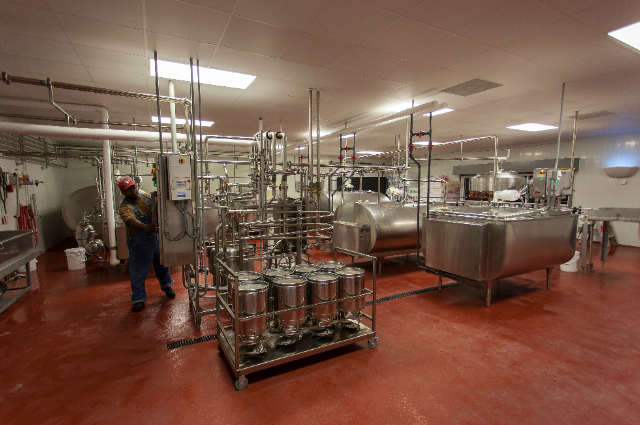
The toughest food safety enforcement action by the Food and Drug Administration (FDA) in Maharashtra involves a one-year renewable ban on gutkha, pan masala, and flavoured tobacco, which are backed by legal provisions and can subject violators to life imprisonment under Section 328 of the Indian Penal Code (IPC) for causing hurt by means of poison. Maharashtra has officially banned the production, distribution, and mostly the sale of fake analogue paneer for one entire year. State FDA Commissioner Tukaram Mundhe issued his gazette order on 30th July, 2026, which cites grave public health concerns. Alarming lab reports followed the crackdown, showing over 35% of recent state paneer samples failed quality tests due to vegetable fat adulteration. The Maharashtra government has imposed a one-year ban on analogue paneer after the report of FDA tests showing 109 out of 308 samples, or 35.4%, failing FDA quality standards, which also includes 30 unsafe demands. The ban covers manufacturers and food establishments, while the authorities are launching a statewide enforcement drive with inspections, seizures, and legal action taken against violators. In Maharashtra, due to the FDA crackdown, Mumbai’s iconic Parsi dairy farm lost its license (food and business) after inspections, which uncovered serious violations of food safety and hygiene norms, as announced on July 16. The action was just a part of a statewide enforcement drive during which food products worth over RS. 1.90 crore. The inspection at Princess Street company’s facility in South Mumbai revealed various violations of the Food Safety and Standards Act, 2006, and various problems which lastly led to the immediate suspension of the FSSAI license. The news also reports several hygiene lapses, like a damaged raw milk reception dock, storage cracking, production areas, improper storage of raw materials and finished products and the absence of an effluent treatment plant. According to FDA, the statewide drive resulted in the seizure of 2,317 litres of milk, 30 litres of oil and 6,849.25 kg of dairy products, which are worth Rs. 45.78 lakh; and from another unit of Parsi Farm, FDA confiscated food products worth Rs. 32.11 lakh over suspected misbranding and substandard quality. Tukaram Mundhe led the FDA Maharashtra in finding altered dates on food products, seizing a total of 4942 cartons of products worth Rs. 75.21lakh from a facility in Navi Mumbai. Testing 308 samples, 79 were found substandard and 30 unsafe. The rules split paneer into different categories based on fat content: standard paneer sold either loose or packed, medium-fat and low-fat paneer sold in sealed packaging.
The Maharashtra FDA and central India regulators have significantly intensified their crackdown on contaminated pharmaceuticals following the lethal global and domestic incidents which are linked to toxic cough syrups. Respifresh TR and Relife cough syrup have formulas that contain diethylene glycol, which is a toxic chemical causing serious poisoning, including kidney failure, child death, and neurological complications. The distribution of batches was strictly prohibited under Section 18 of the Drugs and Cosmetics Act, 1940. FDA of Maharashtra has issued an urgent alert which follows reports of the deaths of children in Rajasthan and Madhya Pradesh linked to Coldrif syrup batch no. SR 13, manufactured in May 2025 by Sresan Pharma, Tamil Nadu, but is alleged to contain (DEG) Diethylene glycol, a toxic substance, and the expiry is in April 2027. It has directed all licensees and the public to stop the immediate sale, distribution or use of Coldrif syrup – SR 13. The news of deaths first emerged in early September, but the cause remained elusive as no post- mortems were conducted due to lack of permission from parents. Furthermore, the Central Drugs Standard Control Organisation recently launched inspections of drug manufacturing units nationwide. India’s regulatory bodies are shifting from reactive damage control to systemic, proactive prevention. The alignment of strict manufacturing penalties, like life imprisonment, with dietary crackdowns on high-fat, sugar, and salt (HFSS) foods.
Maharashtra FDA has announced a ban on the sale of processed and packaged foods and drinks that are high in fat, sugar, and salt within 50 metres of school compounds, and the order will be strictly implemented. Tukaram Mundhe said that all the guidelines should be applied to all government, government-aided and private schools. The sale, advertisement and free distribution of high-fat, salt and sugar food items is completely banned by FDA. On July 27, the state government issued a compliance order for enforcing food safety and nutritional standards across educational institutions, adding that the move would affect nearly two crore students. He also said that canteens, mid-day meal, food suppliers, etc. must obtain mandatory registration and licenses under food safety regulations. HFSS food items cannot be sold or even distributed free of cost.
Indian food and drug authorities are significantly tightening enforcement rather than reacting to a sudden emergency.
References:-