
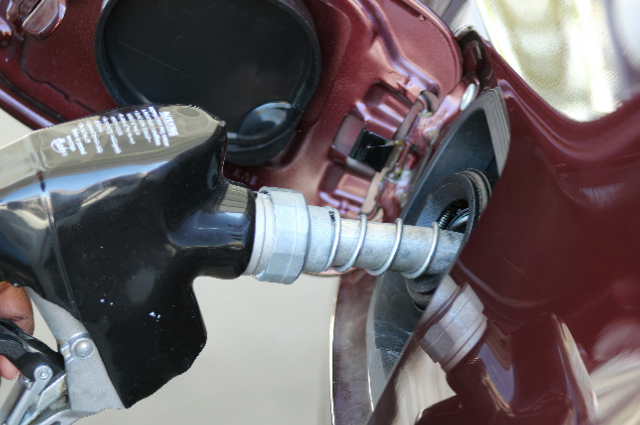
Ethanol is a renewable fuel that has become an attractive alternative to fossil fuels as the world looks to find cleaner ways to power the planet. Ethanol (C2H5OH) is made from long-term plant feedstock, including sugarcane and corn, as well as other biomass; it burns much cleaner than petrol and helps reduce our reliance on crude oil. As a result of this new fuel flavor, many countries have begun using blended gasoline containing up to 10% ethanol (E10) or 20% ethanol (E20), with the goal of promoting greater use of renewable fuels; however, much higher concentrations of ethanol, or E100 (pure ethanol), are now available as renewable fuels, posing significant challenges for use in conventional gasoline-powered vehicles.
Ethanol is a highly potent organic solvent. This means that the solvent is able to dissolve and degrade certain materials. While petrol is considered a relatively non-polar compound, ethanol has a polar hydroxyl group that allows it to be more chemically compatible with many of the common materials that make up traditional fuel systems than petrol does. For example, anti-static and adhesive coatings, rubber seals, plastic fuel lines, gaskets and other components were built to withstand gasoline, not highly concentrated alcohol.
As fuel flows through an engine over time, E100 has the potential to soften, swell, crack, and dissolve the materials used in it. For example, rubber fuel hoses may lose their flexibility or become brittle, seals may fail and leak gas, and plastic components may break down. Damage to these materials does not occur suddenly but rather develops progressively through a chemical reaction to the fuel. It causes the deterioration of the fuel system, which can lead to costly repairs or dangerous leaks of fuel.
The hygroscopic property of ethanol is what presents the biggest challenge. This means that ethanol has the ability to absorb moisture from the environment and that the addition of moisture to E100 will increase the likelihood of corrosion in the fuel system. In engines that are not built to handle high levels of ethanol in the fuel, corrosion from the ethanol's ability to absorb moisture leads to poor fuel delivery and/or shortened life cycles of critical engine components.
Ethanol is a fuel that burns differently than gasoline. Ethanol has a lower energy density compared to gasoline, so more fuel is needed to make the same amount of energy from ethanol as from gasoline. E100 engines can change the way they run by adjusting several factors, such as fuel injection, compression ratio, and ignition timing. Conversely, normal gasoline engines are set to run on gasoline. Operating on pure ethanol may cause these engines to not start easily, to have lower performance, consume more fuel, and potentially be damaged as a result of an improper air-fuel mixture.
This does not mean ethanol is harmful in all forms. Low-level ethanol blends have been successfully used around the world for decades. For example, E10, which contains 10% ethanol, is commonly used in countries including the United States and Australia, while countries such as Brazil have developed vehicles capable of running on much higher ethanol concentrations. Brazil’s flex-fuel vehicles are engineered with ethanol-resistant materials, modified fuel systems, and electronic controls that can automatically adapt to fuels ranging from pure gasoline to E100.
The difference lies in engineering. E100-compatible engines use materials such as specialized synthetic rubber, stainless steel, and ethanol-resistant plastics that can withstand alcohol exposure. Their fuel systems are also designed to handle ethanol’s different chemical properties and increased fuel demand.
The conversation around ethanol highlights a broader reality of sustainable technology: a greener alternative is only effective when the surrounding infrastructure is prepared for it. Simply replacing one fuel with another without adapting engines, storage systems, and materials can create new technical problems.
Ethanol is an important element of the global shift to cleaner transportation because it will reduce some greenhouse gases, as well as allow for additional sources of renewable crops to use as fuel, and reduce dependency on petroleum. However, science has shown that E100 is not simply a drop-in replacement (i.e., without the need for retrofitting) for gasoline when used in an engine that was designed to run on gasoline. E100 has solvent properties that can deteriorate, absorb moisture, and combust differently than gasoline. Over time, these attributes of E100 will make it a mechanical nightmare to use if the engine has not been retrofitted to run on it.
References
- https://afdc.energy.gov
- https://www.nrel.gov
- https://www.sae.org
- https://www.epa.gov
- https://www.iea.org