
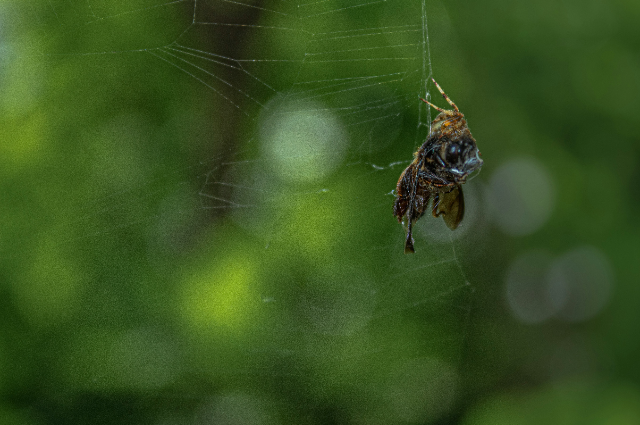
For many people, the sight of a spider dangling from a ceiling or lurking in a corner is enough to trigger an immediate reaction of fear. Spiders consistently rank among the world's most disliked animals, inspiring countless horror movies, phobias, and frantic attempts to squash them on sight. Yet behind their unsettling appearance lies a surprising truth: spiders are among the most important creatures on Earth.
Despite their reputation, spiders are not villains of the natural world. In fact, they are some of its most effective guardians. Scientists estimate that spiders collectively consume between 400 and 800 million tons of prey every year, most of which consists of insects. This makes them one of the planet's most significant natural pest controllers, quietly performing a service that benefits ecosystems, agriculture, and even human health.
One of the biggest ways spiders help humans is by keeping insect populations under control. Mosquitoes, flies, moths, aphids, and countless other species form a large part of their diet. Many of these insects are not just annoying; they can spread disease, damage crops, and disrupt ecosystems. Mosquitoes alone are responsible for transmitting illnesses such as malaria, dengue fever, and Zika virus, affecting millions of people worldwide each year. By feeding on these insects, spiders help reduce their numbers naturally, without the need for chemical intervention.
Their role in agriculture is equally important. Farmers often view insects as one of their greatest challenges, with pests capable of destroying large portions of crops before harvest. Spiders act as a free and sustainable form of pest management, hunting insects that feed on grains, fruits, and vegetables. Researchers have noted that fields with healthy spider populations often experience lower levels of crop damage. Without these eight-legged predators, farmers would likely need to rely more heavily on pesticides, increasing costs and environmental impact.
The importance of spiders becomes even clearer when imagining a world without them. Insect populations reproduce rapidly, and many species can multiply into the millions under favourable conditions. Without natural predators keeping them in check, outbreaks of crop-eating insects could become far more common, threatening food production and biodiversity. Ecologists often describe spiders as a crucial link in the food web, helping maintain balance between prey and predator populations across forests, grasslands, wetlands, and even urban environments.
Beyond their ecological contributions, spiders are also proving valuable in medical research. Their venom, often feared because of its association with dangerous bites, contains a complex mix of molecules that scientists are studying for potential therapeutic uses. Researchers have identified compounds in spider venom that may help develop new painkillers capable of treating chronic pain without the addictive side effects associated with opioids. Other studies
They are investigating whether venom-derived molecules could be used in treatments for strokes, heart conditions, and neurological disorders.
One promising area of research involves peptides found in certain spider venoms that can protect brain cells after a stroke by reducing damage caused by oxygen deprivation. Scientists are also exploring how specific venom compounds interact with nerve cells, which may eventually contribute to treatments for epilepsy and other neurological conditions. What was once viewed solely as a dangerous toxin is increasingly being recognised as a potential source of life-saving medicine.
Spiders themselves are also remarkably diverse. More than 50,000 species have been identified worldwide, ranging from tiny jumping spiders smaller than a fingernail to large tarantulas that can span the size of a dinner plate. Most species are harmless to humans, and only a small fraction possess venom strong enough to cause serious medical complications. In reality, spiders are generally far more afraid of humans than humans are of them, often retreating or hiding rather than attacking.
Their survival, however, is becoming increasingly uncertain. Habitat destruction, pesticide use, urban expansion, and climate change are affecting spider populations in many regions. Because spiders play such an important ecological role, their decline can have ripple effects throughout entire ecosystems. A reduction in spider numbers often leads to increases in insect populations, disrupting the delicate balance that nature has spent millions of years refining.
Perhaps the greatest irony surrounding spiders is that one of humanity's most common fears is directed toward a creature that helps us every day. They protect crops, limit disease-carrying insects, support ecosystems, and may even contribute to future medical breakthroughs. While they may never win a popularity contest, spiders have earned something far more important: recognition as one of nature's most valuable and misunderstood allies.
References
- https://www.smithsonianmag.com
- https://www.uq.edu.au
- https://www.nationalgeographic.com
- https://wsc.nmbe.ch