
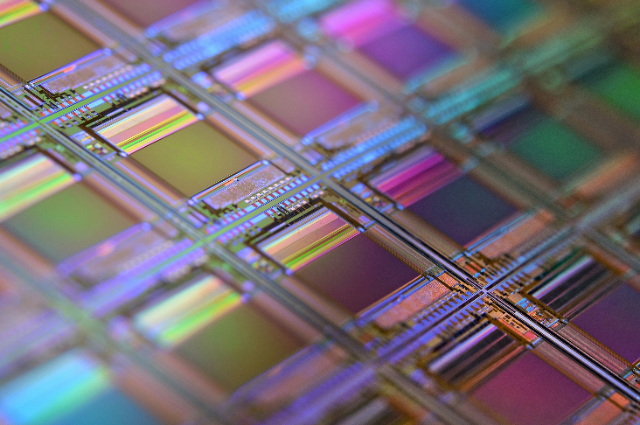
The smartphone market faces a different kind of shortage of chips called “RAMmageddon” or “RAMpocalypse.” The previous chip shortage in 2020–2023, commonly known as the semiconductor shortage, occurred mainly due to the disruption in the supply chain created by the pandemic. This time the problem is associated with the rapid expansion of artificial intelligence.
For AI data centers, there is a need for large numbers of memory chips, including HBM (high bandwidth memory) and DRAM for servers. As a consequence, chipmakers like Samsung, SK Hynix, and Micron have decided to focus their efforts on such memory chips. Therefore, there is a strain on the memory needed for the production of smartphones, PCs, and other gadgets.
This means that there is an unexpected scenario in the smartphone market. Premium brands such as Apple and Samsung appear to be more resilient, whereas smaller brands relying on budget smartphones feel increased pressure.
This Is Not the Same Chip Shortage as 2020–2023
This current shortage has many differences from the shortage of semiconductors that occurred during the coronavirus pandemic.
From 2020 to 2023, semiconductor manufacturing and logistics were hampered by lockdowns, plant shutdowns and general problems with the global supply chain. During this period, there was a sharp increase in the demand for laptops, phones and other electronics due to remote work and education.
The present shortage has a completely different reason. The rapid development of artificial intelligence led to the appearance of colossal demand for memory. AI servers require strong processors along with huge quantities of superfast memory. Because of that, the producers of memory are now prioritizing HBM and server memory in their manufacturing processes while leaving less space for regular phone memory.
In reality, producers did not stop producing memory for phones; instead, companies producing smartphones compete for the product on the market with stronger buyers — AI companies.
Why AI Is Taking Memory Away
From Smartphones, the data processing capacity needed for modern AI requires significant amounts of data to be processed. This increases the significance of high-bandwidth memory in accelerators of AI and in data centres.
Samsung, SK Hynix, and Micron are among the biggest suppliers of memory. Their motivation to focus on the development of AI-related memory is also economically justified as this product is in great demand and has good financial potential.
However, this tendency has caused a tricky situation for smartphone producers. While the need to keep down expenses has become especially urgent, the shortage of traditional memory has appeared.
Construction of a new semiconductor plant is also far from being an immediate solution due to its cost and long duration.
Hyperscalers Have Another Advantage
Technology companies have yet another key strength– strong buying power.
Large corporations such as Google, Microsoft, Amazon, and Meta spend billions of dollars on their artificial intelligence infrastructure. They can enter into multi-year deals with memory suppliers in order to assure their future needs.
Samsung is one such corporation that entered into multi-year supply deals with large data center clients. These deals provide larger AI companies with assurance regarding their memory supply needs.
It becomes difficult for smartphone manufacturers, especially small companies, to compete with such deals. A budget phone manufacturer cannot guarantee the same purchase quantity and premium like a large technology company that is constructing huge AI data centers.
This creates a vicious cycle where the tight supply causes an increase in the price of memory, which increases the cost of manufacturing smartphones, leading to difficult decisions of raising the price, decreasing specifications or earning less profit.
Why Budget Phones Are Taking the Biggest Hit
Prices of memory are especially critical for budget-friendly smartphones, as producers of these devices usually have narrow margins.
In case there is a sharp increase in the price of memory, a premium brand might absorb a share of the added costs. In the case of a company selling smartphones at 100 amd 150, this is hardly possible.
This is one more reason why budget-friendly devices are some of the most vulnerable goods in the current situation.
According to Omdia, devices with a price lower than $100 will face a tough time in 2026. It should also be noted that phones costing from $100 to $399 are quite vulnerable, as companies producing these devices are not powerful enough in the market of memory.
Transsion, Xiaomi, and Other Smaller Brands Feel the Pressure
Transsion, Xiaomi, Realme, Oppo, and Vivo brands are known for fierce competition in the market for affordable and mid-tier smartphones.
Their business model is largely built on high shipment volumes and affordable pricing of their phones. The ongoing problem with memory supply makes such an approach very hard.
Based on forecasts provided by Reuters, shipments of smartphones made by Transsion and Xiaomi will suffer significantly greater losses than Apple and Samsung in 2026.
It does not mean that these companies disappear from the market, but instead they will have to take tough steps including fewer model launches, higher pricing, lower spec or higher focus on more profitable products.
The main difficulty for the brands is to remain affordable despite growing price of one of their key component.
Why Apple Is Better Protected
Despite this fact, Apple enjoys certain benefits.
First, Apple is working mostly in the segment of premium smartphones. Consumers of costly iPhones are usually less sensitive to any increase in prices compared to consumers of extremely inexpensive smartphones.
Secondly, Apple enjoys huge buying power and great connections with its suppliers. As such, it will find it easier to obtain components despite any shortages.
IDC believes that Apple is going to stay much more resilient compared to the overall smartphone industry during the current memory shortage.
Moreover, Apple will be able to distribute the high costs of components among costly devices. In case the cost of memory rises, the effect on the price of the smartphone will be easier to handle compared to the rise in cost of a $100 phone.
Nevertheless, Apple is not completely safe. There are reports saying that Apple is looking for new sources of memory amid the shortage of the component. This shows that even the biggest smartphone producers perceive the crisis as very serious.
Samsung Has an Unusual Advantage
The case of Samsung is particularly interesting since the company is present in both markets at once.
Samsung is among the biggest producers of memory chips, as well as smartphone providers.
In this case, despite the fact that Samsung's smar division suffers due to the increase in prices for memory, the semiconductor division profits from growing demands for AI memory.
Recently, the financial results showed how advantageous this feature is for the company. The Samsung semiconductor division has been profiting from the growing demands for AI memory.
Thus, the company has an advantage that Xiaomi and Transsion lack. Samsung will profit from the same AI boom that is causing an increase in the price of smartphone memory.
The smartphone division will face the challenges, yet the overall business of Samsung will be in a better position to endure the crisis.
Smartphone Prices Are Rising While Shipments Fall
The most apparent consequence of the shortage of memory for consumers is an increase in the prices of smartphones.
According to IDC, global smartphone shipments will drop by 13.9% in 2026, reaching 1.09 billion units shipped. Should the forecast prove accurate, it would mean the largest annual decline on record in the smartphone market history.
In the meantime, the average cost of a smartphone is likely to increase dramatically, creating a paradox when fewer smartphones are sold, but at an increasing price.
There is no mystery in the reason behind it: increased prices for components and the desire to preserve profit margin. India faces the same challenge. According to Omdia,
Indian smartphone shipments dropped by 13%yoy in Q2 of 2026, and increased memory prices led to increasing costs of smartphones. It is crucial for India due to the fact that a significant proportion of Indian smartphones are inexpensive and mid-tier phones.
It Is Not Just a Smartphone Problem
Memory shortage is not confined to mobile phones anymore.
Computer manufacturers have to cope with increased prices for DRAM and NAND. The infrastructure for AI needs lots of memory, including enterprise SSD that uses NAND flash.
Due to the increasing significance of the AI infrastructure, consumer electronics companies find themselves in competition with data centers for semiconductor production capacity.
In addition, cars and other electronics may experience such shortages since modern cars use semiconductor-based electronics. Thus, it is a much broader competition for semiconductor production capacity than just a mobile phone issue.
WhenWill the Shortage End?
There is no consensus about when the shortage of memory chips will come to an end.
According to some forecasts by manufacturers, supply might improve starting with the second half of 2027. But there are those who think that real relief could be delayed.
The fact is that in order to increase the amount of memory chips, one needs to construct new plants and build up production capacity. This process takes several years.
Meanwhile, the need for AI technology grows rapidly. Thus, even if manufacturers manage to produce more chips, most of them would be absorbed by data centres which support AI technologies.
For this reason, some estimates indicate that the shortage of memory could last until 2028 or even until 2030.
The key point here is that the mobile phone industry might not return soon to the era of very cheap memory chips.
What This Means for Consumers
One of the most significant impacts on consumers will be the gradual elimination of very cheap smartphones.
The manufacturers might raise prices, minimize RAM or internal storage options, cut down the number of models, and drop models with very low profit margins.
Additionally, consumers might prolong the life of their phones because upgrading to a newer version will become increasingly costly.
Such an impact would be good for the second-hand and refurbished market since consumers will seek out alternatives to the latest models.
At the same time, for consumers, the existing situation means that upgrading to the next smartphone generation is no longer associated with reduced costs.
The current memory shortage is redefining the smartphone industry from within.
Unlike the previous chip shortage driven by the pandemic, the current one is directly linked to the rise of artificial intelligence.
While the memory makers cope with unprecedented demand from AI data centers, leading tech companies are securing their future supply in the form of multiyear deals.
Thus, the smartphone makers will be competing for a smaller slice of the consumer memory pie.
Not all players are equally affected. Apple and Samsung are big enough, rich enough, and well-connected enough to weather the storm better than the rest. The budget-oriented companies like Transsion and Xiaomi will suffer greatly due to the fact that even a slight rise in memory prices will have a big impact on their margins.
Consumers may expect higher smartphone prices, less affordable devices, and longer replacement cycles.
It is no longer the issue of how long the shortage will last. The key question now is whether the smartphone industry will go back to the time of super cheap and endlessly evolving gadgets or whether the AI era has changed the business model forever
References:
- IDC. (2026). Worldwide Smartphone Market to Decline 13.9% in 2026 as Memory Crisis and US-Iran War Constrain Growth.
- Reuters. (2026, June 1). Global smartphone market faces record annual decline as chip crunch worsens.
- Omdia. (2026). Global Smartphone Shipments to Fall Amid Memory Constraints and Geopolitical Pressures.
- Reuters. (2026, July 30). Samsung sees chip shortage extending to 2028, touts long-term supply deals.
- TechCrunch. (2026, July 17). AI-driven memory crunch jolts India's smartphone market.
- Omdia. (2026, July). India smartphone shipments fall amid rising prices and macroeconomic headwinds.
- Nature. (2026). How labs are coping with “RAMmageddon”.
- Ars Technica. (2026). Apple and Samsung benefit as memory shortage pushes smartphone shipments to historic lows.
- The Wall Street Journal. (2026). Apple Tests Chinese Memory Chips as Supply Squeeze Bites.
- Tom's Hardware. (2026). AI servers drive major changes in the NAND market.