
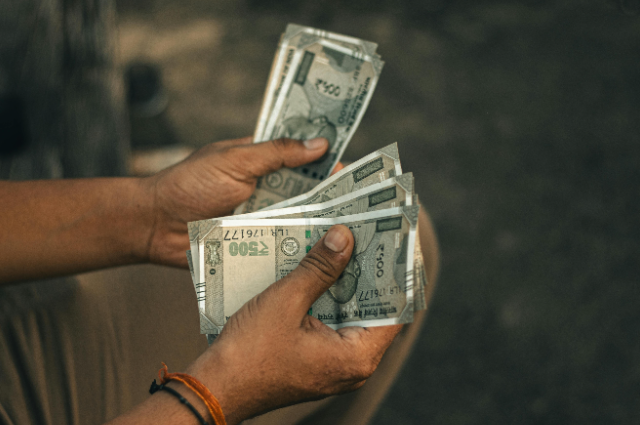
India’s growth looks impressive on paper. Digital business is surging, roads and airports are going up fast, big foreign brands are setting up shop, and you hear a lot about India becoming a force in the global market. But even with all that momentum, the Indian Rupee spent 2026 sinking to new lows—hitting around ₹95.8 against the US dollar. That’s stirred up a big debate: with the economy booming, shouldn’t the Rupee be getting stronger, not weaker?
Turns out, it’s not that simple. Just because a country’s economy is growing doesn’t mean its currency will gain value. With currencies, everything matters—trade balances, inflation, global investor moods, geopolitics, and the overall market. For India, a bunch of economic pressures has piled up all at once, and that’s why the Rupee keeps feeling the weight.
Oil Imports: India’s Biggest Weakness
Take oil—the single biggest thorn in India’s side when it comes to currency. India relies heavily on imported crude. Whenever global oil prices spike (all the buying and selling is done in dollars), India has to hunt for more dollars just to pay the bill. This drags down the Rupee. In 2026, tensions in West Asia sent oil prices soaring, so India’s import bill went through the roof. The country had to dig into its dollar reserves, and folks started paying more for petrol and diesel.
Everything costs more when oil goes up: driving, shipping goods, electricity generation, and even the basics on your grocery list. Airlines pay more for fuel, transport companies raise prices, and businesses pass those extra costs onto consumers. So an oil price jump isn’t just bad for the Rupee—it hits people square in the wallet and increases inflation across the economy.
Foreign Investors Are Pulling Out
Another headache: foreign investors are pulling out. In 2026, they yanked almost $18.5 billion from Indian markets. When they do that, they convert Rupees to dollars before leaving, which heats demand for the dollar and pushes the Rupee down even further. Right now, a lot of investors are looking at the US as a safer bet since interest rates there are high, and returns look decent for lower risk. They’re ditching places like India and moving their money toward the US.
So just growing the economy isn’t enough to keep investors happy. Before putting their capital in, they weigh everything—politics, currency stability, inflation, government policy, and global risks. If investors feel uncertain about the future, they quickly move money elsewhere.
India’s Current Account Deficit Problem
Then there’s India’s stubborn current account deficit. For years, India has imported way more than it exported, which means more dollars are leaving than coming in. Even though India does well exporting stuff like software, pharma, and engineering goods, it can’t make up for all the crude oil, electronics, machinery, and gold it brings in.
And the funny thing is, as the economy gets bigger and people have more money, they start buying more foreign goods—so economic growth actually boosts imports, putting more stress on the Rupee. A growing middle class means rising demand for smartphones, luxury products, vehicles, and foreign brands, many of which depend heavily on imports.
The Rising Strength of the US Dollar
A strong US dollar hasn’t helped either. The Federal Reserve kept interest rates high in 2026, drawing investors to the American market with better returns and lower risks. With the dollar flexing its muscles, currencies across emerging markets took a hit—India’s Rupee fared worse than most of its Asian peers.
Since oil and a lot of global trading are priced in dollars, and everyone wants dollars when things get shaky, India’s currency keeps struggling. The stronger the dollar gets, the more expensive imports become for countries like India. That creates additional pressure on businesses and consumers already dealing with inflation.
Geopolitical Tensions and Global Instability
And let’s not ignore geopolitics. Ever since the conflict in West Asia broke out, oil got even pricier, trade got dicey, and investors started getting nervous. The rupee has dropped about 5% since the crisis began. When instability ramps up, investors tend to dump emerging markets and park their money in safe havens like US dollars or gold.
Even though India isn’t directly in the middle of these conflicts, today’s world is so interconnected that whatever happens abroad spills over into India’s economy and currency.
Wars, sanctions, and disruptions in shipping routes can all affect global trade and investor confidence within days.
Structural Weaknesses in India’s Financial System
On top of all that, India’s financial system has its own weaknesses. Economists often point out that Indian markets aren’t as resilient as those in richer countries. There are tight regulations, quirks with currency trading, and messy practices with offshore-onshore trades. All this can make the Rupee more jumpy.
India leans hard on exporting IT and services, but strong manufacturing exports would probably anchor the currency better. Countries like China and Vietnam have built up their factories, which have helped their currencies. India’s “Make in India” push is underway, but it’s still climbing uphill when it comes to matching those export heavyweights.
India also needs stronger industrial growth, better logistics, and more globally competitive manufacturing if it wants to reduce dependence on imports and strengthen long-term currency stability.
RBI’s Difficult Balancing Act
Now, the RBI—the Reserve Bank of India—has to walk a tightrope. While they say market forces should mostly set the Rupee’s value, they’ve stepped in to slow down its slide when things got bad. But it’s tricky: if they intervene too much, they burn through valuable foreign reserves. If they don’t, inflation could spike and scare investors.
Managing a currency in a shaky global landscape is tough. Central banks have to juggle growth, inflation, confidence, and reserve security—all at once. The RBI also has to ensure that the banking system stays stable while preventing panic in financial markets.
Why Growth Alone Cannot Save the Rupee
So here’s the punchline: Rapid growth doesn’t guarantee a stronger Rupee. India’s tech scene is thriving. Infrastructure keeps getting better. More global companies are seeing India as a partner. Still, a strong economy alone can’t shield the currency. It’s tangled up with trade deficits, global interest rate shifts, investor sentiment, tensions overseas, and dependence on imports.
The Rupee’s struggles in 2026 show that GDP growth isn’t some magic shield. If India wants a stronger Rupee, it has to cut oil dependence, ramp up exports, strengthen manufacturing, and shore up its financial markets. Until then, whenever the world gets jumpy, the Rupee probably will too.
It’s not just a passing problem—a weak Rupee exposes deep cracks in India’s economic foundation. Those won’t get fixed just by growing the economy fast. Long-term currency strength will require structural reforms, reduced import dependence, stable investment flows, and stronger domestic production
References
- Reuters https://www.reuters.com
- The Economic Times https://economictimes.indiatimes.com
- Times of India https://timesofindia.indiatimes.com