
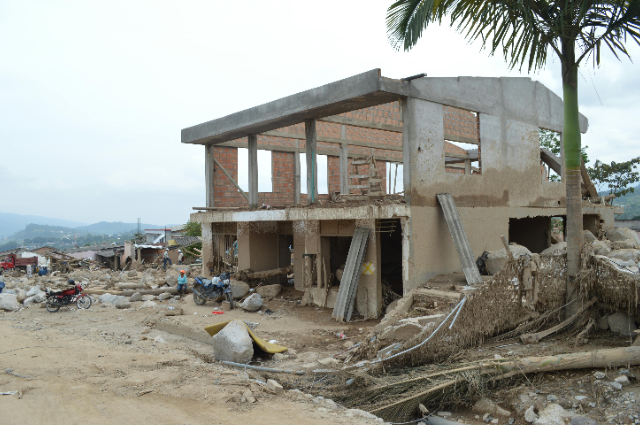
Wars are often measured in territory gained or lost, in battles won, and in political outcomes. Yet in Gaza today, the measure has shifted toward something far more difficult to quantify: the erosion of everyday life itself. What remains is a landscape defined less by military frontlines and more by recurring cycles of destruction, displacement, and survival.
Since the escalation that followed the October 7, 2023, attacks, Gaza has experienced sustained military operations and repeated waves of airstrikes and ground activity. International reporting, including coverage from Reuters, has described periods in which targeted operations have resulted in the killing of senior figures within Hamas, including military commanders alleged to have been involved in planning or facilitating the initial attacks. These developments are often framed by Israeli authorities as necessary steps toward dismantling militant infrastructure, while Hamas and various observers emphasise the broader human cost that accompanies such strikes in densely populated urban areas.
Yet beyond these political and military narratives lies a far more complex reality on the ground.
Entire neighbourhoods in Gaza have been heavily damaged or rendered uninhabitable. Residential buildings, markets, and public infrastructure have repeatedly been affected by strikes, forcing large segments of the population into repeated displacement. In many cases, families have been relocated multiple times within the span of months, as areas previously designated as safe zones became affected by renewed fighting.
One of the most persistent features of this conflict is its humanitarian dimension. According to UNICEF, children remain among the most vulnerable groups, with thousands reported killed or injured since the beginning of the war. Beyond immediate casualties, the organisation has highlighted long-term consequences such as psychological trauma, loss of education, and increasing cases of disability due to inadequate medical care and delayed treatment. Hospitals, many of which operate under extreme strain, face shortages of essential supplies, including anaesthetics, antibiotics, and surgical equipment.
The World Health Organisation has repeatedly described the health situation in Gaza as a prolonged emergency. Medical facilities often operate beyond capacity, with healthcare workers forced to make critical decisions under conditions of scarcity and damage to infrastructure. In some cases, hospitals have had to rely on limited fuel supplies to maintain life-saving equipment, while surgical procedures are conducted under emergency conditions that fall far below standard medical requirements.
A notable case often highlighted in humanitarian reporting is the strain placed on Gaza’s largest hospitals during peak periods of escalation. Facilities have reported overwhelming numbers of casualties arriving within short timeframes, forcing triage systems that prioritise the most critical cases while others wait without adequate care. This has contributed to preventable deaths and long-term complications for many injured civilians.
The United Nations Office for the Coordination of Humanitarian Affairs (OCHA) has emphasised that humanitarian access remains inconsistent, even during temporary pauses in fighting.
Restrictions on the entry of food, clean water, and medical supplies have contributed to widespread shortages, affecting nearly every aspect of civilian life. Water systems and sanitation infrastructure have also been significantly impacted, increasing the risk of disease outbreaks in densely populated shelters.
Human rights organisations, including Human Rights Watch and Amnesty International, have raised concerns about the conduct of hostilities in populated areas and the proportionality of force used.
Their reports focus on the broader implications of urban warfare in Gaza, where distinguishing between military and civilian spaces becomes increasingly difficult due to population density and infrastructure overlap.
At the political level, Israel maintains that its military objectives centre on preventing future attacks and dismantling armed networks capable of carrying out cross-border operations. On the other hand, Palestinian authorities and humanitarian organisations argue that the scale of destruction has produced a crisis that extends far beyond immediate military aims, affecting generations of civilians.
Ultimately, the question of “victory” in Gaza remains deeply contested. While military actors may define success in terms of operational achievements or strategic degradation of opposing forces, for civilians, the definition is far more fundamental: the ability to survive, rebuild, and regain access to basic human needs such as safety, shelter, and healthcare.
What distinguishes the Gaza conflict from conventional wars is not only its duration or intensity, but the degree to which civilian life has become inseparable from the battlefield itself. In this context, the line between combatant and civilian impact becomes increasingly blurred, raising difficult ethical and humanitarian questions for the international community.
As the conflict continues, Gaza stands as a stark reminder that modern warfare in densely populated regions does not remain confined to military targets. Instead, it expands outward, shaping the daily reality of entire populations. And in that reality, the most enduring consequence may not be measured in territorial changes or political outcomes, but in the long and uncertain process of rebuilding human lives.
References:
- https://www.reuters.com
- https://www.unicef.org
- https://www.who.int
- https://www.ochaopt.org
- https://www.hrw.org
- https://www.amnesty.org