
The sexual assault case reported from Gujarat’s Morbi district earlier this year shocked many people across India, not only because of the brutality of the crime but because of what it revealed about the lives of migrant families living in industrial towns. According to police reports, a woman and her 13-year-old daughter were allegedly sexually assaulted by their landlord and one of his relatives after the family failed to pay rent worth only Rs 2,000. At first glance, the story appears to be a horrifying but isolated criminal incident. Yet the deeper reality is far more uncomfortable. The case reflects a wider system of economic vulnerability, unsafe housing, weak labour protections, and gender-based exploitation affecting thousands of migrant women across India’s industrial regions.
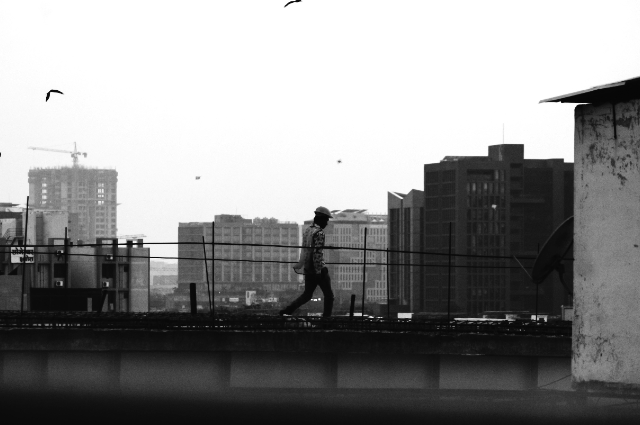
Morbi, known for its ceramic factories and rapidly growing manufacturing sector, attracts migrant labourers from poorer states who arrive searching for stable income and better opportunities. Many workers live in overcrowded rented rooms with little legal protection and almost no social support systems. The details emerging from the Morbi case underline how quickly financial desperation can turn into exploitation. Reports suggest the family’s financial condition deteriorated after the husband’s small business suffered losses, causing rent payments to accumulate. What makes the case especially disturbing is that the alleged abuse reportedly occurred repeatedly and in multiple locations.
Human rights groups and labour researchers have long warned that migrant women face heightened risks in industrial towns where economic dependence combines with poor housing conditions and weak institutional oversight. According to the International Labour Organisation (ILO), millions of internal migrant workers in India continue to operate in informal sectors without proper labour contracts, housing security, or access to social welfare protections. In such environments, women and children often become the most vulnerable.
Morbi itself represents a larger pattern visible across several industrial centres in Gujarat. Over the last two decades, the district became one of India’s largest ceramic manufacturing hubs, producing tiles and sanitary products exported internationally. The rapid industrial expansion created employment opportunities but also increased pressure on housing and labour systems. Industrial growth moved rapidly, but social infrastructure and worker protection systems failed to keep pace.
What happened in this case also raises difficult questions about masculinity, economic humiliation, and desperation among poor families. Reports indicate that the husband was arrested earlier and is currently in jail. Public reaction toward him has been especially harsh because of allegations that he failed to protect his wife and daughter. While poverty creates immense pressure, the case has sparked widespread debate about moral responsibility and betrayal within families.
India has seen similar patterns before. During the COVID-19 lockdowns, millions of migrant labourers lost jobs almost overnight, exposing how fragile their economic conditions already were. Several studies published after the pandemic found that migrant women experienced increased risks of domestic violence, sexual exploitation, and housing insecurity during periods of financial crisis. Financial collapse often pushes vulnerable families deeper into unsafe living conditions where exploitation becomes easier.
The involvement of a 13-year-old child intensified public outrage. Under India’s Protection of Children from Sexual Offences (POCSO) Act, crimes involving minors receive special legal treatment, including stricter sentencing and child-sensitive court procedures. The application of the POCSO Act in this case highlights the seriousness of the allegations and the need for stronger child protection mechanisms in vulnerable communities.
Another issue receiving attention after the case is the lack of safe housing policies for migrant workers. In many industrial towns, workers depend entirely on private landlords because affordable public housing remains limited. This creates unequal power relationships where tenants may tolerate abuse, threats, or intimidation simply to avoid homelessness. Women living in such conditions often have very little access to legal support or emergency protection systems.
Reports from organisations such as Human Rights Watch have repeatedly highlighted how internal migrants in India often fall outside effective legal protections. Although labour laws formally exist, enforcement remains inconsistent, especially in informal industries where workers lack formal contracts and documentation. Migrant families frequently struggle to access welfare schemes, healthcare, education, and housing rights despite contributing significantly to industrial economies.
The Morbi case triggered widespread anger online, partly because the amount involved was so small. Many people questioned how the unpaid rent of Rs 2,000 could escalate into such horrific violence. However, activists argue that this reaction misses a larger reality. For families living at the edge of survival, even small debts can become life-altering crises capable of exposing them to severe exploitation and abuse.
The incident also exposed the silence surrounding sexual violence against migrant women in India’s industrial economy. Crimes involving wealthy urban communities often receive national attention, but abuses affecting migrant labourers frequently remain invisible unless the circumstances become exceptionally shocking. Countless women working in industrial belts continue to face harassment, unsafe housing conditions, and exploitation without receiving media visibility or institutional support.
There are signs that public awareness around migrant exploitation is slowly increasing. Civil society groups, labour unions, and women’s organisations have called for stronger monitoring of worker housing, faster legal support for victims, and improved protections for migrant families. Activists have also demanded better labour inspections, affordable housing schemes, and more accessible complaint systems for vulnerable workers.
Ultimately, the Morbi case is not just about one landlord or one family. It reflects a deeper failure within rapidly expanding industrial towns where economic growth often moves faster than social protection systems. As India continues building industrial economies dependent on migrant labour, questions about dignity, safety, housing, and protection for vulnerable families can no longer remain secondary concerns.
References:
- The Indian Express https://indianexpress.com
- NDTV https://www.ndtv.com
- The Hindu https://www.thehindu.comThe
- Times of India https://timesofindia.indiatimes.com
- Hindustan Times https://www.hindustantimes.com
- Indian Kanoon – POCSO Act https://indiankanoon.org
- Human Rights Watch – India migrant labour issues https://www.hrw.org
- International Labour Organisation (ILO) https://www.ilo.org