
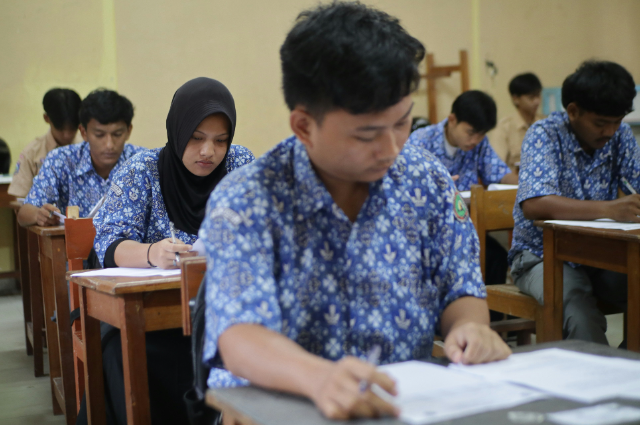
The NEET-UG 2026 paper leak triggered nationwide outrage and one of the largest student-led protest movements in recent years. Less than three months later, Union Education Minister Dharmendra Pradhan resigned on July 25, 2026, following weeks of protests over the paper leak and CBSE marking irregularities. His resignation was significant because Education Ministers rarely step down in response to sustained public pressure. While the resignation brought an end to weeks of political uncertainty, it also signalled the beginning of a new phase of examination reforms and raised an important question: what happens to NEET now? Will these developments restore students' confidence in the examination system, or will the concerns that triggered the protests continue to shape its future?
The controversy began on May 3, 2026, when over 22 lakh candidates appeared for the NEET-UG examination, making it the largest medical entrance exam in India. Shortly after the exam, a Rajasthan-based tutor, Shashikant Suthar, compared a viral guess-paper PDF with the actual exam and found exact matches, particularly in the chemistry section. Suthar reported these findings to the National Testing Agency (NTA), the Central Bureau of Investigation (CBI), and the Education Ministry, which triggered an internal verification process. This investigation later confirmed a substantial overlap between the leaked PDF and the original paper. On May 12, the NTA cancelled the exam for the first time since 2019. The government handed the probe to the CBI, which on May 22 arrested a school headmistress from Pune who was a former NTA subject expert. She was accused of reconstructing questions from memory, sharing them, and attempting to destroy evidence. A nationwide re-examination was conducted on June 21 for more than 22 lakh affected candidates. The cancellation and the re-examination caused widespread distress and uncertainty among aspirants and their families. The controversy also intensified concerns after protesters and families alleged that around 20 students died by suicide during the period following the exam’s cancellation. Growing frustration over the handling of the crisis eventually paved the way for a nationwide protest movement.
What began as online frustration soon transformed into a nationwide movement led by students demanding accountability and reform in recent years. The “Cockroach Janata Party” (CJP) was a satirical social media campaign that emerged following the remarks made by Justice Surya Kant in the Supreme Court regarding unemployed youth. By late May, student organisers like Abhijeet Dipke turned this satire into a coordinated movement demanding accountability, reforms, and the resignation of the Education Minister Dharmendra Pradhan. By Early June, the first major CJP protest at the Jantar Mantar in Delhi had eventually drawn in aspirants from various other competitive exams as well. Activist Sonam Wangchuk joined the movement with a 26-day hunger strike to support students and push for systemic reform, which brought national attention to the protest. On July 18, authorities shifted him to a hospital, sparking further outrage among supporters. In late June, senior union Ministers met with the CJP spokesperson, but the discussion ended without a resolution as students continued to demand Pradhan’s resignation. With no breakthrough in sight, the movement gathered even more momentum. On July 20, thousands of protesters attempted the “Sansad Chalo” march towards the Parliament. The protesters on the march were met with tear gas and baton charges by the police, which led to the dismantling of the Jantar Mantar camps on July 21. Even after the dismantling and authorities restricting the CJP's social media channels, the protest camps were rebuilt within hours, and the protests continued to grow.
While the initial demands focused on the Education Minister’s resignation, following the police crackdown and the treatment of Sonam Wangchuk, CJP leadership also called for the resignation of the Prime Minister. As political attention around the protests grew, Congress leader Rahul Gandhi and several opposition MPs staged a demonstration outside the Prime Minister's residence after being prevented from raising the issue in Parliament. Meanwhile, student groups continued to demand a transparent investigation, accountability for officials, and stronger safeguards against future paper leaks. Responding to the growing pressure, Prime Minister Narendra Modi announced a series of reforms through a late-night video address. These included the establishment of fast-track courts for paper leak cases, proposed stricter anti-paper leak legislation, and strict action against negligent officials. Despite the announcement and the end of Wangchuk’s hunger strike, protesters rejected the measures, maintaining that ministerial accountability was mandatory. On July 25, Dharmendra Pradhan resigned as Union Education Minister. In his resignation letter, he stated that the interest of students and the nation must come first, aiming to ensure students’ futures do not get caught in prolonged political and legal battles. Pradhan maintained that he took full responsibility from day one and never turned away from the situation. He resigned to preserve national unity and prevent the youth from getting trapped in a web of confusion and legal complexities. Although the resignation addressed one of the protesters’ central demands, it did not bring the movement to an immediate end.
The government's response did not stop with the resignation. Pralhad Joshi was given additional charge as the Union Education Minister, while the CJP officially withdrew its protests after meeting with Union Ministers Jitendra Singh and J.P. Nadda, who assured them that their demands would be addressed. However, the government's response extended beyond the resignation itself. On July 27, 2026, the government introduced a bill in Parliament to amend the Public Examinations Act (originally enacted in 2024), proposing stricter punishments for individuals, organisations, and examination authorities involved in paper leaks and examination malpractice. The proposed amendments included longer prison terms, higher financial penalties, and tougher sanctions against organisations found guilty of such offences. Alongside these legal reforms, Prime Minister Narendra Modi announced a high-powered examination reforms panel headed by Nandan Nilekani, the co-founder of Infosys and the architect of Aadhaar. The panel will recommend technology-driven measures to strengthen the credibility and security of national examinations. The government also announced special courts for paper leak cases and continued work on implementing recommendations made by an earlier examination reforms panel, including a gradual shift to computer-based testing (CBT) and examinations conducted in multiple shifts. Whether these reforms will be enough to restore students' confidence in the examination system remains to be seen, but they represent the government's first major steps towards addressing the concerns raised by the NEET-UG 2026 controversy.
Dharmendra Pradhan's resignation may have marked the end of one phase of the NEET-UG 2026 controversy, but it also marked the beginning of a much larger responsibility. The protests were never just about the resignation of a minister. At their core, they reflected students' demand for a fair, transparent, and trustworthy examination system. While the government has announced several reforms and promised stricter measures against paper leaks, the true impact of these changes will only become clear with time. While the resignation marked an important turning point, the real measure of success will be whether these reforms are able to restore students’ confidence in the examination system and prevent similar controversies in the future.
References
- Times of India https://timesofindia.indiatimes.com
- India Today https://www.indiatoday.in
- Frontline https://frontline.thehindu.com
- BBC News https://www.bbc.com
- Brut India https://www.brut.media
- Reuters https://www.reuters.com