
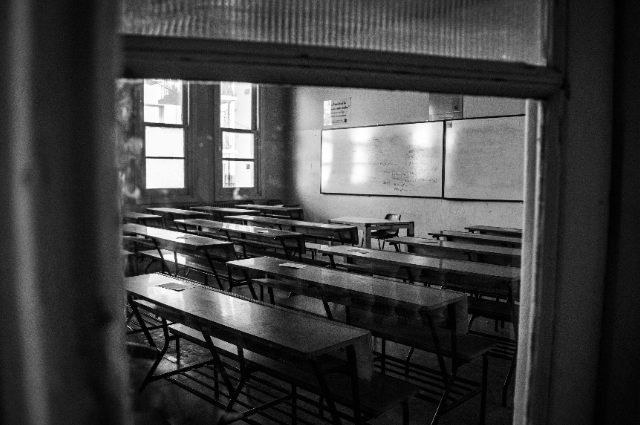
Any aspirant’s goal is to clear an entrance exam, to secure a good rank and to study at a reputed college. To achieve that, they get isolated from the outside world; they do not attend social gatherings; they miss family time to study, prepare notes, attend online classes, undergo offline coaching, take mock tests and re-attempt. Their sacrifices result in anxiety, self-doubt, family and societal pressure, fear, and mental exhaustion. After endless preparation, if the exam goes well, students expect their hard work to finally pay off. However, a paper leak can make all their efforts go in vain, shattering their dreams and struggles.
NEET-UG 2026, which was initially held on May 3, 2026, was cancelled due to an alleged paper leak. The scam reportedly began in Rajasthan. Almost 120–150 similar questions from the NEET question paper were circulated before the exam in certain WhatsApp and Telegram groups. When the students protested against NTA’s administrative lapse, the authorities announced a re-examination and assured a proper investigation. The Supreme Court became involved, and the case was handed over to the CBI. Already, some coaching centre owners and former paper setters for the NTA NEET exam have been arrested and taken into custody for further investigation. Ongoing government failures, such as the NEET question paper leak, have thrown the careers of students into limbo. By simply offering a re-examination as a solution, the government has left over 22 lakh aspirants facing immense mental exhaustion and academic uncertainty.
Preparing for India’s most prestigious entrance exam demands students months or years of relentless effort. To crack the exam, students choose various avenues, including offline coaching, private tuition, and online courses; fees range from ₹20,000 to over ₹2 lakh. The expenses are too much for students coming from economically weaker sections. But to fulfil their dream, they manage to cover the fee by sacrificing their savings, securing educational loans, and so on. For students requiring multiple attempts, these financial costs compound, making it increasingly difficult for families to sustain support. Consequently, this financial strain creates emotional pressure as students struggle to face judgement from family, friends and society. Whenever a scandal occurs, the authorities simply cancel the exam and offer a re-examination as a solution. Consequently, students are forced to prepare all over again, revising the entire syllabus and taking mock tests while dealing with a deeply disrupted state of mind. Constant government failures and administrative lapses, coupled with a complete lack of accountability, betray students by leaving them in a state of deep frustration, broken trust and mental exhaustion. Ultimately, this creates a pervasive fear that merit no longer matters.
The fallout from the paper leak scam has reportedly driven some desperate students to take their own lives. According to media reports, some student suicides were reported amid the uncertainty and distress caused by the NEET paper leak controversy and subsequent re-examination. This situation sparked a massive protest at Jantar Mantar, New Delhi, on June 6, 2026. Spearheaded by the Cockroach Janata Party (CJP)—an online movement that has transitioned into street activism—the demonstration served as a voice for Gen-Z youth. The protesters demanded justice, accountability for the government’s administrative failures and the immediate resignation of Education Minister Dharmendra Pradhan.
This is not the first time that the NEET paper leak controversy has surfaced. Since 2015, this controversy has surfaced repeatedly. Each time, the same cycle unfolds: leaking papers, cancelling exams, staging protests, ordering re-examinations, launching investigations and making arrests. When will the government and the administration finally take strict measures against the culprits to eradicate loopholes plaguing our educational and examination systems? The repetitive failures have left the students with an emotional burden and shattered their trust in the examination system, the testing agencies and the government. National-level exams are renowned for having the toughest question papers, high security and strict rules. Although the system intends to select candidates strictly on merit, chronic lapses in confidentiality continue to compromise equal, merit-based opportunities for students.
The ongoing crisis has led to widespread demonstrations, with NEET students protesting for accountability, transparency and systemic reforms. To protect the integrity of national examinations, much-needed reforms must centre on upgrading digital security to prevent future scams. Independent audits must be implemented to ensure that test-conducting agencies comply with government regulations. Fast-tracked investigations against the accused must be paired with timely judicial convictions to restore public trust. Moreover, officials need to prioritise transparent communication with the students and parents who have been unfairly affected by these controversies. Enforcing strict accountability for officials will effectively prevent internal violations within the examination system. Authorities must focus on student grievances by tracking and resolving the complaints regarding institutional mismanagement to prevent further escalations.
A cancelled examination is not merely a postponed event. For countless students, it represents lost momentum, shattered confidence, and uncertainty about the future. The protests at Jantar Mantar are ultimately about more than one exam or one minister—they reflect a generation demanding that its hard work be protected and its dreams treated with the seriousness they deserve.
REFERENCES:
- The Hindu https://www.thehindu.com
- SSC Online https://www.scconline.com
- Al Jazeera https://www.aljazeera.com