

Educational institutions are often described as spaces meant for learning, personal growth, and safety. Students enter colleges expecting respect, support, and equal opportunities regardless of gender. However, for many women, the reality inside classrooms and campuses feels far more complicated. What often begins as “small incidents” of inappropriate behaviour gradually turns into repeated discomfort, emotional exhaustion, and silent fear that institutions often fail to address seriously.
One of the most dangerous aspects of harassment in educational spaces is how easily it becomes normalised. Invasive jokes, inappropriate comments, repeated staring, unwanted photographs, casual touching, or deliberate attempts to cross personal boundaries are often dismissed as “immature behaviour” rather than recognised as serious violations. Many students are expected to tolerate discomfort quietly to avoid creating conflict or attracting public attention.
In several real-life situations, the focus eventually shifts away from the inappropriate behaviour itself and toward the reaction of the victim. When women remain silent, their discomfort is ignored. When they finally react emotionally or aggressively after repeated violations, they are often labelled as “overreactive,” “aggressive,” or “difficult.” Very few people stop to question what led them to that emotional breaking point in the first place.
This reflects a much larger issue within institutional culture. Harassment is rarely viewed as a continuous emotional experience. Instead, incidents are treated as isolated misunderstandings unless visible physical harm occurs. As a result, many students are forced to protect themselves emotionally while continuing to study in the same environment as the individuals who made them feel unsafe.
According to several awareness campaigns and mental health discussions surrounding campus safety, repeated boundary violations can significantly affect a student’s psychological well-being. Fear, anxiety, emotional withdrawal, hypervigilance, sleep disturbances, and social isolation are common responses experienced by individuals exposed to unsafe environments over long periods of time. Many students continue attending classes while silently carrying emotional stress that remains invisible to others around them.
Another troubling issue is the culture of silence maintained by peers. In many situations, students witness inappropriate behaviour but choose not to intervene. Sometimes they fear becoming involved in conflict. Sometimes they underestimate the seriousness of what they are seeing. In other cases, they simply do not want to disturb existing social circles. However, silence often affects victims more deeply than the incident itself. The absence of support creates feelings of emotional abandonment and isolation.
For many female students, emotional safety becomes something they must constantly think about throughout everyday college life. They become cautious about who they trust, how they behave, what they wear, where they sit, and even how strongly they react when boundaries are crossed. This constant state of alertness slowly becomes emotionally exhausting.
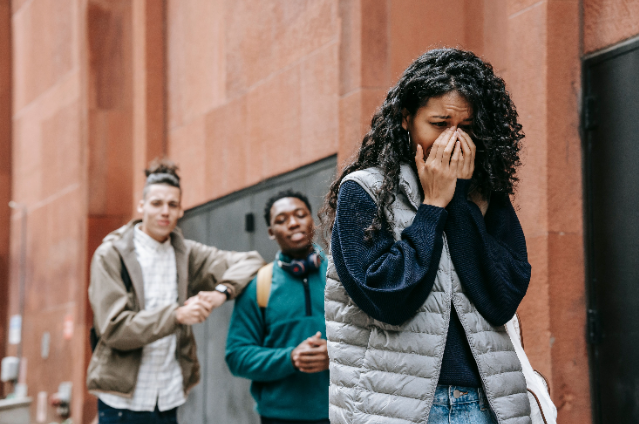
Social perception also plays a major role in discouraging women from speaking openly about harassment. Female students who defend themselves strongly are often judged more harshly than the individuals responsible for creating the discomfort. Anger shown by women is frequently viewed as aggression rather than self-protection. This societal response discourages many individuals from reporting incidents formally, allowing harmful behaviour to continue without accountability.
Research surrounding trauma and emotional safety suggests that repeated experiences of discomfort or boundary violations can affect how individuals experience trust, relationships, and social environments in the future. Even when incidents appear “minor” to outsiders, the emotional accumulation of repeated disrespect can create long-term psychological stress.
Modern conversations about women’s safety increasingly emphasise the importance of emotional safety alongside physical safety. Feeling unsafe does not always begin with extreme incidents. Sometimes it develops gradually through repeated humiliation, invasive behaviour, gossip culture, disrespect for privacy, and the pressure to remain silent in order to maintain social peace within classrooms and campuses.
In many educational institutions, complaints involving harassment are not always handled with the seriousness they deserve. Students may fear being judged, ignored, blamed, or socially isolated if they speak openly. In some cases, victims remain silent simply because they believe nobody will truly support them. This silence allows problematic behaviour to continue unchallenged.
Another important issue is how emotional distress among students is often overlooked unless it becomes visibly disruptive. Anxiety, emotional exhaustion, panic, fear, and hyperawareness rarely appear dramatic from the outside. Students continue attending lectures, completing assignments, and participating socially while privately struggling with emotional stress that slowly affects their mental well-being.
The rise of social media and digital communication has further complicated emotional safety for young women. Rumours, screenshots, invasive discussions, and the rapid spread of private information can intensify emotional pressure significantly. Personal boundaries become harder to maintain in environments where privacy is treated casually and emotional vulnerability is often mocked for entertainment.
Educational institutions have a responsibility not only to punish severe misconduct but also to address smaller patterns of harmful behaviour before they escalate. Awareness programs, stricter responses to complaints, emotional support systems, and active bystander intervention can help create safer campus environments. More importantly, students must be taught that respecting personal boundaries is not optional but a fundamental part of human dignity and mutual respect.

Many women enter college hoping to build confidence, friendships, independence, and a better future for themselves. They should not have to spend those years constantly worrying about their safety, questioning whether their discomfort is “serious enough,” or fearing social backlash simply for defending themselves.
Harassment does not suddenly become harmful only when someone finally reacts emotionally. By that point, emotional damage has often been building silently for a very long time. The fear, exhaustion, and emotional isolation experienced by many students deserve to be acknowledged long before they reach a breaking point.
Creating safer educational environments requires more than policies written on paper. It requires empathy, accountability, awareness, and a willingness to listen seriously when someone says they feel uncomfortable or unsafe. Real change begins when institutions stop viewing harassment as isolated incidents and start recognising the emotional reality many students silently live with every day.