
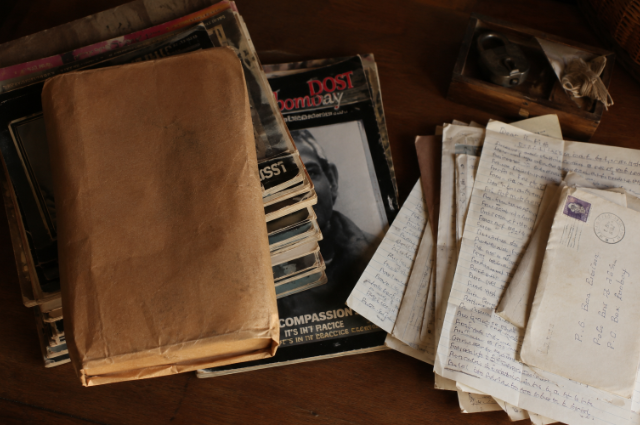
In the monsoon-drenched lanes of 1990s Mumbai, a quiet revolution was being packaged in plain brown paper. Long before pride parades painted the streets of India, decades before the Supreme Court finally struck down the colonial-era Section 377, a small group of brave souls decided that silence was no longer an option. They started Bombay Dost, India's first registered LGBTQ+ magazine.
To the casual observer scanning a newsstand, it seemed to be an unremarkable package. But for hundreds of thousands of gay, bisexual and transgender people isolated in the South Asian subcontinent, it was nothing less than a lifeline.
When loving someone of the same gender could get you imprisoned, Bombay Dost did something radical. It spoke directly to a community that society pretended did not exist, teaching them not just how to navigate a hostile world, but how to survive it.
The Birth of a Printed Sanctuary
It was 1990. Homosexuality was a social taboo and a criminal offence under the Indian Penal Code. Section 377 cast a long shadow, exposing queer individuals to police extortion, social rejection and profound psychological isolation.
In this repressive climate, journalist and activist Ashok Row Kavi and co-founders Suhail Abbasi and filmmaker Sridhar Rangayan knew the community needed a voice badly. They needed a place where they could see their own realities reflected back at them without shame.
Starting the magazine was a huge gamble. Printers were scared of being prosecuted under obscenity laws or abetment charges, and so the founders had to go through a maze of rejections. Now that the first issue was finally out in print, distribution was the next hurdle. Shopkeepers did not want to put it on open display, hence the famous brown-paper wrapping. Bought in whispers and smuggled into private bedrooms, Bombay Dost quickly became a sacred text for a closet population.
Khush Khat: A Mailbox Bridging a Subcontinent
Midnight thoughts scribbled on loose sheets began arriving without warning. A small P.O. box in Mumbai started filling fast, then faster. Letters slipped through with stories folded inside - joyful ones, shaky ones, words pressed close like secrets. That inbox, tied to a little magazine named Bombay Dost, turned into something else entirely. One section, called Khush Khat, gave space only to handwritten notes from readers. Soon, paper trails stretched across India, each envelope marked by hope or loneliness. From those pages emerged Humsafar Trust - a group shaped not by plans but by pleas.
Week after week, hundreds came, later thousands; three thousand letters once landed within seven days alone. Some letters came off as simple notes. Yet beneath the surface lay unfiltered truths, pages filled with shaky handwriting from people trapped in straight marriages, kids on edge about ending their lives, others isolated in quiet towns thinking no one else knew this pain. Though far apart, each reply was shaped carefully by editors who listened closely, gave space, acknowledged fear. Messages poured into Khush Khat from beyond India’s edges – Pakistan, Nepal, Bangladesh, spots deep in Central Asia – each envelope proof that longing for belonging cuts across maps, touches every kind of life.
A Survival Guide for the Age of Shadows
Back then, just feeling seen meant something. During the 1990s, fear around HIV/AIDS spread faster than facts. While official systems looked away, especially at gay lives, one magazine stayed open-eyed. Instead of complex terms, it offered clear words - how to stay safe, where to get tested without shame. Because silence could kill, it spoke plainly. Not every hero wore a cape; some came folded like pages on a newsstand.
That publication doubled as protection under the law. Inside, explanations of Section 377 appeared often, helping people understand their rights. When facing dishonest cops, it offered clear steps - same for dealing with threats from blackmailers, plus ways to stay alert in shared outdoor spots. Stripping away confusion around legal terms and health facts, it turned fear into awareness. A group once isolated now found strength through knowledge.
From Bollywood to Home Screens
Survival sat at the heart of what Bombay Dost aimed to do, yet fun never went missing. Because staying alive meant more than just existing - it required tapping into India’s loud love for film and flair. Hard words on rights shared space with chatty takes on movie stars, outfits, new hits, who said what. As time passed, actors such as Akshay Kumar showed up between covers; others followed, including Manoj Bajpayee and then Kalki Koechlin, their voices joining in, making the fight feel real.
Still, blending mainstream culture with bold LGBTQ perspectives carried risks. That joke about a male star’s hidden sexuality? It appeared in a 1995 movie critique inside a magazine. Readers took it as mocking traditional manhood. Anger built fast. One day, several upset men arrived at Ashok Row Kavi’s door. Shouting turned into shoving. Words became fists. Peace on paper meant little when rage knocked in person. Print could speak freely - until bodies showed up to silence it.
The Quiet Strength of India's LGBTQ Pioneers
Back in 2002, keeping an indie zine alive - no big sponsors, just raw effort - finally wore down the team, so Bombay Dost paused. Still, something was already in motion. Out of that circle came The Humsafar Trust, slowly building strength, then rising as a leading voice for LGBTQ+ care and rights across India.
Back then, 2009 humming with courtroom energy, Bombay Dost reappeared - this time loud, unshielded. Not tucked in brown wraps anymore. Pages now shone slick under light, splashed bold like protest art. Pride wore bright colours that year. The city saw it plainly.
Back then, when few dared speak up, Bombay Dost arrived like a quiet storm. Not merely paper, but something bolder - presence made real. To many across South Asia who’d hidden their truth, it whispered: you are whole. Loneliness cracked open, just slightly, seeing those words. Proof didn’t come later. It came printed, folded, passed hand to hand. Worth wasn’t argued. It was shown.
References
- Homegrown world- https://homegrown.co.in
- The Indian Express- https://indianexpress.com
- Verve- https://www.vervemagazine.in