
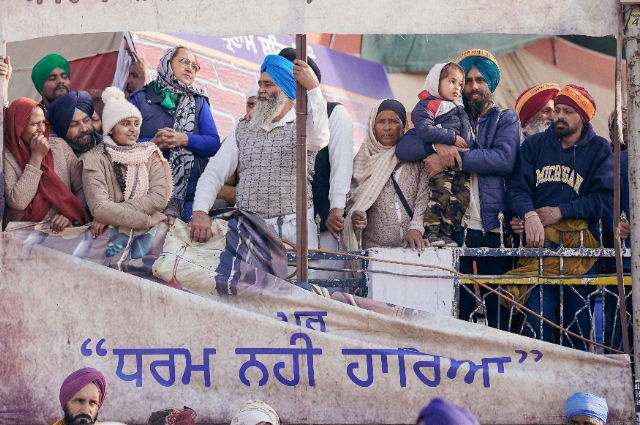
The protests for the rights of students have been growing stronger each day, with discussions regarding the rights of the people and the so-called democracy the nation claims to be despite the cries of the people for the right to their voice.
Many have taken this opportunity to discuss the issues facing India as a whole and what the future holds for our people, a type of catalyst for other issues to be considered in how the country has been managed.
A few days after the Delhi Jantar Mantar protests occurred, thousands of farmers from different parts of the country had come together in Delhi in protest of the Indian-US trade deal, which could threaten the lives of farmers all around the nation, going by the name ‘Desh Bachao Morcha’. Delhi could never have predicted the two for one of the years.
The Farmers March
On the 21st of July, many farmers from Punjab, Haryana and many other states had all come together in Delhi, which started a major Kisan Mahapanchayat against the above-mentioned India-US trade. Instead of the tractors that farmers would usually come in for these kinds of marches, they instead arrived in buses and private vehicles for their travel to Delhi.
Many groups of farmers left as early as 5 am and earlier, and the streets were put to a halt by traffic due to the large movement across the state, prompting police to even increase security due to the movement of farmers across national highways.
They all arrived at the Punjab-Haryana border and attempted to go to Delhi's Kisan Ghat, the place where the national-level meeting was to occur. The border was then stated to be barricaded around the area, showing police deployment across the parameters.
Why was this the reason?
With the events of the Jantar Mantar protests occurring in the state for the future of students and the nation as a whole, the farmers had their own reasoning as to why they all gathered to protest for their cause.
The cause was for the scrapping of the ongoing India-USA free trade agreement proposed back in February 2026, which is said to reduce tariffs (taxes charged by the government) on Indian exports from 50% to a mere 18%, providing benefits to many sectors and areas of cooperation.
This agreement also enabled access to products like spices, tea and coffee from the US market, as well as enabled India to agree to much greater imports of American products, as well as reducing purchases of Russian-based oil.
The agreement was still in progress due to factors regarding India’s growth and the task of performing better economically compared to other countries like Japan, so many of the details were mostly left private.
Now, however, with the protests happening in the state of Delhi, the farmers have stated that going forward with the deal could be a huge detriment to them in the future.
The India-USA Trade
Regarding the agreement, many farmers have stated their grievances about how the Indian market will change going forward, fearing how market access to cheaper American agricultural and dairy products could cause a fall in domestic prices, which could hurt many small farmers.
Gurnam Singh Charuni, a well-known farm union leader and politician, had even warned initially that the agreement could affect even more areas of trade, some examples being dairy, e-commerce, intellectual property, etc.
Some other key concerns regarding the agreement by the farmers include the risk of low prices and income, price fluctuations, impacts on soya bean, apple and maize farmers, US dairy and poultry imports, as well as the lack of details regarding the agreement in itself.
Even then, many sectors such as poultry and textiles could greatly benefit from the agreement, and it has been stated many times that the agreement can provide many more benefits to the nation and for the people themselves, which leaves the two sides with different perspectives.
The Pushback
The protest organisations have demanded that the documents regarding the deal be public, and that farmers, agricultural workers and many other sectors be consulted before making any other decisions.
The centre had come forward to state that they wouldn’t compromise on the interests of Indian farmers, and that many crops like wheat and maize would remain protected. They had stated that it could greatly benefit Indian exports while still protecting vulnerable farmers from competition.
So with the claims made by the centres and higher-ups, they indeed see it as a big advantage for the country. Assuring farmers all around that they won’t turn India into a ‘dumping ground’ for US-based products.
Even then, many of the farmers are still concerned regarding the agreement, and await a possible reveal of all the details and documents associated with the deal to be able to understand what they’re really agreeing to, stating that it is difficult to fully trust claims of full protection of farmers.
Hence, the reason for the protests occurring in the first place: to demand more clarity on the situation at hand, and for the future of their livelihoods.
Ever since the protests occurred in Delhi, the state has been heavily fortified and secured in protection against other such protests occurring in the future.
Who truly knows where the ordeal will go from here, since it’s all up to the heads to decide how to go about things.
What has been proven, however, is that the people’s efforts for the nation will always shine through, no matter the cause.
People’s voices will be heard, and the voice is the most important part of one’s own country.
References:
- https://www.instagram.com/reels/DbDDnHyE6g7/
- https://www.newsdrum.in
- https://www.financialexpress.com
- https://www.facebook.com
- https://www.unescap.org
- https://www.cnbctv18.com