
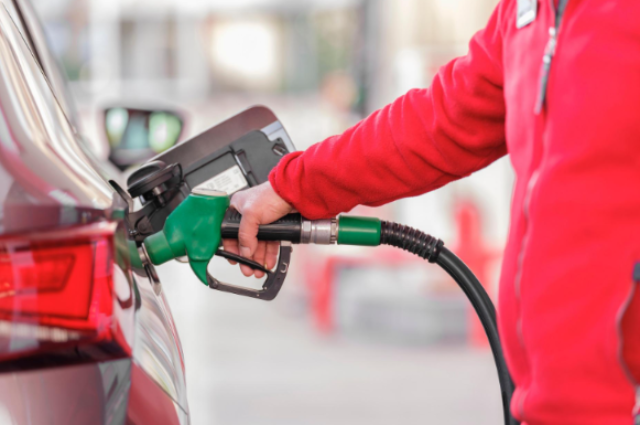
India has been making major steps when it comes to the development of society. We can see this with the slow introduction of the new type of fuel known as E100, which is said to be almost 100% pure ethanol.
But the underlying issue here is that making it purely ethanol comes with many cons and infrastructure problems that will become more apparent once the fuel is introduced.
The decision taken ultimately can change the entire system we’ve known for years.
So, what is E100?
E100 Fuel
E100 Fuel is a newer, more advanced version of the previous ethanol-based fuels, E10 and E20 (which have respectively used 10% and 20%, respectively), as well as E85 (using 85% ethanol), with E100 using almost 100% ethanol in total.
But what is ethanol?
Ethanol (also known as ethyl alcohol) is a biofuel made with the help of natural resources, such as fermentation of sugars by yeast or other petrochemical processes. It is primarily derived from sugarcane molasses and is usually classified by the type of feedstock used or even the production technology.
The reason India is even promoting the use of fuels such as E100 is due to the overdependency on crude oil imports from many areas, which can cause problems if the imports are halted.
Thus, said natural fuels are a way to introduce a new form of fuel that will help in reducing the dependence on imported petroleum-based products, and why the push to promote E100 has been so essential due to it being a fully natural-based fuel.
Regarding 100% Ethanol
Union Minister of India Nitin Gadkari has officially approved the regulations to legally allow E100 fuel in India. As much as it seems like a good change regarding the circumstances, there are several flaws in the way the fuel has been created.
You see, using ethanol alone as a fuel that is basically the new energy needed for cars and various other vehicles to function can have many disadvantages that can outweigh the many advantages.
It comes down to the idea that, instead of using 100% ethanol, 5% of that amount can still be used as petrol.
Now w, why exactly is that?
For one, ethanol is extremely corrosive, which means it can be corroded and break down, especially by water. This makes many vehicles (even more advanced vehicles such as FFPVs and FFVs) extremely vulnerable, due to the likelihood of said vehicles completely collapsing in on themselves when running on Ethanol.
In this case, automakers have to switch from zinc-coated fuel tanks to stainless steel, due to the nature of the regular fuel tanks having a high chance of not being able to hold up well.
Not to mention, normal vehicles can never even run on these fuels, due to combustion levels. A vehicle can just end up in flames due to its incompatibility with regular vehicles.
There are even the mileage rates, which become significantly higher when it comes to the knowledge that E100 fuel is significantly less dense than regular petrol. You then end up with vehicles that go for lower speeds, resulting in frequent refuelling of said vehicles, which ends up being more expensive than just refuelling on petrol.
So what is our conclusion here?
The future of E100
As much as there are flaws regarding the E100 fuel, there are many pros to it as well. With pros such as the domestic and natural usage of fuel, reduced greenhouse gases, an increase in farmers' income and a much better performance level that can be seen in newer vehicles being developed today.
However, that does not mean it is safe for E100 to only have 100% of ethanol, due to the many cons that come with it. Hence, many are seeking to have at least 5% of the fuel be petroleum, since a vehicle can never run on a fuel purely made up of ethanol, at least for the first few years as the nation adjusts to the new changes.
With petroleum added, the likelihood of combustion becomes significantly lower, which can, in turn, help with the mileage levels, as vehicles become more accustomed to the fuel as well.
Confirming that, without a mix-up of ethanol with at least another biofuel, it can lead to many complications.
Introducing a new fuel such as this will also take many years for it to be properly adapted into the Indian nation. So, once we have made significant efforts in having more modern and better vehicles for using such fuels, only then can we trust in using fuels that don’t rely on biofuels needed from imports.
It is only then that it can be an extremely positive advancement for our country.
References