
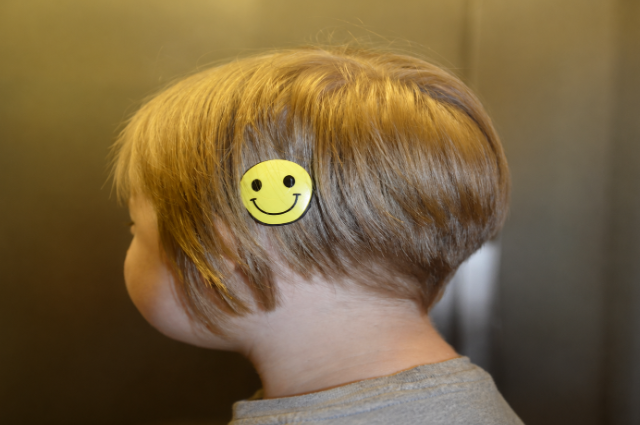
In the modern world, most people end up trying to find meaning in their happiness w it be to strive for something better, becoming well-known or loved, being extremely wealthy, or pushing yourself to the hardest you ever can.
Even then, every person in this world has their own unique view of what happiness truly is—a different definition based on their own way of life.
It’s in these conversations that we really wonder what happiness means to most people.
So, according to the topic, what does happiness mean to someone who has lived life differently from most people?
What does happiness mean to individuals who are born “different” to society’s standards?
All this to say, we shall delve into Down syndrome and what it means to live with it.
What is Down Syndrome?
Down syndrome is a genetic disorder in which a person has 3 copies of chromosome 21, instead of 2. A type of chromosomal condition that can result in a different appearance, along with physical complications as the child grows up.
The cause of Down syndrome is unknown, with the myth that babies are born with Down syndrome with respect to the mother’s age, which is false, as more than half of the children with Down syndrome are born to women below 35, mostly because younger women tend to have more children.
The lifespan for people with Down syndrome was only 25 years in 1983, with the newer generations having an age range of around 60 years. This is also mainly due to the ban on institutionalising people with the syndrome.
Many myths still go around that talk of a child with Down syndrome ruining a marriage, or that they can’t feel pain, or even that they can't read or write, when that is far from the truth, and are only just myths and misconceptions made by the public.
Discrimination and Mistreatment
For years, people with DS have been judged unfairly for their condition.
Lab idiots, called the r slur, and sometimes even encouraged to be aborted due to the knowledge of the baby being born with the syndrome. Even then, those who end up with a loving family still face many instances of mistreatment to this day.
Anyone called such names and treated with such disrespect and dehumanisation can easily make someone feel hurt and even depressed.
The ban on DS births in Iceland is another indicator of how society deems these people, where no effort is made to help and consider care and help for them. Not to mention, our country itself has no excuses, since Down syndrome is still very heavily scrutinised even with the disability act.
Even then, the more positive side of the argument is that even when the world seems so against you, you still find happiness in the smallest things in life, even if they aren’t impactful.
The Happiness Study
In recent years, many efforts have been made to help these individuals and provide them the respect and care they need. Many people with Down syndrome live their lives to the fullest. Falling in love, studying, getting a job, spending time with family and friends- it’s all a very simple life.
A study asking people with DS had come out, stating that 99% of people with Down syndrome were happy with their lives, 97% of them liked who they were, 96% liked how they looked, and almost 99% of them expressed their love for their families.
The remaining small percentage expressed sadness about their lives, with 87% stating they could make friends easily; the rest, 13%, due to the still-present discrimination and mistreatment that happens today, and even isolating living situations with family.
In another qualitative analysis, people with DS encouraged parents to love their children with Down syndrome, emphasising strongly that they too are people with hopes and dreams like anyone else.
What does happiness mean to you?
As we’ve discussed earlier, happiness can mean very different things to each person.
There are so many different kinds of people in this world; each person is so distinct and unique in their own way, and many have completely different and vibrant stories to tell.
Whether it be people with disabilities, people from all across the world, people with different interests, of different identities, of different labels, each person deserves the right to be seen and treated as human.
People with DS can end up being extremely sad and depressed all the time, and it would be justified. But they’re not. Most of them aren’t at all. Instead, their happiness is built from their families, friendships, loves, and life itself. Making the most of what life has to offer them.
This doesn’t mean people with DS are never sad or don’t face obstacles, but to show that anyone can find happiness in life; there is no gatekeeping for that.
It’s a lesson for anyone out there who will find blunders and scenarios that test the very limits of their being, to be able to recognise their worth and find what makes them truly happy.
And that can be the most important thing to someone, then it ever could.
References
- https://pmc.ncbi.nlm.nih.gov
- https://www.globaldownsyndrome.org
- https://archsa.org
- https://www.globaldownsyndrome.org
- https://archsa.org
- https://www.globaldownsyndrome.org