
Many scenarios happen all over the world that have a significant value to the wealthier individuals of a certain area. The more privileged one is, the more opportunities and chances one can get. Luxury has always been based on how wealthy you are. This is seen in many cases from travelling conditions, institutions, restaurants and even housing areas.
This kind of wealth-based gatekeeping has caused a very big divide between the rich and the poor, creating a system that values you more purely based on how wealthy one is.
But what happens when the system changes? What if, instead of the luxury being wealth-related, it was instead based on volunteer work that directly benefits the nation as a result? Which brings us to the topic of the well-known Omkareshwar Jyotirlinga temple and its blood donation scheme.
Omkareshwar Jyotirlinga temple
The Omkareshwar Jyotirlinga temple is a temple built in Madhya Pradesh on the banks of the Narmada River. It is noted that there has not been any documented record of who even built the temple; thus, most of its history is left to time.
It is a vast temple built with an assembly hall, 60 massive pillars keeping it all in place, reaching up to 12 feet high, with five floors devoted to 5 different deities.
Many visitors come to the temple each year, which causes many long queues to form, which can take a very long time, usually due to the poor management of the crowds.
There is also the heat of the temple, which can cause many to faint due to too much exposure. A 40-year-old devotee from Odisha had passed away due to a sudden blood pressure increase, which caused him to faint and eventually die on the way to the hospital. Due to the poor management, heat and long queues, a new system was introduced as a result.
The Darshan System
This system was created due to the number of visitors the temple would receive, especially during special large-scale festivals and holidays.
Thus, darshans are a way to give each visitor a ticket on the basis of a particular time slot, so they can visit the temple on their respective ticket. The tickets can only be used based on the time slot booked, and you're only allowed to use them once.
This brings us to the other type of Darshan known as the VIP Darshan. The VIP Darshan provides a peaceful and quaint experience visiting the temple rather than experiencing the long queues that are normally a part of the visit.
Visitors with a VIP Darshan ticket are provided with a higher priority than others, thus leaving a divide since the VIP tickets are far more expensive than the average ticket.
This has been the system for a while and has been for some time now.
But on 24th February 2026, the method of ticket booking changed for the better.
A Donation for Salvation
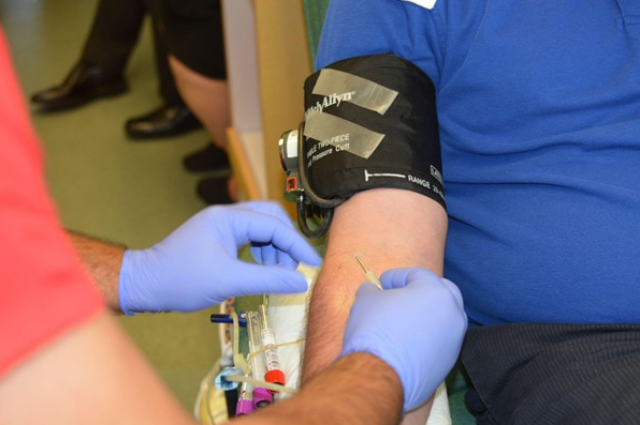
The practice of buying tickets for a better experience of the temple is no more, as devotees are now being offered free VIP darshan in exchange for donating their blood.
This has greatly benefited the way the system has been functioning, as now VIP-based access is purely based on a volunteer basis, but it has also greatly reduced blood shortages around Madhya Pradesh by creating a surplus at local blood banks all over.
Health officials have even stated that they now collect over 150 units of blood every week, which has been shared with many districts.
The scheme has also greatly helped in the collection of rarer blood types such as AB negative, O negative, B negative, etc., which makes it more accessible to those of rarer blood types in the area.
This not only provides an advantage for more awareness and health security in important blood donations around the area, but it also enables the old ticket-based system based on how wealthy you are to be replaced with a system that rewards you with access based on your volunteering efforts, hence providing more volunteers in exchange for free VIP’s plus a certificate, which helps in gaining more surplus of blood banks.
The scheme shows an extremely fair decision that helps both sides of the argument in one clean action. To put a stop to the normal system of favouring the rich over the poor for a better and more sacred experience in their visit. It gives more opportunities to those who are devoted to the temple to be able to have their visit peacefully, rather than having to wait in a long queue for 2–4 hours while also having to deal with the heat.
This shows us that many areas can choose to have better ways of handling a system that can greatly benefit how it works, while also benefiting from where the profits go. In this case, it is the blood received from the devotees.
With around 500 units of blood already collected, and many more advancements and improvements being made to make the scheme more effective in its cause, with a chance that the scheme may reach other major temples across MP, we can only see how the scheme continues to grow from here.
This is where we finally start to see the gradual progress of a system based on true devotion, rather than wealth and riches.
References:
- https://shriomkareshwar.org/VisheshDarshan.aspx
- https://dorituals.com/listing/omkareshwar-temple-vip-darshan/
- https://www.tripadvisor.com
- https://www.bhaskarenglish.in
- https://www.tirthayatra.org
- https://economictimes.indiatimes.com
- https://timesofindia.indiatimes.com