
In India, many of the most frequented temples have continued to offer VIP darshan (henceforth "VIP access") as one of their main services for quite some time. As a token of appreciation for making an additional donation, worshippers with VIP access are given preferential treatment when trying to access said service. This is done to facilitate a faster and/or easier experience as it pertains to being serviced or receiving God’s blessings at the temple. The system has been widely criticised for its unfairness and has also been accused of commercialising both the process of worshipping and worship itself, in addition to creating a division between classes and individuals that have VIP access and those that don’t.
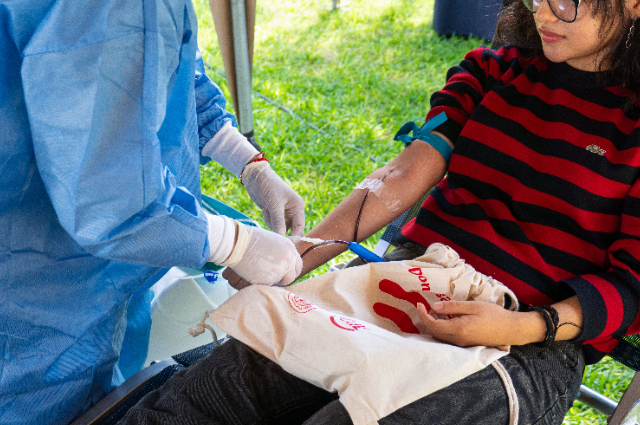
On July 4th, 2012, the Omkareshwar Jyotirlinga Temple,e which is located in Madhya Pradesh, implemented a ground-breaking program that rewards worshippers with VIP access based on charitable acts versus monetary donations. Specifically, the program provides pilgrims with an opportunity to receive VIP access to the temple if they have voluntarily donated blood at the onsite blood donation booth that was made available at the temple. The program has created a useful synergy between worship and charity as it has allowed for the two processes to work together and provide benefits to both parties (the charitable organisation and temple) while simultaneously providing a service to pilgrims attending this particular temple.
The Omkareshwar Temple is one among 12 Jyotirlingas that are holy shrines of Lord Shiva. The temple is popular and attracts many worshippers daily. For major festivals or other significant days, people often have to wait in line for three to four hours or longer before being able to enter the temple. Because of the long wait time and because of a constant lack of blood at local area hospitals, the Khandwa district administration worked with temple authorities to start a program called “Blood For VIP Darshan”. Instead of paying a fee, if a healthy adult chooses to give blood, he or she will be allowed access to the temple first. This very simple yet powerful program has created an opportunity for individuals to see giving blood as both an expression of devotion and a way to help others in the community.
This campaign has received tremendous support. Hundreds of devotees gave freely, and nearly 500 pints of blood have already been collected in the first phase of this program. The donated blood has been sent to hospitals and blood banks for use in emergency surgeries, accidents, cancer patients, women in childbirth with complications, and patients suffering from serious illness. Each donated unit may help many patients if separated into its respective parts. The RESULTS OF THIS PROGRAM WILL HAVE FAR-REACHING IMPACTS BEYOND THE TEMPLE'S WALLS; there is the possibility that several lives will be positively impacted by each donation. Thus, this program has great spiritual impact and tremendous social value!
This campaign demonstrates a redefinition of the concept of VIP treatment. Historically speaking, VIP access has been afforded to people who are wealthy or have high social status. However, at Omkareshwar, privilege is earned through acts of selfless service to others rather than giving money for the privilege. This shift creates a resounding message that compassion and generosity are worth more than money. By offering rewards (in this case for donating blood), the temple encourages devotees to expand their view of "helping others" into an understanding of how an individual's actions can have a positive impact on others. As such, the campaign supports the notion that true devotion is expressed not only through prayer, but also through actions of kindness and service to others.
The connection between religious faith and social responsibility is further established through this campaign. Religious organisations have historically provided support to communities via education, health care, or charitable efforts and by utilising the inherent power of a major pilgrimage location to tackle a significant global health challenge; the Omkareshwar initiative continues that tradition. Blood shortages are an issue in many regions of India, particularly in times of crises or natural calamity. Volunteering at such a highly regarded institution thus fosters greater community awareness of the need for blood donors, while also inspiring many people who may have never previously thought about donating blood. Numerous first-time donors have reported that they feel a deep sense of accomplishment in knowing that through their pilgrimage they were able to assist in saving a life.
The connection between religious faith and social responsibility is further established through this campaign. Religious organisations have historically provided support to communities via education, health care, or charitable efforts and by utilising the inherent power of a major pilgrimage location to tackle a significant global health challenge; the Omkareshwar initiative continues that tradition. Blood shortages are an issue in many regions of India, particularly in times of crises or natural calamity. Volunteering at such a highly regarded institution thus fosters greater community awareness of the need for blood donors, while also inspiring many people who may have never previously thought about donating blood. Numerous first-time donors have reported that they feel a deep sense of accomplishment in knowing that through their pilgrimage they were able to assist in saving a life.
The Initiative aims to foster a culture of civic engagement by reminding citizens of their ability to participate meaningfully in the community through simple acts of kindness. Donating blood is a very quick and easy process that is safe for both the donor and recipient. The impact on patients' lives, however, is enormous. This initiative connects blood donations with the participants' spiritual experiences and is designed to reduce fears and myths about blood donations among donors. Many of these initial participants may evolve into regular, voluntary blood donors, providing an enduring benefit to the community healthcare system.
An immense amount of awareness and interest have been generated in both the government sector and among the general public as a result of the initial success of the Omkareshwar Campaign. Conversations have already begun about a potential pilot program for other temples within Madhya Pradesh; if the pilot program is eventually developed into a statewide offering, this could lead to donations of blood from thousands of pilgrims visiting temples every year, resulting in significantly increased blood availability for hospitals throughout the state. Other faith-based organisations throughout India may also consider implementing these kinds of programs to promote awareness of organ donation, provide health checkups, create programs aimed at protecting the environment, and engage in acts of community service. This type of initiative will not only help religious organisations fulfil their mission of serving society spiritually but will also contribute to the overall progress of society as well.
Although the programme has a lot of advantages, it has also generated some thoughtful discussion. For example, some people believe blood donation should continue to be completely voluntary and should not be linked to any form of rewards. Others feel that VIP darshan provides a positive incentive for first-time donors and does not diminish the humanitarian value associated with their donation. Furthermore, as blood donation is undertaken after appropriate medical screening with participants being completely free to choose whether they donate or not; therefore, in the opinion of most experts, the programme can successfully balance ethical issues against public health issues. Finally, the number of lives saved as a result of increased blood donations indicates the value of this project.
The Omkareshwar Temple's "Blood for VIP Darshan" program serves as a prime example of a new way of providing public service that combines community and faith with compassion and social responsibility. Instead of just providing for financial gifts, this program also provides a tangible benefit to the community by providing a service that has a positive impact. By switching from cash to kindness, this program turns an ordinary privilege of being affiliated with a religion into an opportunity for saving lives. It sends a clear message to devotees that true spirituality does not come solely from worship, but can also be expressed by helping others. As more and more organisations seek to provide service to their communities through innovation, the Omkareshwar program serves as an example of how faith can inspire positive change within the community. If this type of program were to be implemented on a national scale, the lives of many individuals could be saved, and the values of generosity, humanity and shared responsibility could be preserved.
References:
- The Times of India. (2026, April 23). Omkareshwar pilgrims get VIP darshan for donating blood.
- The Times of India. (2026, June 15). VIP darshan in exchange for blood donation a big hit at Omkareshwar temple.
- Shri Omkareshwar Jyotirlinga Temple. (2026, February 22). Free Protocol Darshan Offered for Blood Donors.