
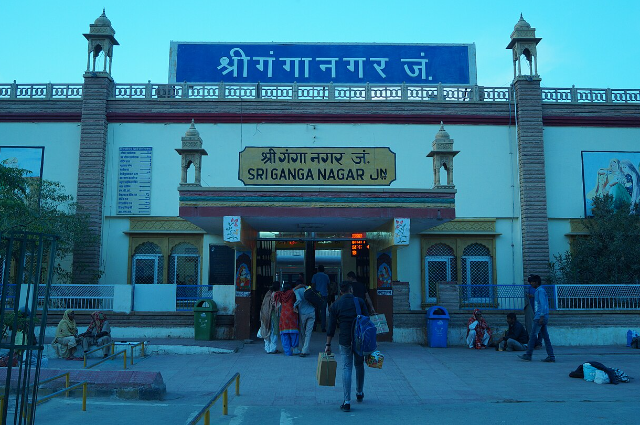
A crime that shocks a country comes with haunting images, but along with shocking information, there might be just one question everybody is asking. The question that lingers in people's minds after Sri Ganganagar is this: If Sri Ganganagar is not a tourist destination, why is there a plethora of hotels? The matter has begun to upset the public with respect to the horrendous crime committed against a 13-year-old girl and raised some issues related to the systems that contributed to the nature of violations. It has turned from a criminal investigation into a discussion if vital in the view of governance and its functioning.
It has been alleged in police research that e-rickshaw drivers kidnapped a minor girl and then sold her to a hotel owner. Following that, the girl was moved to several hotels during the next five days, where she was subjected to sexual abuse from numerous people. At the same time, the relatives of the girl, who had looked for her for years, found out that she was with the police after they called them after their daughter had gone missing. This assiduous work led to the rescue of the girl and the start of a large police investigation.
The information about the case made everybody pause and ponder. However, it did not take long for police to find more disturbing facts about the matter. Upon investigation,n police experts discovered that numerous hotels in Sri Ganganagar operate illegally and without required licenses. This means that police actions in this regard did not take long, and several arrests have been made while several hotels built in violation of laws were demolished.
People are inquisitive about the issue. Sri Ganganagar is well known for its importance in agriculture and its geographical location at the India-Pakistan border. Unlike Jaipur, Udaipur, or Jaisalmer, it has not been labelled as a tourist centre. It is not a preferred destination for either domestic or foreign tourists. It is crucial to understand why this town features a high number of hotels.
There is nothing wrong about hotels per se; however, it is questionable that many hotels presumably operate without a license and supervision. Hotels have to keep records of guests and keep the information safe and secure according to existing laws. The absence of such procedures puts these hotels at risk of being abused by criminal activities.
This event raises questions about the effectiveness of the local government. Would better supervision have stopped this crime? Did the authorities know any illegal businesses existed in the said location? Could earlier action have allowed the victim to avoid a long period of torment? These are tough questions, but they need to be answered if any similar episodes are to be avoided in the future.
Public discontent is evident everywhere in the region. Protests in different places of Rajasthan can be seen because people are demanding quick justice and punishment for the perpetrators of the crime. Some people even asked for an explanation from local officials who are supposed to monitor business activities and guarantee public safety. Feelings are very intense, but one must think about conducting an investigation in a professional way and according to the law.
On the other hand, the case showed how fast fake news can travel through social media channels. Fake news was spread on social media about certain details of the case, numbers that had no official confirmation, and misleading statements about the probe. This indicates how even though social media is used in order to create awareness, it sometimes becomes a difficult tool for investigations due to the spread of information without any verification.
Furthermore, apart from all the facts mentioned above, the Sri Ganganagar case highlights certain problems that exist in our society. Any crime committed against a woman or child is not merely a criminal act carried out by a particular person. It shows the inability of the administration, law enforcement agencies, and community to prevent crimes. The illegal business will continue to thrive if no measures are taken to check its progress.
It is not just about punishing the accused; It is about preventing such incidents from happening in the future. Hotels need to be regulated; there needs to be a quick response to missing persons cases; better surveillance of underground businesses, and a better working relationship between the police force and local governments is vital here. Our society needs to respect the dignity of the survivors rather than making their misery into some headline.
Unfortunately, the Sri Ganganagar case shows us that arresting people is not always enough for bringing justice to the victims. Bringing justice also means recognising what led to such a horrific crime, and making sure that such problems are never to recur in the future. With ongoing investigations, our country hopes that this incident becomes a turning point for the process of governing and enforcing the law better.
This is how we can transform the public curiosity about "Why 150 hotels?" into something else.
References:
- The Times of India – Coverage of the Sri Ganganagar case.
- India Today – Investigation and hotel demolition reports.
- The Indian Express – Reports on the ongoing investigation.
- Hindustan Times – Coverage of arrests and police action.
- Rajasthan Police official updates