
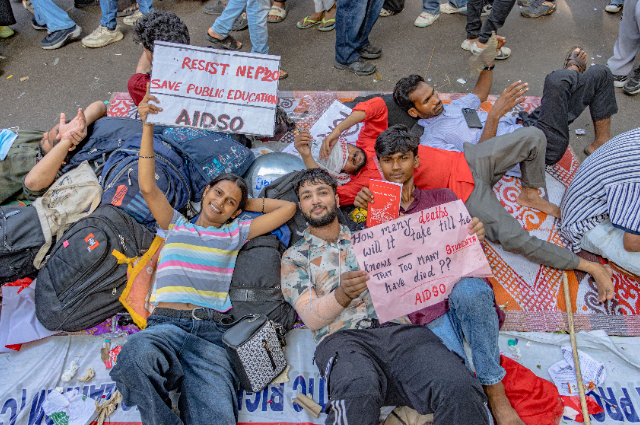
Many protest movements have taken place in India since its independence; however, there is none that is more rapid in its formation and development than the CJP (Cockroach Janta Party). In the course of what started as protests of students against the leakage of examination papers, one of the biggest protests against the government has emerged in recent years. Numerous citizens have joined forces and demanded responsibility from the government, transparency, and resignation of the Minister of Education, Dharmendra Pradhan. Moreover, the movement turned into a symbol of the price that peaceful protesters pay for their right to protest.
The history of the protests dates back to allegations of corruption and irregularities in competitive examinations. The students accused the government of the lack of proper security measures that would ensure fair competitive examinations and jeopardise the future careers of millions of citizens. What at first seemed to be an uncoordinated protest received wide publicity after a comment by a judge called the protesters 'the Cockroach Janta Party'. Far from scaring off the participants, the comment has served as an encouragement to the protesters, who took the name for themselves.
With increasing popular support, the movement was no longer limited to just the question of leaks of exam papers. They stated that the situation showed much deeper problems, including unaccountable public institutions and an inappropriate response of the government. Solidarity marches were seen in universities all over many states, while civil society groups, scholars, and other activists came forward to support the demands of the students.
One crucial turning point was when social activist Sonam Wangchuk, who went on hunger strike, became seriously ill. He became an important moral leader in this wider movement for peaceful democracy and raised issues relating to governance and public accountability. The news about his hospitalisation created great emotion among people and led to larger protests.
On Monday, a crowd consisting of more than 10,000 people started marching towards Parliament House in New Delhi. The crowd carried banners and hoisted the national flag while chanting slogans for justice to the students and institutional reforms. As per different reports, the protest march remained peaceful in the early stages of the event. Nevertheless, the tension started rising when security forces tried to stop the march from proceeding into restricted areas around the Parliament.
The police employed tear gas shells and conducted baton charges on the crowd to break up the rally. Different videos that have been circulating on social media platforms depicted chaotic scenes where the people were running in smoke-filled streets while helping the fallen or injured people. Several members of the crowd alleged that they were being subjected to excessive force even though they were peacefully protesting.
The clash caused many people on both sides of the confrontation to be injured. Some victims needed medical attention for problems including tear gas inhalation, bruising, and other injuries related to the conflict. Civil rights groups were concerned about the use of force in this situation, calling for an independent investigation of what had occurred.
After the clash, the leaders of the movement were arrested. This action made many more people critical of the government's response, with opposition leaders and civil society groups stating that the arrest of the movement's leaders would harm efforts toward democracy. Government officials stated that the arrest was legal, as the law enforcement agencies had maintained their rights.
In light of increased public pressure, the government subsequently demonstrated its readiness to conduct dialogues with the representatives of the protestors. There were indications that such dialogues may be conducted in order to resolve issues related to the reforms in examinations and administrative responsibility. However, the protestors pointed out the absence of any concessions or policy statements made so far by the authorities. Thus, the protests persist, with the demonstrators demanding not just symbolic dialogues but tangible actions along with them.
The CJP movement has become more than just a protest against the problems in the examinations. The movement has taken on a much larger meaning, signifying the demands for transparency, accountability and democracy in the government. The fact that there is broad participation of students, teachers, professionals and citizens proves this point.
However, the success of such negotiations is not known yet. The upcoming days may show whether there will be a breakthrough through negotiation or whether protests will keep growing. Nonetheless, regardless of what will happen in the future, recent events related to the CJP demonstration have initiated a significant debate on how to strike a balance between keeping law and order and ensuring people's constitutional right to demonstrate peacefully.
Thousands of people who came out to demonstrate with faith that peaceful demonstration is their most powerful weapon of democracy learned how much power their actions can bring to them and how difficult it is for them to fight for their rights.
References:
- Reuters. India's youth leaders begin talks with government but press on with nationwide protests.
- Associated Press. Indian activist Wangchuk ends 26-day hunger strike as 'Cockroach' protesters vow to press on.
- The Indian Express. CJP protest over NEET paper leak enters Day 26: What happened, key demands, Centre's response.
- The Indian Express. CJP Parliament March Highlights.