
India has moved a step closer to cleaner transportation by approving regulations for E100 fuel. Union Road Transport and Highways Minister Nitin Gadkari recently announced that the government has signed the rules allowing vehicles to legally operate on E100 fuel. The decision opens the door for automakers to introduce flex-fuel vehicles capable of running on extremely high ethanol blends. It follows the rollout of the E20 programme and the gradual introduction of E85 fuel, reflecting India's broader strategy to reduce dependence on petrol and imported crude oil while strengthening domestic biofuel production.
Despite its name, E100 is not entirely pure ethanol. Commercial E100 typically contains around 93 to 95 per cent ethanol, with the remaining portion made up of petrol and specially formulated additives. These additives improve fuel stability, protect engine components and make ignition easier, particularly in colder conditions. Ethanol has different physical properties from petrol, making it harder to ignite when temperatures fall. This is where the fuel rail heater becomes an essential technology.
Although hidden beneath the bonnet, the fuel rail heater is one of the key components that allows an E100-powered engine to function reliably. Ethanol has a much lower vapour pressure than petrol, meaning it does not evaporate easily in cold weather. During a cold start, insufficient fuel vapour can make ignition difficult, causing rough starts or even preventing the engine from starting. The fuel rail heater gently warms the ethanol before it reaches the injectors, helping it vaporise efficiently and ensuring smooth combustion. Some flex-fuel vehicles may also use a small auxiliary petrol reservoir for cold starts, but manufacturers are increasingly relying on fuel rail heaters to eliminate that requirement and improve long-term reliability.
The approval of E100 regulations does not mean existing petrol vehicles can simply switch to the new fuel. Even vehicles certified for E20 are not designed to handle ethanol concentrations this high. Ethanol is hygroscopic, meaning it readily absorbs moisture from the atmosphere. Over time, this can lead to corrosion of conventional fuel tanks, rubber hoses, aluminium parts and fuel lines used in standard petrol vehicles. To withstand these conditions, E100 compatible vehicles require stainless steel or ethanol-resistant fuel tanks, reinforced seals, corrosion-resistant fuel pumps, upgraded injectors and specialised fuel lines. Manufacturers must also recalibrate engines to manage the unique combustion characteristics of high ethanol fuel safely.
Engine management is equally important. Flex-fuel vehicles are equipped with ethanol content sensors that continuously monitor the fuel mixture inside the tank. The Engine Control Unit (ECU) uses this information to automatically adjust fuel injection, ignition timing and the air-fuel ratio in real time. Ethanol requires a richer fuel mixture than petrol because it contains less energy per litre. Without these electronic adjustments, engine performance, fuel efficiency and emissions would suffer. On the positive side, ethanol offers an exceptionally high octane rating of around 113 RON, making it far more resistant to engine knocking. This allows specially designed engines to operate with higher compression ratios, improving combustion efficiency and in many cases, delivering stronger performance than conventional petrol engines.
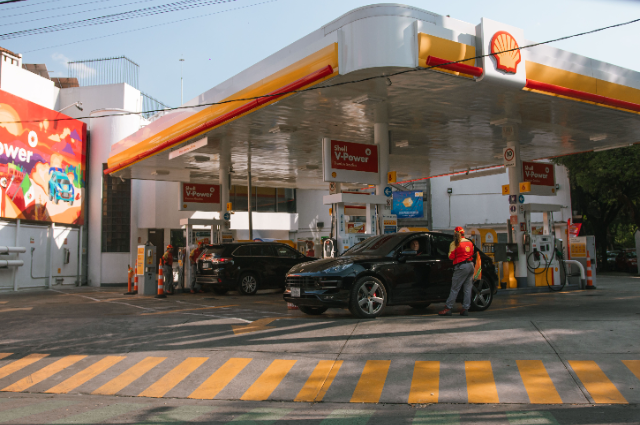
Several automobile manufacturers are already preparing for this transition. According to the government, companies including Toyota, Suzuki, Hyundai and MG are expected to introduce E100-compatible vehicles in the coming months. Maruti Suzuki has already showcased a flex-fuel version of the Wagon R, while Hero MotoCorp has developed motorcycles capable of operating on higher ethanol blends. However, manufacturing suitable vehicles is only part of the challenge. Building a nationwide fuel distribution network will require significant investment. Petrol pumps must install dedicated storage tanks, pipelines and dispensing systems because ethanol absorbs moisture more readily than petrol. Oil marketing companies will also need to strengthen transportation, storage and quality-control systems before E100 becomes widely available across India.
Cost and practicality remain major concerns. Ethanol contains roughly 30 per cent less energy than petrol, meaning an E100 vehicle generally consumes more fuel to travel the same distance. Drivers are therefore likely to experience lower mileage, even if the engine itself performs efficiently. For E100 to become financially attractive, ethanol will need to be priced considerably lower than petrol to offset its higher consumption. Vehicle prices may also rise because of specialised materials, upgraded fuel systems and advanced engine technologies. Consumers will have to recognise that E100 is intended only for certified flex-fuel vehicles and should never be used in ordinary petrol engines. At the same time, the government has repeatedly stated that there is no scientific evidence showing E20 damages compatible engines and manufacturers continue to support its widespread adoption.
Even with these challenges, E100 offers significant long-term advantages for India's economy and energy security. The country imports a substantial share of its crude oil requirements, placing enormous pressure on foreign exchange reserves and exposing the economy to fluctuations in global oil prices. Expanding domestic ethanol production can reduce this dependence while creating a more diversified energy mix.
India already produces ethanol from sugarcane, maize and surplus rice, and researchers are increasingly exploring second-generation biofuels made from agricultural waste such as paddy straw and crop residue. This creates additional income opportunities for farmers while helping reduce stubble burning, one of the major contributors to seasonal air pollution across northern India. Increased ethanol production could also encourage investment in rural industries, strengthen agricultural supply chains and generate employment in biofuel processing, logistics and manufacturing. The government's ethanol blending programme has already demonstrated these benefits on a smaller scale, and E100 represents the next stage of that strategy.
Environmental gains could also be substantial. Since ethanol is produced from renewable biological sources, its lifecycle carbon emissions are generally lower than those of fossil fuels. While emissions depend on farming practices, transportation and production methods, replacing a portion of petrol consumption with domestically produced ethanol has the potential to reduce greenhouse gas emissions over time. Combined with cleaner engine technologies, flex-fuel vehicles could play an important role in India's broader climate commitments while complementing electric mobility rather than competing with it.
Ultimately, the approval of E100 regulations represents far more than the introduction of another transport fuel. It signals a shift towards cleaner mobility, stronger energy independence and greater support for India's agricultural economy. Technologies such as fuel rail heaters, corrosion-resistant fuel systems, ethanol sensors and intelligent engine controls make it possible for modern vehicles to operate safely on high-ethanol blends without compromising reliability. Expanding fuel infrastructure, increasing vehicle production and building consumer confidence will take time, but the regulatory foundation is now in place. If policymakers, automakers and fuel suppliers move together, E100 could become an important pillar of India's green mobility strategy. It is unlikely to replace petrol overnight, but it has the potential to cut oil imports, lower emissions, create rural economic opportunities and move India towards a cleaner, more self-reliant transport future.
References:
- Auto Punditz. India Clears E100 Fuel Regulations: What the Move Means for Cars, Consumers and the Ethanol Economy.
- Autocsr India. Nitin Gadkari Approves E100 Fuel Regulations for Vehicles.
- Mint. Don't Want E20 Fuel? Buy 100% Petrol, but at a Higher Price, Says Nitin Gadkari.
- NDTV Auto Mate. Nitin Gadkari Clears E100 Fuel Norms; Maruti Suzuki, Toyota and MG Ready for Flex-Fuel Push (Video).
- Hindustan Times. Don't Want E20, Go for Pure Petrol, Says Gadkari: What Drivers in India Can Actually Buy at the Pump.