
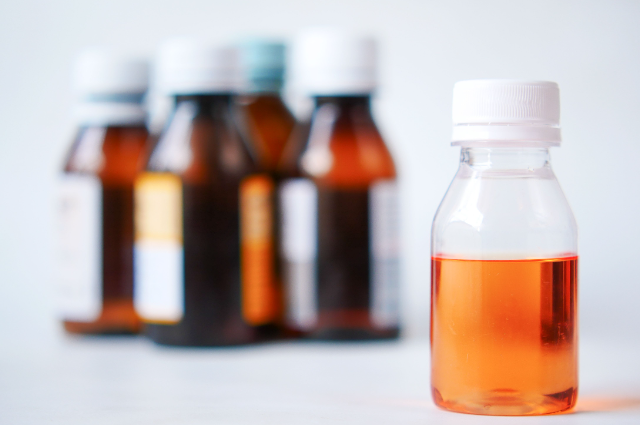
Maharashtra's recent actions by the Food and Drug Administration (FDA) reveal a troubling truth about public health: the greatest dangers are not always visible when consumers encounter them. A contaminated medicine may look perfectly normal, while adulterated food can resemble the genuine product on a supermarket shelf. In recent months, Maharashtra has confronted several such concerns, ranging from analogue paneer and unhygienic dairy facilities to potentially toxic cough syrups and the excessive availability of high-fat, salt and sugar foods around schools. These developments may appear unrelated, but they are connected by one fundamental question: how effectively does the regulatory system protect people before damage occurs? The FDA's action against Respifresh TR and Relife cough syrups is particularly serious because laboratory testing detected dangerous levels of diethylene glycol, or DEG, in specific batches. DEG is not a harmless pharmaceutical ingredient; it is an industrial chemical capable of causing severe poisoning and potentially fatal kidney injury. The concern becomes even more profound when such contamination occurs in medicines intended to provide relief to patients, particularly children. A medicine is purchased with an implicit promise of safety, quality and therapeutic benefit. When that promise is compromised somewhere within the manufacturing or supply chain, the consequences extend beyond financial loss or regulatory non-compliance. They can reach the most vulnerable part of society: human life itself. The Maharashtra FDA's intervention is therefore necessary, but it also raises a difficult question about whether regulatory action is arriving early enough. A prohibition after contamination has entered circulation is important, yet a truly resilient health system should be capable of identifying vulnerabilities before unsafe products reach patients.
The controversy surrounding the two cough syrups becomes more disturbing when viewed against the wider history of DEG contamination. Maharashtra prohibited the sale, distribution and use of specified batches of Respifresh TR, manufactured by Rednex Pharmaceuticals, and Relife Syrup, manufactured by Shape Pharma, after testing detected DEG above permissible limits. Reports identified the affected batches as Respifresh TR batch R01GL2523 and Relife batch LSL25160. The significance of these findings lies not merely in the names of two products but in what the contamination represents for pharmaceutical quality assurance. Diethylene glycol is a colourless and odourless industrial chemical that has no legitimate place as a contaminant in a medicine intended for human consumption. When ingested in significant quantities, it can cause gastrointestinal symptoms, metabolic disturbances, neurological complications and acute kidney injury, with severe poisoning potentially becoming fatal. The danger is especially acute for children because their bodies are more vulnerable to toxic exposure and because cough syrups are often perceived by families as routine household medicines. The wider concern was intensified by the deaths of children associated with another contaminated cough syrup, Coldrif, in Madhya Pradesh in 2025, following laboratory findings of extremely high DEG contamination in a particular batch. That episode demonstrated how a seemingly ordinary bottle of medicine can become a vehicle for catastrophic harm when quality controls fail. Maharashtra's subsequent testing of other products therefore deserves serious attention. It demonstrates that regulatory surveillance can uncover dangers that ordinary consumers could never detect themselves. However, it also exposes the inadequacy of relying primarily on post-market detection. Consumers cannot chemically analyse every bottle of syrup they purchase, nor should they be expected to. The responsibility for guaranteeing pharmaceutical quality belongs principally to manufacturers, suppliers and regulators, supported by rigorous testing, traceability and enforcement.
The FDA's wider inspection of cough syrups is consequently significant because it moves the conversation from two contaminated products towards the entire pharmaceutical ecosystem. Reports from Maharashtra described a statewide inspection drive involving random sampling from vendors and dispensaries, alongside scrutiny of manufacturing licences and pharmaceutical formulations. Authorities also acted against vendors accused of selling cough syrups without prescriptions, with medical sales suspended at dozens of establishments and show-cause notices issued to others. Such enforcement is important because medicines cannot be treated like ordinary consumer commodities. The casual purchase and distribution of pharmaceuticals can encourage inappropriate self-medication, conceal adverse reactions and weaken professional oversight. The problem becomes particularly sensitive when children are involved. Health authorities have repeatedly cautioned against indiscriminate use of cough and cold medicines in young children, with supportive measures such as hydration and rest often preferred for uncomplicated coughs. Parents, therefore, should not interpret every cough as a condition requiring immediate medication. Nor should they assume that an attractive package, familiar brand name or recommendation from a shopkeeper is evidence of pharmaceutical safety. At the same time, public responsibility cannot substitute for regulatory responsibility. Telling citizens to inspect medicine cabinets is useful during a recall, but it should never become a permanent substitute for robust quality assurance. The pharmaceutical industry operates through complex chains involving active ingredients, excipients, manufacturing facilities, laboratories, distributors and retailers. A failure at any point can compromise the final product. High-risk ingredients such as glycerin, propylene glycol and sorbitol solutions therefore require stringent testing for DEG and ethylene glycol contamination. Certificates supplied by upstream manufacturers should not automatically be treated as an infallible guarantee. Independent verification, batch-level traceability and credible laboratory testing are essential because the price of inadequate scrutiny can be measured in irreversible human suffering.
The FDA's action against Parsi Dairy Farm illustrates a different dimension of the same public-health challenge. The suspension of the food licence of the long-established Mumbai dairy brand followed inspections that reportedly identified mould growth, heavy fly infestation, inadequate pest-control measures, improper storage, damaged infrastructure, insufficient sanitation records and deficiencies in product labelling. The distinction is important: the reported action against Parsi Dairy Farm concerned hygiene and food-safety shortcomings, rather than proof that its products were deliberately adulterated. Yet this distinction does not make hygiene violations trivial. Food safety begins long before a consumer takes the first bite. Milk and dairy products are highly perishable, and inadequate sanitation can create conditions conducive to microbial contamination. A consumer cannot see mould behind a production wall, identify inadequate drainage or determine whether food handlers have complete medical records. These are precisely the risks for which regulatory inspection exists. The reputation of an institution cannot be allowed to become a substitute for compliance. A century-old brand may possess immense cultural value, but public trust cannot exempt it from contemporary food-safety standards. Indeed, established brands arguably carry a greater responsibility because consumers may purchase their products precisely because of that reputation. After all, they believe the brand represents reliability. The reported seizure of dairy products from another facility and the wider inspection of milk-handling units across Mumbai and Maharashtra demonstrate that the issue extends beyond a single establishment. The FDA's broader enforcement campaign, including seizures, improvement notices and legal proceedings, suggests a more assertive regulatory posture. Such action can be uncomfortable for businesses, particularly historic ones, but food regulation exists because the right to operate a business must coexist with the public's right to safe food.
The problem becomes even broader when Maharashtra's crackdown on analogue paneer is considered. Laboratory testing of hundreds of paneer samples reportedly found a substantial proportion that failed prescribed standards, including samples classified as substandard and others deemed unsafe. The subsequent one-year prohibition on the manufacture, storage, transportation, distribution and sale of analogue or non-dairy paneer represents an attempt to confront both consumer deception and food safety. The fundamental concern is not that consumers should never have access to non-dairy alternatives. Plant-based foods can have a legitimate place in a modern food system when they are honestly manufactured, appropriately labelled and sold for what they actually are. The ethical problem emerges when vegetable oils, vegetable fats, starches or other ingredients are used to imitate a familiar dairy product and the resulting food is presented to consumers without adequate disclosure. Consumers make dietary decisions based on information, and that autonomy becomes meaningless when labelling is misleading, or traceability is absent. The paneer issue also illustrates the economic pressures underlying food adulteration. Genuine milk-based products can be expensive to manufacture, while cheaper substitutes may offer greater margins. When commercial incentives reward cost reduction without equally strong penalties for deception or unsafe practices, public health can become collateral damage. Regulation must therefore address not only the final product but also the incentives that produce unsafe practices. Sampling, laboratory capacity, transparent labelling, meaningful penalties and regular inspections are all necessary components of an effective system. Most importantly, enforcement cannot disappear once public attention moves elsewhere. Food safety is not a seasonal campaign; it is a continuous public-health obligation.
The third part of Maharashtra's regulatory approach is more preventive and perhaps more important for the future: restricting the sale, advertising and free distribution of high-fat, salt and sugar foods within and around schools. The measure reportedly applies to approximately 1.08 lakh schools and around two crore students across the state, while also restricting promotional activities designed to attract children towards unhealthy foods. This approach recognises an uncomfortable reality about childhood nutrition: individual choice is not entirely individual when the surrounding environment is saturated with persuasive marketing and easily accessible ultra-processed food. Children are particularly susceptible to branding, promotional incentives and habitual consumption patterns because dietary preferences are still developing. A school environment should therefore encourage nourishment rather than commercial manipulation. Preventive regulation of this kind is fundamentally different from banning a contaminated product after laboratory testing has established a danger. It attempts to reduce exposure before illness develops. Excessive consumption of salt, sugar and unhealthy fats is associated with a range of long-term health concerns, including obesity and metabolic disorders, and dietary habits established during childhood can influence health across the life course. Yet regulation must also be accompanied by education. Simply removing one category of food from school surroundings will not automatically create healthy children if nutritious alternatives are unavailable or families lack access to affordable, balanced diets. Schools, parents, food vendors, manufacturers and governments must therefore share responsibility. Nutritional literacy should become part of everyday education, teaching children to understand labels, ingredients and portion sizes rather than merely telling them that certain foods are 'bad'. A preventive public-health policy succeeds when it enables healthier choices instead of merely restricting unhealthy ones.
Maharashtra's newly strengthened complaint mechanism also points towards another essential element of public health: accountability must be accessible to ordinary citizens. Reports stated that thousands of complaints were received after the FDA launched an online portal for food-related grievances, with a substantial number concerning unhygienic food. The proposed system, under which complaints are expected to be acknowledged and assigned within defined timeframes, could become valuable if it is implemented consistently and transparently. Citizens are often the first people to notice unsafe food-handling practices, suspicious products or unhygienic establishments. Their observations should not disappear into bureaucratic channels. A responsive regulatory system should transform public complaints into inspections, laboratory testing, enforcement and measurable outcomes. Technology can assist this process through digital records, traceability and databases that identify repeat offenders. However, technology alone cannot create accountability. A portal that receives thousands of complaints but produces little enforcement would merely create the appearance of participation. The same principle applies to regulatory inspections. A dramatic inspection drive can generate headlines, but public health depends on what happens after the cameras disappear. Are violations corrected? Are repeat offenders monitored? Are laboratories sufficiently equipped? Are unsafe products traced back to their source? Are penalties proportionate enough to discourage repetition? These questions matter because enforcement without continuity can become episodic rather than institutional. Maharashtra's recent actions are encouraging precisely because they demonstrate that regulators can intervene against established businesses, pharmaceutical products and unhealthy food environments. But the true measure of success will be whether these interventions develop into a durable culture of compliance rather than remaining a temporary surge in regulatory activity.
Ultimately, the Maharashtra FDA's recent actions should not be interpreted simply as a series of bans, raids and licence suspensions. They are a reminder that health protection begins with vigilance long before a patient reaches a hospital. A contaminated cough syrup can transform a routine childhood illness into a medical catastrophe; adulterated food can undermine nutrition while remaining visually indistinguishable from the genuine product; and unhealthy food environments can gradually shape behaviours whose consequences appear only years later. These are different forms of risk, but they all demand the same principle: prevention must be stronger than reaction. The FDA deserves recognition when it identifies unsafe products and acts against violations, but regulatory success should ultimately be measured by how rarely consumers are exposed to preventable danger. The recurrence of DEG contamination is particularly concerning because every new detection raises questions about whether lessons from previous tragedies have been sufficiently institutionalised. Likewise, food-safety enforcement should not depend on whether an establishment is famous, old, small or politically insignificant. The standard must be identical because bacteria, toxins and adulterants do not discriminate according to reputation. Businesses have a legitimate interest in profitability, but the pursuit of lower costs cannot supersede the public's right to safe food and medicine. Government, meanwhile, must invest continuously in laboratories, inspectors, surveillance systems, transparent databases and scientific testing. For citizens, caution remains important: medicines should be used responsibly, recalled products should never be consumed, and food should be purchased from reliable and properly licensed sources. Yet the ultimate responsibility cannot be transferred to the consumer. People should not have to become chemists, microbiologists or regulatory inspectors merely to eat safely or take a cough syrup. Maharashtra's latest crackdown is therefore both a necessary intervention and a warning: a health regulator should not merely arrive after danger has been discovered; it should build a system in which danger is discovered before it reaches the public.
References:
- Free Press Journal. “Maharashtra Govt Bans Analogue Paneer for One Year After 35.4 Per Cent of Samples Fail FDA Quality Tests.” 6 August 2026.
- Pune Pulse. “Maharashtra Bans Analogue Paneer for One Year: What Consumers Need to Know.” 6 August 2026.
- Business Standard. “FDA Suspends Licence of Mumbai’s Famed Parsi Dairy Farm over Hygiene Issues.” 16 July 2026.
- Free Press Journal. “Mumbai’s Iconic Parsi Dairy Farm Reopens Days After FDA Suspended Its Licence.” 29 July 2026.
- Gulf News. “Telangana Issues Public Alert for Two More Cough Syrups as Toll Rises to 20.” 2025.
- The Tribune India. “Maharashtra FDA Flags Coldrif Syrup Batch Linked to Child Deaths.” 2025.
- Maharashtra Food and Drug Administration (FDA). “Prohibition Order for Respifresh TR and Relife Syrup.” 7 October 2025.
- Business Standard. “Maharashtra FDA Enforces Junk Food Ban Within 50 Metres of Schools.” 29 July 2026.
- ThePrint / PTI. “Sale of Food and Beverages High in Fat and Sugar Banned Near Premises of Schools in Maharashtra: FDA.” 30 July 2026.
- Business Standard. “Maharashtra Bans Manufacture, Sale of Analogue Paneer: What Did FDA Find?” 2026.
- The Hitavada. “Adulteration Concerns: Analogue Paneer Banned Across the State for a Year.” 2026.
- Business Standard. “FDA Suspends Licence of Mumbai’s Famed Parsi Dairy Farm over Hygiene.” 2026.
- Maharashtra Food and Drug Administration (FDA). “Prohibition Order for Sale and Distribution of Cough Syrup Detected with Diethylene Glycol (DEG).”
- Business Standard. “A Deadly Dose of Neglect: Bitter Truth Behind Cough Syrup Scare.” 2025.
- ThePrint. “Sale of Food and Beverages High in Fat and Sugar Banned Near Premises of Schools in Maharashtra: FDA.” 2026.
- Social Science Page. “The Author of Risk Society: Ulrich Beck (1944–2015).” 2015.