
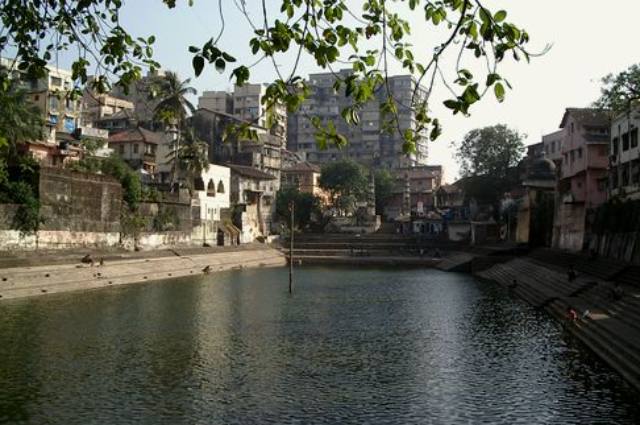
Hundreds of fish were found dead at Mumbai’s historic Banganga Tank in Walkeshwar during Pitru Paksha, renewing concerns about water pollution and the recurring damage to the heritage water body’s aquatic ecosystem. The incident, reported during the annual period dedicated to paying homage to ancestors, prompted the Brihanmumbai Municipal Corporation (BMC) to intensify cleaning operations and call a meeting with residents and priests. A strong foul smell around the tank also caused concern among residents and visitors. While civic officials have pointed to ritual offerings entering the water as a possible reason for the deaths, the precise cause remains subject to water-quality testing. The episode has once again raised a pressing question: why does a problem reported repeatedly over several years continue to demand emergency intervention instead of being prevented through sustained planning? Banganga is not merely a religious landmark; it is a historic freshwater body that supports aquatic life. The latest deaths have therefore brought the need to protect its ecological health into sharp focus.
Pitru Paksha, observed from September 26 to October 10 this year, is a 16-day period during which many Hindus perform rituals such as tarpan and pind daan in memory of their ancestors. At Banganga, devotees traditionally use offerings that may include rice or flour dumplings, sweets, milk, oil and flowers. According to BMC officials, the entry of large quantities of food and other organic material into the tank can increase pollution and reduce dissolved oxygen levels. As organic matter decomposes, microorganisms consume oxygen, leaving less available for fish and other aquatic organisms. Oil entering the water may also interfere with conditions at the surface. When oxygen levels fall sufficiently, fish can struggle to survive and may die. However, the explanation requires careful qualification: the BMC has identified ritual waste and oxygen depletion as suspected causes, but the results of laboratory testing are needed to establish the factors responsible for this particular incident. Some residents have also suggested that high temperatures may have contributed to the deaths. Without confirmed test results, it would be premature to attribute every fish death to a single cause or to blame all devotees participating in the rituals.
The recurring nature of the incident makes the latest episode particularly troubling. Fish deaths have been reported at Banganga in previous years, including 2021, 2023 and 2025, with earlier reports also documenting similar incidents. In 2025, the BMC removed approximately 10,000 kilograms of dead fish, floral waste and other organic material from the tank over three days. The civic body also undertook cleaning measures and spent around ₹1.2 crore on desilting, according to reports. Despite these interventions, the problem has returned. This year, municipal workers have again been deployed to remove dead fish and waste, while additional cleaning arrangements are being considered. The scale of the previous clean-up demonstrates that the issue is not simply about a few fish dying after a religious gathering. It reflects a recurring challenge involving water quality, waste disposal and the protection of a fragile aquatic ecosystem. Although the reported number of dead fish varies across news accounts, the repeated incidents themselves make a strong case for preventive action. Removing carcasses after a mass die-off is necessary, but it cannot substitute for measures that stop the water from reaching dangerous conditions in the first place.
In response to the latest deaths, the BMC has stepped up cleaning operations, installed an aeration pump and sent water samples for laboratory testing. Aeration helps increase the oxygen available in water, potentially improving conditions for aquatic life. The civic body has also planned to pump out and refill the tank as part of its efforts to improve water quality. A coordination meeting with priests and residents at the D ward office is intended to discuss ways to prevent food, oil and other ritual materials from entering the water. The BMC has previously placed collection bins at the site and appealed to devotees to dispose of food and floral offerings in them instead of immersing them in the tank. Reports have also referred to proposals for artificial ponds to accommodate ritual activities, although the status and feasibility of these arrangements need to be clearly established. Priest Sevalal Tiwari has said that materials used by priests conducting pind daan are placed in drums outside the tank after the ritual, while some people performing rituals independently may dispose of offerings directly into the water. This distinction matters: effective prevention requires clear instructions, accessible collection facilities and cooperation from everyone using the site. Awareness campaigns alone may not be sufficient unless the arrangements are practical and consistently enforced.
The crisis has also exposed questions about responsibility for maintaining Banganga. The historic tank, traditionally associated with the 12th century and commonly dated to 1127 AD, is an important pilgrimage site in South Mumbai. According to local belief, Lord Rama created a tributary of the Ganga by shooting an arrow into the ground when he needed water before worshipping Lord Shiva. The tank's religious significance and historic character make its protection especially important. However, responsibility for its upkeep and use involves different authorities and stakeholders. BMC officials have said that the civic body's powers at the site are limited because of its ownership and heritage status, restricting its ability to undertake certain interventions. Reports have also highlighted the roles of heritage authorities and the Gaud Saraswat Brahmin Trust in the tank's management. Walkeshwar resident Sanjay Shirke, who has filed a public interest litigation seeking measures to protect Banganga, has called for stronger safeguards. Residents have questioned why preventive restrictions similar to those used during Ganeshotsav cannot be considered during Pitru Paksha. Others have called for alternative facilities where ancestral rituals can be performed without placing additional pressure on the tank. These concerns underline the need for the relevant authorities to agree on their respective responsibilities rather than allowing administrative limitations to delay practical solutions.
Ultimately, protecting Banganga requires more than an emergency clean-up every time fish are found dead. Water samples must be analysed to establish the extent of contamination and determine whether dissolved oxygen depletion, organic pollution, temperature or other factors contributed to the deaths. Regular monitoring before, during and after Pitru Paksha could help officials identify deteriorating conditions early and respond before aquatic life is threatened. Testing should include dissolved oxygen and biological oxygen demand, alongside other relevant water-quality parameters. The results should inform a published action plan with clear responsibilities for the civic administration, heritage authorities, site managers, priests and residents. Designated disposal facilities, effective collection arrangements, adequate staffing and additional aeration where scientifically justified could form part of a coordinated approach. The challenge is not to place faith and environmental protection in opposition, but to ensure that religious practices do not unintentionally damage the very water body that holds cultural and spiritual significance. Banganga's recurring fish deaths are a warning that conservation cannot begin only after visible damage has occurred. The question facing Mumbai is no longer simply why fish die during Pitru Paksha, but whether the authorities and the community can finally prevent another year of avoidable loss.
References:
- “Hundreds of Fish Found Dead in Historic Mumbai’s Banganga Tank, BMC Calls Meeting.” The Times of India.
- “Thousands of Fish Die in Mumbai Temple Tank, Locals Blame Pind Daan Ritual.” India Today.
- “BMC Calls for Meeting with Residents over Death of Fish in Banganga Tank.” The Hindu.
- “Hundreds of Fish Found Dead at Mumbai’s Historic Banganga Tank.” Mid-Day.
- “BMC Calls Meeting with Priests After Hundreds of Fish Die at Banganga Following Pitru Paksha Rituals.” Hindustan Times.
- “Hundreds of Fish Die at Mumbai’s Banganga Tank, But This Is Not a New Crisis.” Gujarat Samachar.
- “Rituals, Dead Fish, and Buck-Passing—Why Mumbai’s Banganga Tank Is Suffering.” The Print.
- “Mumbai Banganga Case: BMC Calls Meeting with Priests After Hundreds of Fish Die During Pitru Paksha.” News18.
- “Hundreds of Fish Die in Mumbai Pond, BMC Calls Residents’ Meeting, Plans 10 Artificial Ponds Ahead of Pitru Paksha.” India.com.
- “Dead Fish at Mumbai’s Banganga Tank Raise Pollution Alarm.” Urban Acres.
- “Fish Deaths: Faith Must Coexist with Ecological Care.” The Tribune.