
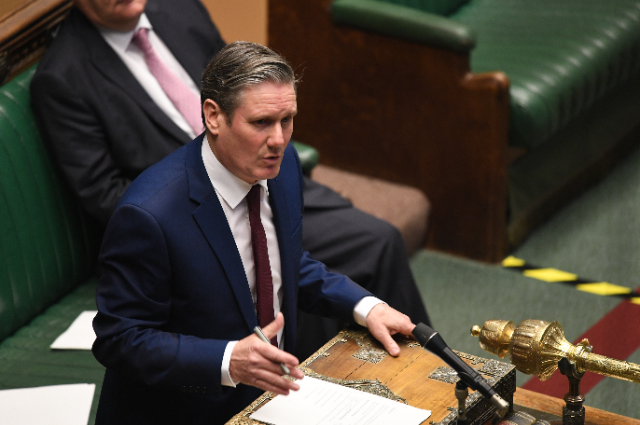
Keir Starmer stood outside 10 Downing Street on the morning of June 22, 2026, and said out loud what everyone in Westminster already knew. His own party didn't want him anymore. Less than two years after Labour swept to power in a landslide, the man who ran on stability was gone, joining a list of British prime ministers so long that it's stopped being news and started being a punchline. Sixth or seventh PM in a decade, depending on who's counting. Either way, nobody's impressed anymore.
Here's what makes this one different, though. Starmer didn't lose a general election. He didn't lose a confidence vote in Parliament either. He lost the room. Slowly, over months, his own MPs decided he wasn't worth defending, and that kind of exit is somehow more brutal than a clean electoral defeat. You don't get voted out by the country. You get quietly abandoned by your own side.
Rewind to May 2026. Local elections happen, and Labour gets hammered. Meanwhile, Nigel Farage's Reform UK is having a moment, eating into seats that should have been safe. For a party that had just spent 2024 promising competence after years of Conservative implosion, this was the first real sign that the wheels were coming off. And once local election numbers turn ugly, MPs start doing math about their own seats, not the party's future. That's when the knives usually come out.
They did. Fast. Health Secretary Wes Streeting resigned from government on May 14. On that exact same day, in a move that honestly sounds made up, MP Josh Simons stepped down from his Makerfield seat purely to create an opening for Andy Burnham to run for Parliament. Not subtle. Everyone knew what it meant. Burnham was being cleared a runway, and the plan worked.
Inside the party, the numbers were just as messy. Reports from Labour List showed well over a hundred Labour MPs either calling for Starmer to go or refusing to back him, while his allies scrambled together loyalty letters that later turned into their own mini scandal, with some MPs claiming their names got added without asking. A governing party less than two years after a landslide shouldn't be fighting over who signed what letter. But that's where Labour was.
Then June happened, and it got worse. Defence Secretary John Healey quit suddenly, followed almost immediately by Armed Forces minister Al Carns and one of Healey's own aides, all citing disagreements over defence spending plans. Every report called it shocking, sudden, destabilising. When your defence secretary walks out over budget disagreements, that's not a policy disagreement anymore. That's a government that doesn't trust itself.
The final blow landed on June 18, when Burnham won the Makerfield by-election with almost 25,000 votes and a majority north of 9,200, beating even the polling projections. It was historically strange too, the first time since 1965 that a by-election had been engineered specifically to get someone who wasn't yet an MP into Parliament. But it worked. Burnham now had a seat, and a seat meant he could formally challenge Starmer for leadership. Four days later, Starmer resigned.
His speech wasn't angry or bitter. If anything, it sounded tired. "The question my party is asking now is whether I am best placed to lead us into the next general election. I have heard the answer of my parliamentary party to that question, and I accept that answer with good grace." He confirmed he'd already told King Charles III, and laid out the handover plan: nominations open July 9, closing July 16 when Parliament breaks for summer, and a new leader confirmed by September 1 if there's a contest. He'll stay on as caretaker until then, a decision Conservative leader Kemi Badenoch tore into immediately, arguing the country can't afford weeks without a real prime minister while security and economic issues pile up.
Burnham didn't waste a second. He confirmed his leadership bid within hours. His biggest potential rival, Wes Streeting, chose to endorse him instead of running, which basically clears the entire path. Unless something unexpected happens, Burnham is walking into Downing Street by late summer, inheriting a party that just spent two months publicly tearing itself apart while Reform UK watched and gained ground.
What's actually interesting here isn't the resignation itself. It's the gap it exposes. A landslide win gives you numbers in Parliament. It doesn't give you loyalty. Starmer had both on paper in 2024 and neither by 2026. He told the country he'd bring stability after years of Conservative chaos. Turns out his own party wasn't willing to give him the time to prove it.
References:
- CNN, "June 22, 2026: Keir Starmer resignation, UK to get sixth PM in seven years," https://www.cnn.com
- Al Jazeera, "Why has Keir Starmer resigned as UK prime minister, and who will take over?" https://www.aljazeera.com
- NBC News, "Keir Starmer resigns as British prime minister, clearing the path for the country's 7th leader in a decade," https://www.nbcnews.com
- Wikipedia, "2026 Labour Party leadership crisis," https://en.wikipedia.org