
For most of the year, the Maharashtra FDA, Food and Drug Administration, works quietly. Lab reports, licence checks, occasional raids. The last few weeks have been different.
From Bandra Kurla Complex in Mumbai to Sambhajinagar, the FDA has been active on three fronts at once: dairy fraud, toxic cough syrups, and food around schools. It’s not one big crackdown. It’s three separate problems that all peaked at the same time, making it look like a state-wide sweep. The picture it paints is less a crisis and more enforcement catching up to issues that have been building for years.
Front 1: The Analogue Paneer Ban – 79 Substandard, 30 Unsafe
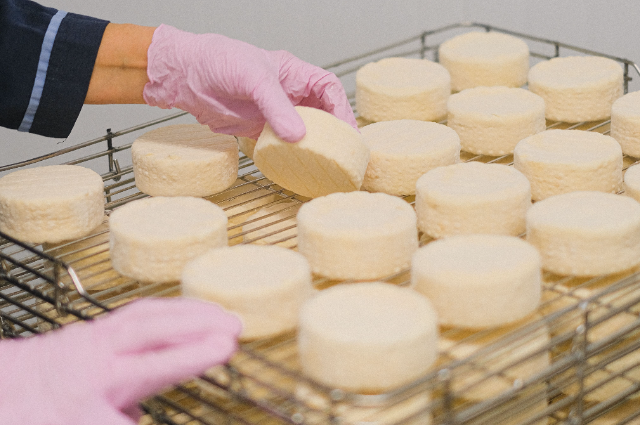
The biggest action was on analogue paneer, a product that looks like paneer but isn’t. In real paneer, the fat comes from milk. In analogue paneer, manufacturers replace milk fat with cheaper vegetable oil and starch. It’s legal if it’s labelled as “analogue paneer,” but illegal if it’s sold as “paneer.” The price difference is big: real paneer costs Rs 350-400 per kg; analogue can be made for Rs 150-180.
The FDA tested 308 samples from across Maharashtra — Mumbai, Pune, Nashik, Nagpur, Sambhajinagar. The results:
- 79 samples were substandard— low protein, wrong fat composition
- 30 samples were unsafe — contained non-permitted oils or failed microbial tests
Based on that, the state has enforced a one-year ban on analogue paneer in Maharashtra, banning its manufacture, storage, distribution and sale as paneer. Hotels, restaurants and sweet shops have been told to declare if they use analogue products. FSSAI has also been asked to tighten labelling rules nationally.
The worst clusters were found in areas supplying caterers and bulk kitchens, where customers can’t tell the difference.
Parsi Dairy Farm: Licence Suspended for Hygiene, Not Poison-In the same dairy drive, Mumbai’s 108-year-old Parsi Dairy Farm had its licence suspended. This got a lot of attention because the brand is iconic in Mumbai.
But the FDA clarification is important: the suspension was not for adulteration or unsafe paneer. It was for hygiene lapses found during inspection, improper storage temperatures, drainage issues near the milk handling area, and failure to maintain cleaning logs.
The licence has been suspended till corrective measures are taken. It’s a different category of violation from the analogue paneer manufacturers, but it came in the same inspection cycle, so it was reported together. The FDA said this was a preventive action.
In Sambhajinagar and other districts, similar small dairies were also issued stop-sale notices for not following FSSAI’s Schedule 4 hygiene norms.
Front 2: Two Cough Syrups Banned for Deadly Contamination
The second front was pharmaceuticals, and more serious. The FDA banned Respifresh TR and Relief Syrup after lab tests found them contaminated with Diethylene Glycol (DEG) — a toxic industrial solvent. DEG should never be in medicine. It can cause acute kidney failure and death, especially in children.
This is not a new chemical for India. Last October, Coldrif Syrup was linked to child deaths in multiple states after DEG contamination was found. In 2022, cough syrups made in India with DEG were linked to child deaths in Gambia and Uzbekistan.
The current ban shows the problem is recurring and unresolved. DEG comes into syrups when manufacturers use cheap, industrial-grade glycerin or propylene glycol instead of pharma-grade. Testing of every batch is mandatory, but small manufacturers skip it.
Maharashtra FDA has now ordered:
- Mandatory DEG and Ethylene Glycol testing certificates for all oral syrups made or sold in the state
- Recall of the two contaminated batches from the market
- FIRs against the manufacturers under the Drugs and Cosmetics Act
The CDSCO, central drug regulator, has been asked to do a pan-India audit of cough syrup makers.
Front 3: Prevention – No HFSS Foods Near Schools
The third action is not about a ban after damage, but prevention. Maharashtra FDA has introduced new rules banning the sale of High Fat, Salt and Sugar (HFSS) foods within 50 meters of schools. This includes chips, packaged fried snacks, carbonated drinks, instant noodles and confectionery with high sugar.
It’s part of a larger push under FSSAI’s Eat Right School and FOPL (Front of Pack Labelling) policy. Schools will have to display “Eat Right” boards, canteens will need to serve one balanced meal option, and shopkeepers near schools will be licensed with a warning.
The aim is to cut childhood obesity and early NCDs. Maharashtra has seen a rise in Type 2 diabetes in adolescents, and studies link it to easy access to HFSS foods during school hours.
Unlike the paneer and syrup actions, which are enforcement, this one is awareness + enforcement. FDA teams in BKC, Pune and Sambhajinagar have already started mapping shops around schools.
Why All Three At Once – From BKC To Sambhajinagar
The timing is not a coincidence.- Monsoon testing season: FDA does bulk testing before festivals, and this year pre-Diwali and monsoon sampling overlapped.
- Central directions: After Coldrif, the Centre told all states to test cough syrups. Maharashtra’s report came last week.
- Judicial pressure: Bombay High Court asked the state to act on food sold near schools after a PIL last year.
So the “sweep” is really three files moving to action in the same month. It looks coordinated from BKC to Sambhajinagar, but it’s different officers, different labs, different laws: the Food Safety and Standards Act for paneer and HFSS, Drugs and Cosmetics Act for syrups.
What ties them together is a shift in approach: from random checks to sample-based, data-driven action.
What It Means For Consumers
For the average person buying paneer for guests, or giving cough syrup to a child:
- Paneer: Ask for the bill and check the label. Real paneer will say “Paneer” with an FSSAI licence. Analogue must say “Analogue Paneer.” If it’s too cheap and sold loose without a label, avoid it.
- Cough syrups: Check batch number, manufacturing licence, and buy only with a prescription. The FDA has published the banned batch numbers on its website.
- Near schools: Parents should check if schools have implemented the Eat Right display. Shops have been given 30 days to comply.
The FDA has said it will publish a list of all substandard paneer brands and banned syrup batches online by next week.
For years, the complaint was that the FDA acts only after a death. This time, at least on syrups and dairy, it acted on lab reports before a major tragedy in Maharashtra. Whether it sticks beyond a one-year ban and a few suspensions will depend on follow-up testing.
References:
- https://timesofindia.indiatimes.com
- https://indianexpress.com
- https://www.thehindu.com
- https://www.reuters.com
- https://www.fssai.gov.in/cms/eat-right-school.php