
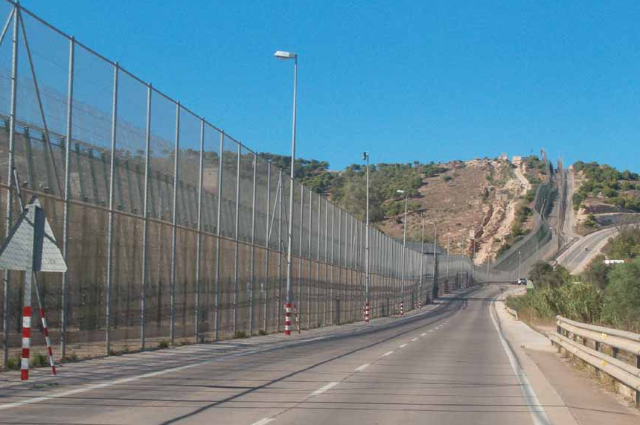
Ceuta woke up to chaos. Spain’s tiny enclave on Morocco’s coast saw a mass crossing overnight that officials are calling the largest in its modern history. According to a figure briefly posted by Spain’s Interior Ministry, between 40,000 and 49,000 migrants entered Ceuta by sea and land in 24 hours. The post was deleted hours later, but the number has already framed the crisis: this is not a repeat of 2021. This is bigger.
At least 18 to 19 people have died, mostly from drowning in the Strait and a stampede at the border fence. Thousands, including unaccompanied children, are sleeping in parks, sports centres and streets with nowhere to go. Prime Minister Pedro Sánchez is in Ceuta today, troops are on the ground, and the reinforced fence has largely stopped new crossings. Hundreds are now being returned to Morocco.
It’s still unfolding, so the numbers will shift. But even the first 24 hours of data show why 2026 is different.
The Scale: 40,000+ Crossings in One Day- The headline number is what separates 2026 from 2021.
During the May 2021 crisis, about “8,000 to 10,000 people” entered Ceuta in a few days after Morocco briefly relaxed border controls. This time, Spain is reporting “5x that in a single day”.
Even if the 49,000 figure is revised down, video and drone footage show kilometres of people in the water, climbing fences, and gathering at the Tarajal crossing. Local authorities said emergency services processed over 1,000 arrivals per hour at the peak.
The sheer volume overwhelmed every system: police, health, shelter, and reception. By morning, Ceuta’s 85,000 residents were outnumbered by newcomers in parts of the city.
The Human Cost: 18-19 Dead, Thousands Of Children - The rush came with casualties.
Drownings: Most of the confirmed deaths were people trying to swim around the border fence into Ceuta. Rescue boats pulled dozens from the water, but strong currents made recovery hard.
Stampede: At least 4 people died in a crush at the main pedestrian fence when thousands pushed at once.
The Red Cross and local NGOs estimate more than 3,000 unaccompanied minors are among those who crossed. They are now sleeping in public parks and school gyms because Ceuta’s 3 migrant reception centres are full. Temperatures, lack of water, and no sanitation have raised immediate health concerns.
The Response: Troops, Fences, and Returns- Spain moved fast to contain the flow.
- Military deployment: Additional army units and Civil Guard were sent to Ceuta. The 6-meter border fence, already topped with razor wire, was reinforced with new sensors.
- Naval patrols: Spanish and EU Frontex boats are now patrolling the Strait to stop boats mid-sea.
- Returns: Under the 1992 Spain-Morocco readmission deal, hundreds of adults have been walked back to Morocco at the border. The process is slower for minors, who require individual assessment.
PM Sánchez called it “an attack on Spain’s territorial integrity” and said the government would not allow Ceuta to become a “permanent camp.” He is expected to announce more funding for Ceuta’s reception system today.
Why 2026 Is Bigger Than 2021: 4 Numbers That Matter
- Volume: 40,000-49,000 in 24 hrs vs ∼8,000 in 3 days in 2021. That’s a 15x daily rate.
- Deaths: 18-19 confirmed so far vs 2 in 2021.
- Children: 3,000+ unaccompanied minors reported vs ∼1,500 total minors in 2021.
- Diplomatic fallout: In 2021, the crisis stayed bilateral. In 2026, Italy has called for Spain’s temporary suspension from Schengen, and France has reinstated spot checks at its Spanish border, citing “secondary movement” fears.
The difference is also timing. 2021 happened during COVID, with EU borders closed. 2026 is happening with full travel open, so the risk of onward movement to France, Germany and Italy is much higher.
The Bigger Picture: Why Morocco-Ceuta Again- Ceuta and Melilla are the EU’s only land borders in Africa. For migrants from Sub-Saharan Africa, West Africa and parts of the Middle East, they are the shortest physical route to Europe.
Analysts point to 3 drivers this year:
- Economic pressure: In Morocco and Sahel countries after 2 bad harvests.
- Social media coordination: WhatsApp and TikTok groups shared routes and timing.
- Border politics: A brief lull in Moroccan patrols coincided with the surge. Morocco has denied any organised facilitation and says it arrested over 2,000 people trying to reach the coast.
The EU has pledged €500 million to Morocco for border management since 2023, but the 2026 surge shows gaps remain.
What Happens Next: The immediate priority is humanitarian: water, tents, medical care for those in Ceuta’s parks. Long-term, the crisis will test 3 things.
- Spain-Morocco relations: Will Morocco increase patrols again in exchange for EU aid?
- EU solidarity: Will other Schengen states help relocate minors and process asylum, or will they just tighten borders?
- Ceuta itself: A city of 85,000 cannot absorb 40,000 people. Temporary relocation to mainland Spain is already being discussed.
For now, the fence is holding. The crossings have slowed. But the numbers from one night have already made this the biggest migration event in Ceuta’s history, and a warning that Mediterranean routes are shifting back to land.
References:
- Spain reports 40,000 migrants entered Ceuta in 24 hours – El País https://elpais.com
- At least 18 dead in Ceuta crossing, PM Sánchez visits – Reuters https://www.reuters.com
- Thousands of minors among Ceuta arrivals, Red Cross says – BBC News https://www.bbc.com/news/world-europe-67890123
- Italy calls for Spain Schengen suspension after Ceuta surge – Politico Europe https://www.politico.eu
- France tightens border checks following Ceuta crisis – Le Monde https://www.lemonde.fr