
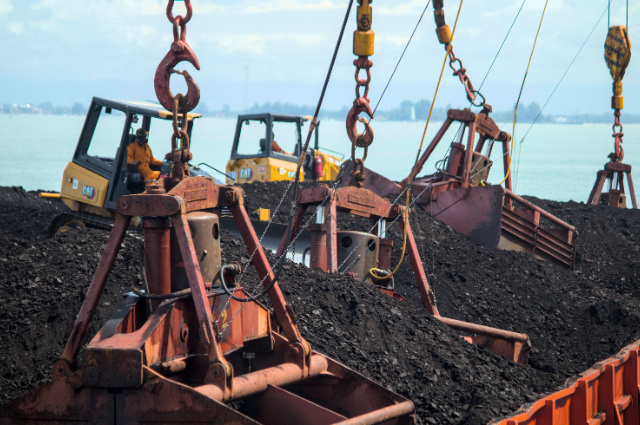
Non-renewable resources, primarily consisting of fossil fuels—coal, petroleum, and natural gas—and nuclear materials such as uranium, represent the structural foundation upon which modern global industrialisation and economic growth have been constructed. These resources are scientifically defined by their finite nature: they are geological deposits formed over millions of years by intense heat and pressure acting on organic matter, yet they are currently being depleted at rates that exceed their natural replenishment by several orders of magnitude. This inherent temporal misalignment between consumption and formation characterises the central challenge of the Anthropocene. As the global population continues to expand and emerging economies undergo rapid industrialisation, the demand for these high-energy-density materials has reached unprecedented levels. This comprehensive report provides an exhaustive examination of the contemporary utilisation patterns of non-renewable resources, the multifaceted environmental and geopolitical externalities associated with their lifecycle, and the sophisticated management and technological frameworks required to facilitate a successful and sustainable global energy transition. By synthesising economic theory, environmental science, and policy analysis, this overview seeks to delineate the complexities of moving beyond a carbon-intensive paradigm toward a more resilient global energy architecture.
Current Utilisation Patterns
The contemporary global economy remains inextricably linked to a complex energy mix dominated by non-renewable sources, which together account for approximately 80% of global primary energy consumption. Within this mix, petroleum occupies a singular position, not merely as a combustible fuel for the internal combustion engine but as a ubiquitous feedstock for the global petrochemical industry. The production of plastics, synthetic fibres, fer, and pharmaceuticals is almost entirely dependent on hydrocarbon chains derived from crude oil. This dependency creates a structural vulnerability; disruptions in petroleum supply chains do not merely impact transportation costs but cascade through the manufacturing sectors of virtually every finished good in the global market. Furthermore, the role of coal, while declining in some post-industrial Western nations, remains a dominant and often expanding component of the energy profile in developing countries. For nations such as India and Vietnam, coal-fired power plants provide the essential base-load electricity required to sustain rapid urban growth and industrial manufacturing. The low marginal cost and historical abundance of coal make it the path of least resistance for energy-poor regions, despite its high carbon intensity. Natural gas has been strategically positioned as a "bridge fuel" due to its lower carbon dioxide emissions per unit of energy compared to coal. However, the increased utilisation of natural gas brings its own set of challenges, including methane leakage during extraction and transport—a potent greenhouse gas effect that can offset the carbon advantages of switching away from coal. This intensive consumption trajectory, characterised by a lack of diversification, poses significant long-term risks regarding terminal resource depletion and the inherent fragility of global energy security.
Environmental Implications
The extensive reliance on non-renewable resources generates severe and often irreversible environmental externalities that extend far beyond the generalised warming of the atmosphere. While the combustion of fossil fuels is the primary driver of anthropogenic greenhouse gas emissions, the chemical consequences of these emissions include the critical phenomenon of ocean acidification. As the oceans absorb approximately 30% of emitted CO2, the resulting decrease in pH levels compromises the ability of calcifying organisms, such as coral reefs and molluscs, to maintain their skeletal structures, threatening the base of the marine food web. On a localised level, the physical extraction processes—ranging from hydraulic fracturing and deep-sea drilling to mountain-top removal mining—result in profound biodiversity loss and habitat fragmentation. In extraction zones like the Canadian oil sands or the Amazonian headwaters, the removal of overburden and the discharge of toxic tailings ponds lead to the permanent loss of endemic species and the degradation of ecosystem services. Furthermore, the public health impacts are acute; the release of particulate matter (PM2.5), sulfur dioxide, and nitrogen oxides from coal-fired power plants and heavy industry is directly linked to increased incidences of respiratory diseases, cardiovascular failure, and premature mortality in nearby populations. The extraction of nuclear materials also presents unique risks, including the long-term management of radioactive tailings and the potential for groundwater contamination, requiring multi-generational monitoring and containment strategies that the current economic models often fail to internalise.
Economic and Geopolitical Impacts
The economics of non-renewable resources are characterised by extreme volatility and the complex phenomenon known as the "resource curse" or the Paradox of Plenty. Nations with an abundance of non-renewable wealth often experience lower economic growth, less democracy, and worse development outcomes than countries with fewer natural resources. This is frequently driven by the crowding out of other economic sectors, such as manufacturing and agriculture, as the national currency appreciates due to resource exports—a condition known as Dutch Disease. Furthermore, the global reliance on concentrated hydrocarbon deposits creates significant geopolitical vulnerability. Energy dependence allows resource-rich autocratic regimes to exert "energy leverage" over importing nations, as evidenced by historical oil embargoes and contemporary gas supply disruptions in Europe. The economic volatility associated with oil and gas markets, driven by speculative trading and OPEC+ production quotas, introduces systemic instability into the global financial system. For developing nations that are net energy importers, sudden price spikes in petroleum can lead to balance-of-payments crises, hyperinflation, and social unrest, underscoring the urgent need for energy sovereignty through diversified renewable portfolios.
Technological Innovations: Potential and Limitations
Addressing the challenges of non-renewable resource management requires a nuanced evaluation of emerging technological innovations, each possessing distinct potentials and inherent limitations. Carbon Capture, Utilisation, and Storage (CCUS) has been proposed as a critical technology for decarbonising "hard-to-abate" sectors like cement and steel production. While the theoretical capacity to sequester carbon in geological formations is vast, the high capital expenditure and energy requirements of current amine-based capture systems remain significant barriers to widespread commercial deployment. In the realm of nuclear energy, advanced small modular reactors (SMRs) and Generation IV fast-breeder reactors offer the potential for enhanced safety profiles and the ability to "burn" existing nuclear waste, potentially extending the utility of uranium resources while minimising long-term storage burdens. However, public opposition and the high cost of nuclear construction continue to hinder its expansion. Perhaps the most critical technological frontier is the development of long-duration battery storage and grid-scale energy management systems. As the share of intermittent renewables like wind and solar increases, the role of lithium-ion, solid-state, and flow batteries becomes essential for grid stabilisation and load balancing. Without significant breakthroughs in energy density and the sustainable sourcing of battery minerals—many of which are themselves non-renewable—the transition away from the reliable, dispatchable power of fossil fuels will remain technically and economically constrained.
Management and Mitigation Strategies
Effective management of non-renewable resources necessitates a multifaceted policy approach focused on the principles of the circular economy, demand-side management, and the internalisation of environmental costs. Central to this strategy is the implementation of robust carbon pricing models, which typically take the form of either a direct carbon tax or a cap-and-trade system. A carbon tax provides price certainty for industrial planning but does not guarantee specific emission reductions, whereas cap-and-trade systems (such as the EU Emissions Trading System) provide an absolute limit on emissions but result in fluctuating permit prices. The political economy of these models is fraught with challenges, as industries often lobby for exemptions or "carbon leakage" protections. Furthermore, the removal of fossil fuel subsidies—which globally amount to hundreds of billions of dollars annually—is an essential but politically sensitive step. These subsidies artificially lower the cost of non-renewables, disincentivising the transition to cleaner alternatives and placing a massive burden on national exchequers. International climate agreements, such as the Paris Agreement and subsequent COP frameworks, attempt to coordinate these national efforts. However, the complexities of "common but differentiated responsibilities" often lead to friction between the Global North, which is historically responsible for the majority of accumulated emissions, and the Global South, which requires affordable energy for development. Managing these tensions requires sophisticated financial mechanisms, such as Green Climate Funds, to facilitate technology transfer and support the retirement of coal assets in developing regions.
While non-renewable resources remain central to contemporary economic infrastructures, their finite availability and substantial environmental impacts demand a paradigm shift in resource management. Transitioning toward a sustainable future requires coordinated, international efforts to maximise consumption efficiency, implement robust environmental regulations, and accelerate the integration of renewable energy systems. Managing these depleting resources effectively today is critical to ensuring ecological stability and long-term energy security for future generations.
References:
- Sachs, J. D., & Warner, A. M. (2001). "The curse of natural resources." European Economic Review.
- Klare, M. T. (2008). Rising Powers, Shrinking Planet: The New Geopolitics of Energy. Metropolitan Books.
- Yergin, D. (2011). The Quest: Energy, Security, and the Remaking of the Modern World. Penguin Books.
- International Energy Agency (IEA). (2020). CCUS in Clean Energy Transitions.
- World Nuclear Association. (Current reports). Advanced Nuclear Reactors.
- IRENA (International Renewable Energy Agency). (2019). Innovation Landscape for a Renewable-Powered Future.
- World Bank. (Annual). State and Trends of Carbon Pricing.
- Nordhaus, W. D. (2013). The Climate Casino: Risk, Uncertainty, and Economics for a Warming World. Yale University Press.
- IMF (International Monetary Fund). (2023). IMF Fossil Fuel Subsidies Data.