
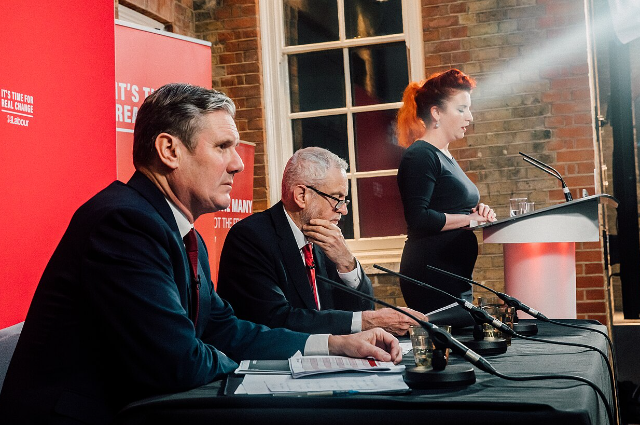
On 22 June 2026, British Prime Minister Sir Keir Starmer walked out of 10 Downing Street and made an announcement that many political observers had anticipated but few expected to happen so soon. Standing before the cameras, he confirmed that he would resign as leader of the Labour Party and, consequently, as Prime Minister once a successor was elected. His decision marked yet another dramatic leadership change in British politics, making him the country’s seventh prime minister to leave office within a decade.
Starmer’s resignation came less than two years after Labour secured one of its biggest electoral victories in modern history. In July 2024, the party ended fourteen years of Conservative rule with a commanding parliamentary majority, promising stability, economic renewal, and better public services. Expectations were high. Many believed Starmer would usher in a new political era after years of Brexit disputes, leadership crises, and economic uncertainty. Instead, his premiership became a reminder of how quickly political fortunes can change.
The immediate trigger for Starmer’s resignation was not a general election defeat but growing pressure from within his own party. Labour’s disappointing performance in the 2026 local elections raised alarm among MPs, many of whom feared the party was losing public confidence much faster than expected. Reform UK made significant gains in several councils, while Labour suffered heavy losses that many viewed as a warning sign ahead of the next general election. Although local elections do not determine who governs Britain, they often serve as an important measure of public sentiment.
Political pressure intensified over the following weeks. Senior Labour figures questioned whether Starmer remained the party’s strongest electoral asset. Media reports described increasing unrest among Labour MPs, with discussions about leadership becoming more frequent. The by-election in Makerfield further fuelled speculation that the party wanted a fresh direction. As Greater Manchester Mayor Andy Burnham returned to Parliament and emerged as the clear favourite to succeed Starmer, the debate shifted from whether there would be a leadership contest to how quickly the transition would occur.
In his resignation speech, Starmer acknowledged this reality with notable restraint. Rather than blaming colleagues or political opponents, he said he had listened to his parliamentary party and accepted that he was no longer the right person to lead Labour into the next general election. He described the decision as deeply personal, thanked his family for their support, and reflected on his achievements during his time in office. The speech was widely viewed as measured and dignified, avoiding the bitterness that has characterised some previous political resignations in Britain.
Despite leaving office, Starmer defended his record. He argued that his government had inherited a country facing economic instability, pressure on public services, and declining public trust in politics. He highlighted measures aimed at reducing NHS waiting lists, tackling child poverty, strengthening Britain’s international partnerships, and rebuilding Labour after its heavy defeat in the 2019 general election. He also maintained that his government had restored credibility in areas such as defence, national security, and fiscal responsibility. Supporters argue these achievements laid important foundations, even if they did not translate into lasting political popularity.
However, many voters remained unconvinced. Throughout his premiership, opinion polls consistently showed declining approval ratings. Critics argued that Labour had struggled to deliver visible improvements in living standards while households continued to face pressures from inflation, housing costs, and stagnant economic growth. Others believed the government lacked a clear political identity, appearing cautious rather than ambitious. Analysts noted that while Labour had won the 2024 election largely because of widespread dissatisfaction with the Conservatives, maintaining public support required delivering noticeable change within a relatively short period.
Political analysts caution against reducing Starmer’s resignation to a single cause. Rather than one policy failure or one electoral setback, his departure reflected a combination of declining popularity, disappointing local election results, growing internal dissatisfaction, and concern among Labour MPs about future electoral prospects. British parliamentary politics differs from presidential systems because party confidence plays a central role in determining political leadership. A prime minister who loses the confidence of their own parliamentary party often finds it difficult to remain in office, even without losing a general election.
Starmer’s resignation also illustrates the increasingly volatile nature of British politics. Since the Brexit referendum in 2016, the United Kingdom has experienced an unusually rapid succession of prime ministers, reflecting deep political divisions and growing public frustration with successive governments. Frequent leadership changes have become a defining feature of British politics over the past decade, raising questions about political stability and long-term policymaking. Starmer’s departure added another chapter to this period of uncertainty.
Attention has now shifted to Labour’s leadership contest. Andy Burnham quickly emerged as the leading candidate after returning to Westminster, with several senior Labour figures publicly supporting his bid. Burnham has promised to preserve Labour’s commitment to fiscal discipline while offering a renewed focus on regional development, public services, and economic growth. His challenge will be to rebuild public confidence while maintaining party unity after a turbulent period.
The transition is significant not only for Labour but also for Britain’s broader political landscape. With the next general election due by 2029, the new Labour leader will have limited time to improve the government’s standing and convince voters that the party deserves another term in office. Opposition parties, particularly Reform UK and the Conservatives, are expected to use Labour’s leadership change as evidence that the government has struggled to maintain public confidence. Whether Burnham, or any successor, can reverse that narrative will shape British politics over the coming years.
Ultimately, Keir Starmer’s resignation reflects the demanding realities of parliamentary democracy. Winning an election can bring overwhelming public support, but sustaining that support requires consistent political momentum, effective governance, and continued confidence from both voters and one’s own party. Starmer leaves office having achieved Labour’s return to power after fourteen years in opposition, yet also as another reminder that electoral victories alone do not guarantee political longevity.
History will ultimately decide how his premiership is remembered. Some will argue he stabilised a party recovering from years of internal conflict and restored it to government. Others will view his tenure as a missed opportunity to deliver the transformative change many voters expected in 2024. What remains undeniable is that his resignation marks another pivotal moment in Britain’s evolving political story and opens a new chapter for the Labour Party as it prepares for its next leader.
References:
- https://www.reuters.com
- The Guardian. Keir Starmer’s resignation speech: the six key takeaways.
- Sky News. The charts that tell us why Starmer resigned.
- Al Jazeera. Why has Keir Starmer resigned as UK prime minister?
- ABC News Australia. Sir Keir Starmer resigns as British prime minister – live coverage.
- Reuters. UK’s likely next leader Burnham commits to existing fiscal rules.