
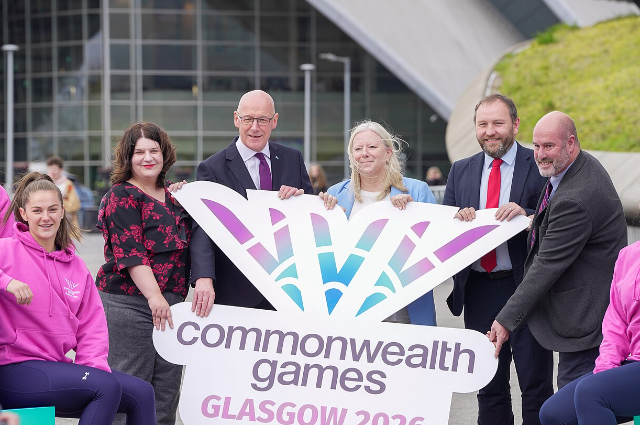
India secured a 4th-place finish in the Glasgow 2026 Commonwealth Games with 39 medals, of which 13 were Gold, 17 were Silver, and 9 were Bronze. When it comes to medals won at Birmingham 2022, that figure pales in comparison to India's 61 medals. But the number means something more than what it is. For Glasgow was a very different Commonwealth Games; not only was the host city reduced in size, but several events that India traditionally medalled in were cut from the sporting programme.
A late gallop was used to clinch the win. It was a day to produce 16 medals, which led India to move into fourth place. The nation eventually came in last place behind Australia, England and Canada. This was a good result for a contingent that was not competing for many of the medals it had enjoyed at previous championships.
The most crucial context is the Games themselves. Glasgow only had 10 sports, with India's traditional strengths not being well represented. Wrestling, badminton, table tennis, hockey and shooting – among other sports were missing. It's important because over the years, these sports have provided a huge proportion of the Commonwealth medals for India. It's not quite a fair comparison to draw between 39 medals in Glasgow and 61 in Birmingham, however. In reality, India was playing a different medal game.
Boxing was the most obvious illustration of the adaptability of Indian people. It was India's most successful sport in Glasgow, with 10 medals won (7 Gold and 3 Silver). It was also India's most successful-ever Commonwealth Games boxing team. Significantly, all ten Indian boxers who qualified for the medal bouts have come back with a podium finish, a testament to both the power and the consistency of the team.
It wasn't just the big names that struck it big. Young guns like Preeti Pawar, Jaismine Lamboria, Priya Ghanghas, Sakshi Chaudhary and Arundhati Choudhary clinched gold medals while the veteran boxer Lovlina Borgohain secured a silver. All this culminated in a healthy reminder that Indian boxing is not relying on any single star or two.
One positive aspect of this campaign was the achievement of Indian para athletes. India secured a total of seven para medals, of which three were gold, two silver and two bronze. Remarkably, this equalled the nation's all-time total of medals won at the previous Commonwealth Games. Out of those medals, six came in Para athletics alone, which capped a prolonged drought for India in the sport.
This progress is especially significant as para sport is now an integral part of India's sporting legacy. The Glasgow results indicate that investment and focus on para sports in India are bearing fruit in major international events in para athletics, para swimming and para powerlifting. Seven medals don't make a defining table, but they mean more than just the numbers.
Personal performances were the icing on the cake in the campaign. Gulveer Singh won the silver in the 10,000 metres and the bronze in the 5,000 metres, making him the first Indian to win two track medals at an Olympic Games. Tejaswin Shankar became the first Indian to secure a medal in the Decathlon at the Commonwealth Games as well.
Weightlifting continued to provide India with a reliable source of success. Mirabai Chanu defended his gold at the Commonwealth Games, adding another gold to her excellent three straight Commonwealth Games golds. Her feat highlighted the role of experienced sportspersons in the Games, which did not include several traditional Indian sports.
There were some disappointments as well, especially in athletics, where not all the medal faves made the grade to the podium. Neeraj Chopra was back from injury and took home the silver. It's an interesting mix to keep in mind, as few games are a clear-cut victory. Some athletes do as expected, others do unexpectedly, and some leave with the knowledge that next time they will do better.
In conclusion, India's fourth-placed finish in Glasgow should be analysed on its merits, not by comparison. This 39-medal tally was less than the 61 taken by Birmingham, but India managed to do so in a Games without some of its niche medal sports. An unprecedented boxing campaign, an historic judo and athletics effort, ongoing achievements in weightlifting and an unprecedented para campaign counterbalanced it.
But there is a bigger reason for Glasgow being important to India. What India had achieved was brought to the fore instead of what it will be able to produce next during the closing ceremony. In 2030, Ahmedabad will host the Commonwealth Games, and India will once again be at the heart of the Commonwealth's sporting discourse. It's not quite the end of the world, but rather a test run for Glasgow.
India's Glasgow finish is fourth, but the number of medals gained is more telling: 39 without a lot of the sports India is known for. With boxing's rise, the development of the para-athletes and the introduction of new individual medallists, India may be in a much stronger position in Ahmedabad 2030 than it was at Glasgow. The medal table provides us with the position of the Indian team. The shows give indications of where it is going.
References:
- Glasgow 2026 Official Medal Table
- Olympics.com: India at Commonwealth Games 2026
- World Boxing: India Tops Boxing Medal Table at Glasgow 2026
- Rediff Sports: India’s 39-Medal Glasgow Campaign
- The Economic Times: India Signs Off Glasgow Campaign With 39 Medals