
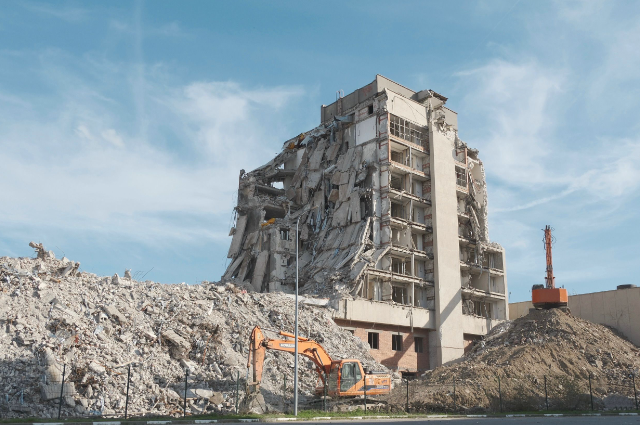
A building can be demolished in a day. A criminal network cannot.
That is perhaps the biggest lesson emerging from the alleged gang rape and trafficking of a 13-year-old girl in Rajasthan's Sri Ganganagar. While bulldozers brought down four hotels linked to the case within days, the larger questions raised by the incident remain standing.
According to the police investigation, the girl went missing in June 2026 after she was allegedly lured away by an e-rickshaw driver. Investigators allege that she was subsequently sold to a hotel operator and taken across multiple hotels over five days, where she was repeatedly sexually assaulted by more than 30 men before being rescued. The case has led to multiple arrests, with investigators continuing to trace others allegedly involved.
The allegations are horrifying on their own.
But beyond the brutality of the crime lies another uncomfortable reality- such offences rarely happen in isolation.
For a child to allegedly be moved across several locations over several days, a chain of people and failures must exist. Some commit the crime, those who facilitate it, those who profit from it, and sometimes those who simply choose not to question what they see.
That is what makes trafficking different from many other crimes. It functions like a network. The demolitions that followed the arrests were widely welcomed by many who saw them as swift action against those responsible. Heavy machinery reduced the hotels to rubble, and the visuals quickly became the defining images of the government's response.
Yet demolishing a building does not automatically dismantle the ecosystem that allowed it to operate. Investigations following the case brought attention to another disturbing issue. Authorities found that Sri Ganganagar had a large number of hotels allegedly operating without proper permissions or regulatory compliance. Reports suggested that more than 150 such establishments existed in the district. That discovery raises questions extending far beyond this single case.
How do so many businesses continue functioning outside regulatory oversight?
How often are inspections conducted?
Were complaints ignored?
Could stronger monitoring have detected irregularities earlier?
These questions matter because organised crimes often flourish where regulation is weak and accountability is inconsistent.
The case has also triggered widespread public anger across Rajasthan. Citizens have demanded the harshest possible punishment for those found guilty, while political parties and civil society groups have called for greater police accountability and stronger mechanisms to prevent trafficking and crimes against children.
Public outrage is understandable.
But outrage alone cannot replace investigation.
As emotions intensified, another challenge surfaced.
Social media became flooded with claims, photographs and videos claiming to show details of the case. Several of these posts were later found to be false. Fact-checkers and Rajasthan Police clarified that some viral images were unrelated to the incident, while fabricated narratives spread rapidly across messaging platforms.
This has become a familiar pattern in high-profile criminal cases.
The investigation moves carefully.
The internet moves instantly.
The danger is not merely misinformation. False narratives can compromise investigations, mislead the public and inflict further trauma on survivors and their families. In cases involving children, protecting identity and privacy is not only an ethical responsibility but also a legal one.
Perhaps the most important lesson from Sri Ganganagar is that crimes against children rarely expose just one offender.
They expose an entire system.
A system where illegal businesses can allegedly function for years.
A system where trafficking networks exploit vulnerabilities.
A system where oversight may fail before the crime is ever reported.
The hotels that were demolished may no longer exist.
But the questions they leave behind remain.
Who enabled these establishments to operate?
Were regulatory authorities aware of irregularities?
What safeguards failed before the child was rescued?
And what changes are needed to ensure that another child is never placed in the same situation?
Justice is not measured by the speed of a demolition. It is measured by whether the institutions responsible can identify every link in the chain, hold every offender accountable through due process, and close the gaps that allowed the alleged crime to occur in the first place. Bulldozers can remove walls. Only accountability can dismantle a network.
References:
- The Indian Express – Coverage of the Sri Ganganagar case, arrests, investigation and demolition of hotels.
- India Today – Reporting on the investigation and developments in the alleged trafficking and sexual assault case.
- Rajasthan Police / India Today Fact Check – Clarifications on misinformation and false viral content related to the case.