
India is once again among the lowest-performing countries in a global study on environmental sustainability. According to the Environmental Performance Index (EPI) 2026 published by the researchers at Yale and Columbia Universities, India occupied the 176th position out of 177 countries in the EPI 2026. Only Laos (22.42) placed lower in this index than India.
Estonia emerged as the top performer in the EPI. With a score of 74.79, Estonia is best in terms of environmental performance. India, on the other hand, ranks low on the EPI ranking with a score of 22.46. The analysis shows that although India has made numerous efforts to mitigate environmental damage, its performance when it comes to air pollution and biodiversity is far from being satisfactory, which explains its low rank in the list.
The EPI uses 58 indicators in 11 issue categories to evaluate the environmental sustainability of 177 countries. India’s rank in the EPI was 174th in environmental health, 171st in ecosystem vitality and 130th in climate change. In terms of biodiversity and habitat, India’s rank was among the lowest on this ranking. India is one of the 17 most biodiverse countries on earth. It is reported to be home to about 8 per cent of all species on the planet. Yet, the situation is far from being alarming for the biodiversity of India. According to the analysis, India is not doing well on this particular aspect of environmental sustainability.
India is home to an extraordinary range of ecosystems, including the Himalayas, tropical forests, mangroves, wetlands, grasslands, coral reefs, and deserts. Its ecosystems support thousands of species of plants and animals, including the Bengal tiger, Indian elephants, snow leopards, one-horned rhinoceros, and many more.
Unfortunately, many of these species and their habitats are currently under threat. Urbanisation, the construction of new roads and railways, forest fragmentation, poaching, and mining are some of the main reasons why India’s biodiversity loss remains a serious concern. Moreover, water pollution and the destruction of wetland habitats and the impact of climate change on the ecosystem have contributed to the decline in biodiversity.
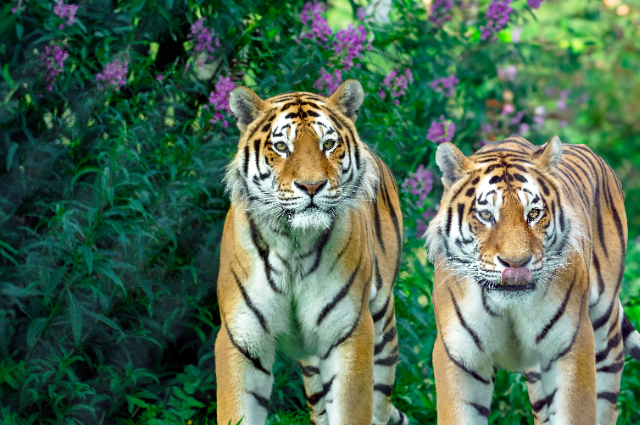
Due to increasing awareness of the crisis, India has seen considerable conservation success. In particular, India has recorded significant growth in its tiger population over the past two decades thanks to the government’s tiger conservation programs. However, experts say that despite having an extensive network of protected areas and national parks, India continues to struggle with protecting its biodiversity, including marine life, coastal ecosystems, grasslands, and wetlands.
Air pollution is India’s main environmental challenge, contributing to the country’s low score in terms of environmental health.
Many of India’s cities are among the most polluted worldwide. High levels of particulate matter (PM2.5) from power plants, factories, agricultural activities, cars, and the burning of coal are just some contributors to the air that millions of Indians breathe every day. In fact, air pollution is estimated to contribute to more than one million premature deaths in India annually.
India is the world’s second-biggest consumer of coal. Coal provides 70-75% of the electricity in India. While the country has made remarkable efforts to increase its reliance on cleaner and sustainable resources, experts believe that its rapidly growing demand for electricity makes it difficult to phase out coal in favour of wind, solar, and other alternatives. Moreover, the heavy reliance on coal has severe environmental and health consequences.
Being the world's 3rd largest greenhouse gas emitter in the world after China and the United States. India has made significant efforts in the last few years. However, coal continues to have a significant impact on the country's energy security policy and will offset all the efforts made to reduce emissions.
While India’s EPI score is low, the country has recorded measurable improvement. According to the index, India’s 10-year trend score was +7.47, suggesting that its environmental performance has improved over the last decade.
This means that while India’s environment still faces significant environmental challenges, it is on a positive trajectory. In particular, India’s climate score ranked 130th compared to 174th in biodiversity and 171st in environmental health. Factors contributing to this improvement likely included India’s shift toward renewable energy and enhanced energy efficiency. Furthermore, the country made considerable steps in relation to climate change mitigation, including the expansion of electric transport, the launch of the National Mission for Green Hydrogen, and the update of its Nationally Determined Contributions (NDCs).
India has expressed its concerns regarding the EPI’s methodology and transparency. After scoring the lowest possible mark in the 2022 EPI, the Ministry of Environment, Forest and Climate Change accused the researchers behind the initiative of presenting “unscientific” arguments.
The ministry noted that the EPI rankings were based on “assumptions” rather than “verified information.” Moreover, it argued that developing countries are unfairly penalised when compared to developed nations since the index takes into account climate change projections. Although similar complaints have been made this year, the EPI's authors maintain that the methodology is transparent and based on internationally recognised environmental indicators.
Being the biggest country in terms of population and one of the largest in terms of economic growth rate, our country has the seemingly impossible task of balancing between the need to preserve the country’s resources and the need for development. According to experts, this challenge is complicated by the fact that conservation and the need for economic growth are incompatible concepts.
In particular, a healthy ecosystem makes an essential contribution to the productivity of farms, forests, and fisheries. Moreover, natural resources protect the quality of air and water, regulate the climate processes, and prevent natural disasters.
India’s low rating in the EPI is yet another reminder that despite the trend of sustainable development, it continues to struggle with numerous environmental challenges. Reducing air pollution, preserving wildlife and natural habitats, restoring the vitality of the ecosystem, and transitioning to cleaner energy sources are just some of the areas in which India needs to do more to meet global sustainability standards. Nevertheless, the proper implementation of these and many other initiatives will have an even more significant positive impact on the ecosystem and public health.
However, the degree of influence will depend on the effectiveness of measures to conserve biodiversity and the implementation of innovative technologies.
References:
- https://www.globalcarbonproject.org/
- https://epi.yale.edu/
- https://www.who.int/health-topics/air-pollution#tab=tab_1
- https://www.cbd.int/countries/profile?country=in
- https://nbaindia.org/
- https://ntca.gov.in/
- https://ourworldindata.org/co2-and-greenhouse-gas-emissions
- https://www.ipcc.ch/assessment-report/ar6/
- https://fsi.nic.in/hindi/