
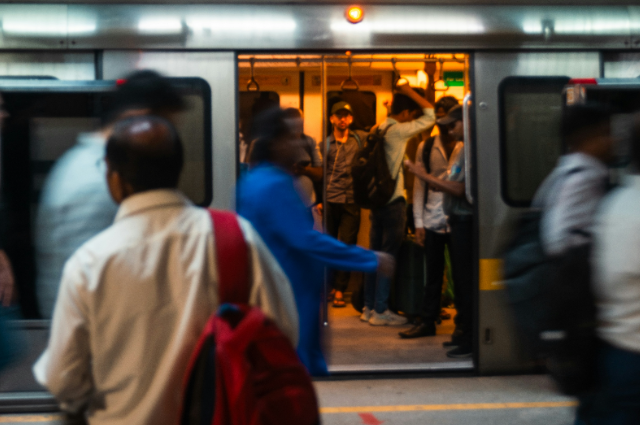
Metro stations were shut. Internet access was restricted in the capital. Roads leading to Parliament were barricaded. Yet, thousands of students and young protesters gathered in Delhi to voice their dissent.
The youth-led Cockroach Janta Party (CJP), according to reports and supporters of the movement, was formed when protesters reclaimed the word "cockroach”, which was used in a derogatory manner to refer to unemployed youth. They transformed it into a symbol of resilience and resistance and protested against the flawed examination system that has been a source of frustration for many young Indians.
The movement has now moved beyond social media, becoming a rallying point for students, government job aspirants, and young Indians frustrated with the examination system. The protesters are demanding the resignation of the Union Education Minister Dharmendra Pradhan, who they hold responsible for the failures of the examination system that has caused damage to the careers of many.
For a country where government jobs are often viewed as a source of stability and security, the leaks of examination papers have been a matter of great concern. The youth who have invested time and money in preparation for the exams face heartbreak when they are unable to take them due to the flawed system.
From Online Satire to Street Protest
The rise of the CJP reflects a changing form of the political landscape in India.
The new wave of protests is different from the ones that have shaken the country in the past. Unlike the traditional protest movements, which were largely led by institutes and established social institutions, the CJP gained followers largely through digital platforms. The movement gained traction through posts on Instagram, videos, and memes. It has been amplified by independent journalists and digital platforms like Samdish Bhatia, Peek TV, News Pinch, Sarthak Sunday, and KK Create, who have reported on the ground situations and interviewed the protest leaders.
For many young Indians, the coverage has been a way to stay updated with the happenings in the capital, apart from mainstream media. The presence of independent journalists has enabled a diverse range of voices to be heard on the platform.
Sonam Wangchuk’s Role in the Movement
Education reformist Sonam Wangchuk’s involvement has played a critical role in amplifying the call for action. As per reports, Wangchuk’s hunger strike and subsequent hospitalisation due to health concerns increased the intensity of the protests.
Furthermore, Wangchuk’s contribution has helped raise many people’s awareness about the poor conditions of migrant workers and triggered nationwide solidarity. Thousands of students and job seekers gathered in Delhi to protest against the government. For many, this was not only a protest against the examination failures but also a protest against unemployment and underemployment issues in the country. Protesters blamed the government for the difficulties faced by students and job aspirants. They demanded accountability from the government and an end to corruption in government exams.
The March Towards Parliament
The march towards Parliament became the highlight of the protest. As thousands of students and job aspirants gathered on the streets of Delhi, police tried to stop them. According to reports and videos uploaded online, the police used force to control the crowd. They used tear gas and baton charges to stop the protesters. Many protesters were arrested, including the protest leaders. The authorities argued that their actions were necessary to maintain law and order. The protesters accused the police of misusing their power. Protesters continued despite arrests and police intervention.
A Battle Over Education
At the heart of the protests is a bigger issue: the growing distrust among students toward an examination system they say has repeatedly failed them. The competitive exams have been a matter of great concern for many. For families, government jobs are a secure source of livelihood. However, the repeated cancellations and leaks of exams have caused significant discontent among the youth.
The protesters are now demanding accountability from the government and have promised to hold it responsible for the failures of the examination system.
Although the government has been willing to discuss the issue with protest leaders, many people felt that their demands for the resignation of the Education Minister have gone unheard. The negotiation will decide whether the movement will gain more strength or fizzle out completely.
The Gen-Z Protest
The CJP presents a shift in India’s protest history, one that has been inspired by social media and has seen a generation of Indians demand change, giving rise to the new media-savvy generation. Indian youth have felt frustrated and ineffective in influencing their leaders and in protesting against the government policies that affect their education, employment and prospects. The movement has shown that memes can be used as tools for change, and that social media can be used to mobilise individuals and spread awareness around shared concerns. It has demonstrated the power of the Internet in uniting people against a common cause.
It remains to be seen if it will evolve into a larger movement that will challenge the status quo. However, one thing is evident: despite the restrictions imposed by the authorities, the youth will continue to protest against the flawed system.
Whether the movement evolves into a larger political force or remains focused on examination reforms remains uncertain. However, the protests have highlighted a growing reality that India's young population is increasingly using digital platforms and public demonstrations to demand accountability.
References
- https://www.washingtonpost.com
- https://www.reuters.com
- https://www.reuters.com
- https://indianexpress.com
- https://www.aljazeera.com
- https://www.indiatoday.in
- Other independent media
- Samdish Bhatia (YouTube/Instagram)
- Peek TV
- News Pinch
- Sarthak Sunday
- KK Create