
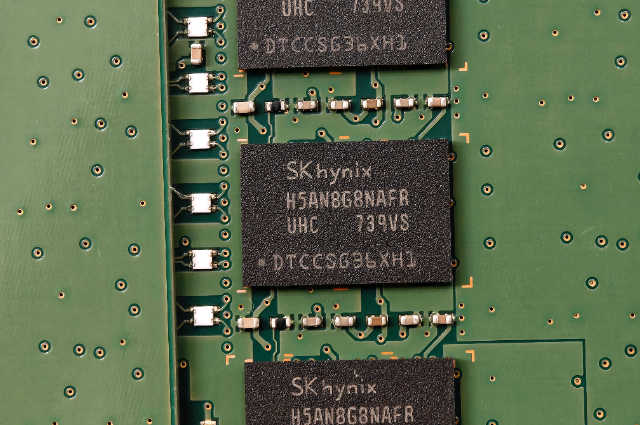
Smartphones and their evolution have followed a fairly predictable pattern over the last decade or so. New phones typically offer more storage, greater RAM and better performance, while the cost of many components tends to fall as technology matures.
All of this could change in 2026, as manufacturers grapple with soaring memory prices. The semiconductor shortages and cost increases that persisted until 2023 were primarily driven by pandemic-related supply chain disruptions. This year's crisis is different. It is being exacerbated by a fundamental shift in the dynamics of the memory market. This year, the situation is being exacerbated by a fundamental shift in the dynamics of the memory market.
The biggest winner in the memory race has been artificial intelligence. Samsung Electronics, SK Hynix and Micron, the three largest memory makers in the world, have been shifting capacities toward higher-margin HBM and other data centre memory, leaving less for smartphones and other consumer electronics. This shift is at the heart of the current shortage and makes it fundamentally different from the crisis of 2020–23
Semiconductors are the lifeblood of smartphones. Dynamic Random Access Memory, or DRAM, acts as a phone's working memory, temporarily holding the data needed by active apps and processes. NAND flash, meanwhile, provides the long-term storage used for photos, videos, apps and other files. When it comes to DRAM, smartphone makers either absorb the higher prices with lower profits, pass the costs on to consumers in the form of higher prices, lower specifications, or simply cut production.
According to Trendforce data, prices per gigabit for mobile DRAM continued their rapid rise in the second quarter. The average selling prices for the mobile DRAM standard LPDDR5X, which is used in flagship devices, jumped by 78-83% from one quarter to the next.
NAND flash, which provides the storage in smartphones, is facing similar pressure. As manufacturers prioritise more profitable data centre applications, consumer electronics companies are competing for a smaller pool of available memory. This means that both the RAM and storage inside a smartphone can become more expensive at the same time.
Such a price increase eats into the profit margins of any mobile phone maker, large or small, but it could devastate some of the smaller budget-friendly firms at the bottom of the market.
At the top of the market, companies such as Apple and Samsung have more flexibility. They have more room to absorb some additional costs because of their stronger margins and diversified businesses. However, at the lower end of the market, any significant increases in the price of components can have devastating consequences for small firms.
A small increase in the memory costs for budget-friendly phones can constitute a large portion of the overall costs for these firms. Thus, companies might be forced to reduce the amount of RAM and other components forlower-endd smartphones or raise prices for these devices. Consumers in India are already witnessing rising prices for mobile phones. TechCrunch reported that India's smartphone market is already feeling the effects of the memory shortage, with manufacturers and retailers facing rising costs. IDC expects the pressure on memory availability to continue through at least the end of 2027
Higher prices for smartphones are coming when people are expecting them to be lower in the global mobile phone market. Smartphone sales are projected to drop significantly till 2026 than the current levels according to Counterpoint Research; increasing prices of memory are expected to impact the production of manufacturers, thereby leading to higher retail prices. Consequently, the demand for smartphones may be impacted severely as customers would want to hold on to their current devices for a longer period than before. Due to a drop in the demand for new phones, the global smartphone industry may witness lower sales than previously anticipated.
Higher memory prices → higher prices for smartphones → lower demand for new phones → lower smartphone shipments → pressure on manufacturers.
Firms at the bottom of the market spectrum tend to feel the pressure first and the most. This is because their customers are much more sensitive to price changes than those who can afford higher-end devices. However, smartphones are not the only ones feeling the squeeze. The memory shortage and the rising prices of consumer electronics components have ramifications that go beyond just smartphones. PCs, TVs, and even cars use DRAM and NAND flash, meaning that higher memory prices could make a wide variety of electronics more expensive.
In other words, the same memory used to power the AI revolution will indirectly make regular electronics more expensive.
Unfortunately, there is no easy answer. Semiconductor manufacturers cannot bring significant new production capacity online overnight. Building and equipping new fabrication facilities can take years. Current industry forecasts suggest that memory supply could remain tight through 2027, although the exact timeline remains uncertain. Thus, the smartphone market could see a prolonged period of higher prices and decreased demand.
On the other hand, this situation could change if demand for AI begins to fall or if the supply of memory increases. For now, however, the dynamic remains the same: higher memory costs, especially for NAND and DRAM, lead to higher smartphone prices, reduced demand, and, ultimately, lower smartphone shipments. At the most basic level, the issue is one of priorities. The semiconductor industry has long been dominated by demand from consumer electronics. However, as of late, demand from the data centre industry has begun to surpass that of consumer electronics in several key areas. As such, the smartphone industry cannot expect to receive the same level of support from semiconductor manufacturers that it used to. Some of the memory that would have gone to smartphones now goes to data centres, leaving less for consumer electronics.
The current shortage may eventually ease, but the larger change could be harder to reverse. As AI becomes a bigger customer for the semiconductor industry, smartphones may no longer receive the same priority they once did. The memory crisis of 2026 is therefore not just a temporary problem of supply and demand; it could mark a lasting shift in the economics of the smartphone industry.
References:
- https://www.spglobal.com
- https://techcrunch.com
- https://www.idc.com
- https://www.androidauthority.com
- https://www.macrumors.com