
Climate Change has become a serious issue in the modern-day world. In various parts of the Earth, the climatic features have dramatically changed, with Earth's temperature and rainfall varying, resulting in unpredictable weather patterns, prolonged heat and unusually heavy rainfall, which have disrupted the normal rhythm of the world’s ecosystem.
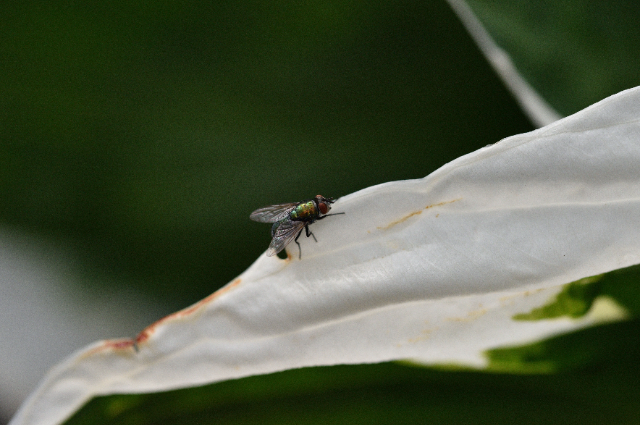
Climate Change has become increasingly visible, with cooler areas experiencing warmer temperatures, especially in North and Central America. Such climates are fostering the growth of certain devastating parasites. One such parasitic fly that has been all over the news is the New World Screwworm. Although climate change did not create this parasite, warmer climates have made it easier for it to thrive and expand.
The New World screwworm was first identified in the United States and Mexico decades ago, but both countries were successful in eliminating it by the 1960s. Yet again, this parasite has resurfaced, and multiple new cases have been reported in areas of Texas a, nd New Mexico.
The resurgence of this parasite poses a significant threat to agriculture, livestock, crops and fodder. It largely impacts agricultural productivity and also creates economic and environmental challenges.
The major challenges that agriculture faces due to the emergence of the new world screwworm are loss of livestock productivity, increased mortality of animals, and higher production costs to check and treat the infested organisms, thus harming the overall livestock industry.
The first animal case was reported on 3rd July, in La Pryor, Texas, in a three-week-old calf, whose larvae were found in its umbilical area. Following this, ch several other cases were reported where the New World screwworm was diagnosed in cattle, goats and even dogs.
However, this time the infections aren’t just limited to animals instead goes to the extent of infecting human beings as well. As of now, reports indicate almost 2070 cases of screwworms infecting human beings have been reported in Mexico and Central America.
One of the most striking features about the New World Screwworm is that its larvae feed on the living tissues of screwwormed animals instead of flesh. The female larvae lay eggs in various sites of animal bodies like the umbilical cords, open wounds and mucous membranes. After the eggs hatch into larvae, they stay on those sites and feed on them, thereby deepening and enlarging the wounds. The larvae can lay a cluster of eggs within 12 hours. As they grow, it causes inflammation and severe pain. Repeated infestations damage the tissues, eventually resulting in death.
Symptoms of New World Screwworm (NWS) infestation include larvae found in wounds or mucous membranes, enlarged wounds, irritation or bleeding and excessive licking at wounds.
NWS affects all types of species from dogs and cats to horses, cattle and even wildlife. The chances of an NWS infection are higher in cattle, followed by dogs. Stray animals are more vulnerable to such infections as they have limited access to veterinary care and infection-control treatment. As these animals live outdoors, their wounds often remain unchecked, and hence they serve as primary sites of infection and pose a risk of spreading it to other animals.
Although the NS is a parasitic fly, it is named after its larval stage because it is the larvae or the maggot that is responsible for causing the infection. These worms thrive in an average temperature between 65 and 991 degreesFahrenheit.
The US officials have found a way to combat the outbreak of NSW by supplying genetically sterile flies among the screwworm population. A program called the Sterile Insect Technique has been launched to eradicate screwworms, in which a series of sterile males would be produced to prevent mating. Under the Sterile Insect Technique, the flies hatch in closed spaces, and they are made to undergo radiation. This makes them sterile, and later on they are released into the open. Reports from the Texas Animal Health Commission reveal that almost 500 million sterile flies have been produced.
To prevent animals from getting infected by New World screwworm, the following things are necessary. Regular checkups, monitoring, and cleaning the wounds until completely healed, and veterinary treatment in case of serious wounds.
The US Food and Drug Administration has allowed the use of anti-parasitic products for treating emergency cases of NSW. Under the initiative, Beagle Brigade, officials have planned to use sniffer dogs to track down NSW insects.
The renewed outbreak of NWS has raised serious concerns among the US population. The US Department of Agriculture (USDA) has taken up preventive measures to control the outbreak. They have set up surveillance zones, 20 km-wide control zones and many areas have been quarantined. Movement restrictions have been imposed in many zones.
Despite decades of successful eradication efforts, the parasite’s return highlights how fragile disease eradication really is. This serves as a reminder that we need to develop more proactive strategies to combat such outbreaks and ensure global agriculture and food security.
References:
- https://animals.howstuffworks.com
- https://phys.org/news/2026-07-pets-world-screwworm.html
- https://www.bbc.com/news/articles/c7v9vz1gd76o