
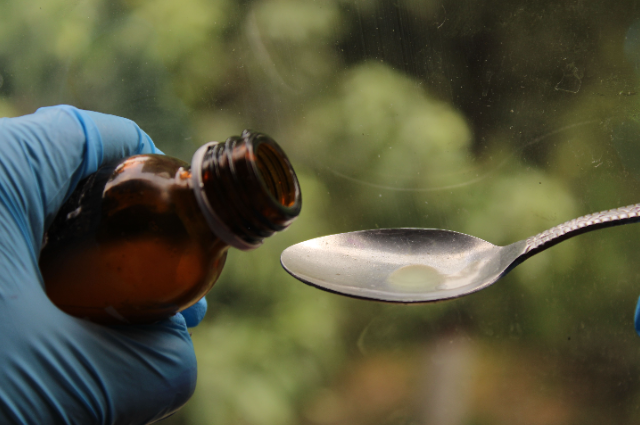
Over the past few years, serious concerns have been raised regarding food and medicinal safety in India. States like Madhya Pradesh, Gujarat, and recently Maharashtra have reported innumerable cases of consumption of contaminated food, toxic syrups and synthetic food products served to the masses. Recurring complaints, instances and statistics have been reported, and the harmful effects go beyond just illness or food poisoning and have caused deaths among the public, especially children. Milk products and cough syrups usually consumed by children have indicated the presence of toxic and hazardous ingredients.
Based on such safety concerns, the Maharashtra Food and Drug Administration (FDA) recently carried out an inspection of several drug sellers and manufacturers in the state. The investigation drive was sparked by the growing number of complaints and death cases, especially among children, which have hinted towards the consumption of unhealthy and toxic food items.
A statistical report containing related data from the last five years was presented by the body, following which licences of many drug sellers were cancelled. However, such enforcement actions were imposed recently in the last few months due to a growing number of incidents and complaints. It has been revealed that the FDI conducted 301 inspections of Ayurvedic Manufacturers, as of August 2026, the highest number in the last few years.
Several discrepancies in the pharmaceutical sector were also uncovered. At least 22 cases of child mortality were reported in which victims died due to ingestion of a cough syrup named Coldrif. Laboratory tests of the cough syrup disclosed high levels of DEG (diethylene glycol) in the syrup.
DEG is a harmful chemical solvent that causes serious problems like kidney failure and multi-organ failure in some cases. This syrup, produced by Sresan Pharmaceuticals in Tamil Nadu, was largely used by the public in Madhya Pradesh. Following such irregularities, the authorities banned the use of Coldrif in the state.
The regulatory authorities of Madhya Pradesh also curtailed the use of two other cough syrups that contained high levels of DEG: Respifresh TR and Relife Syrup. Subsequently, Maharashtra FDA suspended the sale of these two drugs.
The investigations revealed major defects in the manufacturing of drugs and pharmaceutical products. These products were being sold in the market without any proper quality checks. Due to a lack of efficient technical staff, the items were not being thoroughly tested in the laboratories. Moreover, evidence claims that these products were not properly sterilised, and the Annual Product Quality Reviews dropped as well.
FDA Maharashtra also found discrepancies with several eateries, dairy sellers and hotels. It caught many dairy stores selling expired milk products. Apparently, the products were stored in unfavourable conditions, i.e. above optimum temperatures. The authorities confiscated licenses of various retailers who were using loose milk packets which were devoid of proper packaging processes.
The FDA further cancelled the license of Mumbai's Parsi Dairy Farm. This dairy farm, which has established itself as serving pure quality milk products for decades since its inception in 1916, was caught preparing products in unhygienic conditions. Following such suspension, its daily sales dropped drastically.
New regulations were brought in by the FDA with regard to the safe consumption of food products by the public. It restricted the use, manufacture and sale of non-dairy paneer in the entire state for one whole year. All restaurants and eateries were also banned from using non-dairy paneer in making any of their items on the menu.
The regulation was enforced by Tukaram Mundhe, the Food Safety Commissioner. Any violation of this regulation will be faced with imprisonment for six months and a hefty amount of 1 lakh to be given as a fine. A penalty of 10 lakh rupees will have to be paid in case of any death incidents caused due to consumption of unsafe products.
An extensive survey was carried out in which 308 samples were sent for inspection. Out of these, 109 failed to comply with the quality standards. Moreover, a butyro-refractometer reading, which tests the purity of milk, indicated the use of synthetic or analogue paneer.
Non-dairy paneer or synthetic paneer consists of skimmed milk powder instead of pure milk; vegetable oils like palm oil and starches are mixed and bound with chemicals to give the shape and taste of fake paneer.
The FDA has enforced new rules to regulate food safety concerns. It barred the sale of HFSS (High in fat, sugar and salt) products around schools. All eateries should have a registered license verified by the authorities. Biannual inspections would be held in schools, which will assess food quality, storage and proper handling of food items.
Apart from this, stringent regulatory frameworks need to be enforced to contain such contamination. More attention should be provided in this area as this has been a growing concern over the last few years and, despite measures, the cases have only kept rising.
REFERENCES:
- https://www.news18.com
- https://newsable.asianetnews.com
- https://www.indiatoday.in
- https://healthpolicy-watch.news