
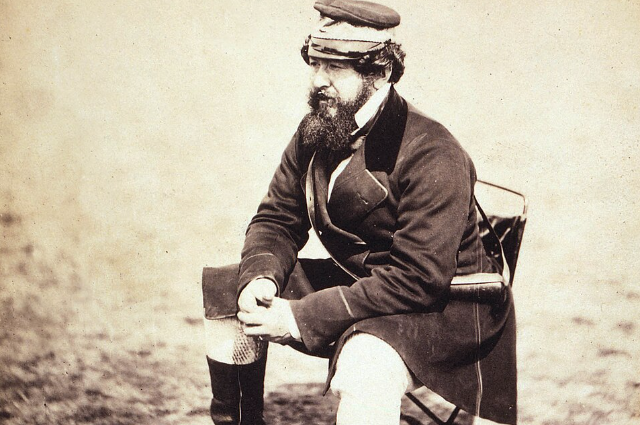
The age, which is highly influenced by politics, abuse of power, and a lack of accountability, demands a media that must be free. Apolitical media was first introduced by “William Horward Russell”. A man who, instead of following the general norms of war journalism, deliberately chose to tell the realities and truth behind the most romanticised narrative of patriotism, fueled by sheer stupidity. Russell was a reporter in “The Times” and was sent to cover the Crimean War of 1853. In previous times, reporters had published the accounts given by the officers on the field or just the official dispatches instead of digging deep and investigating more. Russell, on the other hand, was more focused and observant. His reports were based on the truths he had witnessed on the battlefield. Through his reporting, he gave a clear view of the lives of soldiers fighting in war, their living standards, and their mental and physical health.
He is considered a pioneer of Modern journalism, which is observant, politically aware, and critical of the surroundings, and along with that, brave enough to question authorities and their non-beneficial policies. In his reports, the health concerns about the soldiers were highlighted, their unhygienic conditions, the spread of cholera, and the unfair death toll due to an incompetent commander. These reports raised so many questions in the minds of the people back in the country. Unanswered questions ignite resentment, hatred, and mistrust, which then eventually led to the toppled government, “the fall of the Lord Aberdeen government in January 1855.” This episode demonstrated the immense power of a free press in a democracy. In a system “of the people, by the people, for the people,” the media plays a vital role in shaping public opinion and holding leaders accountable.
Russell was described by one of the soldiers on the frontlines, thus: "a vulgar low Irishman, [who] sings a good song, drinks anyone's brandy and water and smokes as many cigars as a Jolly Good Fellow” (Wikipedia). He is just the sort of chap to get information, particularly out of youngsters. But still feared by the governments and the officials, as he was blacklisted by many people. Apart from this, his truthful accounts inspired Florence Nightangle, a lady with a lamp who trained the nurses during the war, where she provided health care facilities to the soldiers and reduced the death rate by improving the living conditions inside the camps. His efforts not only introduced modern nursing but also made it an honourable profession. This also proves that a strong, competent military, apolitical media, and good health facilities are assets to fight the war.
Russell’s effort to deromanticise the Victorian ideology about war and peace not only influenced journalism but also modern literature. Modern dramas and novels explicitly challenge the romantic notion about war and fighting. Modern writers don’t find war chivalrous, brave, or romantic anymore. They see it through practical lenses in which people die, get injured, or barely survive while holding their traumas for life. Bernard Shaw, in his drama “Arms and the Man,” does the same as Russel but in the field of literature.
References: