
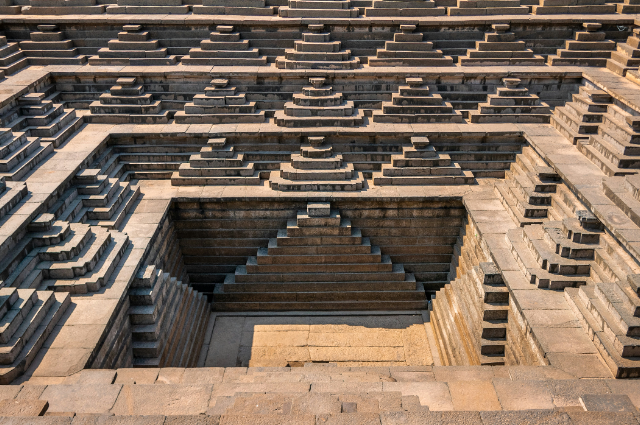
While the fish dying can be nothing new to local people and those visiting the Banganga Tank in the Walkeshwar area of South Mumbai, in early October 2026 the Brihanmumbai Municipal Corporation (BMC) carried out cleaning work and brought together priests and locals. The usual solution is to remove the fish, remove offerings, install more pumps and discuss how to prevent the issue.
In 2025, the BMC said around 10,000kg of fish were removed; however, this doesn’t just include fish; it includes lots of organic and floral offerings. While the number is often mentioned, reports do say there were lots of organic and floral items. In 2021, it was reported by The Indian Express that there were thousands of fish found in the tank, and it was noted that this wasn’t the first time.
2026
Between September 26-October 10th, the Hindu period of Pitru Paksha is celebrated. Offerings such as dumplings (flour/rice), milk, sweets, oil and flowers are made to Banganga. According to officials from the BMC, this can cause extra pollution and lower the amount of dissolved oxygen, so the fish can’t survive.
There were reports of hundreds or thousands of fish; however, to be safe it would be best to say there was a high number of dead fish.
While the BMC said in October 2026 they took samples of the water to see why the fish were dying, I couldn’t find any lab reports online. This shows we know that until these results are published, it is due to the offerings and low levels of oxygen.
The 1.2 Crore
In September 2024, reports said the BMC released a tender for 1.2 crore to de-silt the area. However, this doesn’t mean they have spent the full amount.
This was because during the rehabilitation in June 2024, the contractor damaged the heritage steps with an excavator; therefore, the contract was cancelled. Reports then said a new tender was put in place to de-silt. However, in April 2024, it was reported by The Indian Express that the de-silting was happening as part of the bigger project. This shows we can’t say the civic body spent the 1.2crore and did nothing. They have had many problems, including the tender.
De-silting is removing silt from the tank; however, this does not ensure that nothing is going in. Just because there isn’t any silt doesn’t mean there is enough oxygen. If continual
offerings are being made, including food, oil and flowers, this can cause the tank to be stressed.
Responsibilities
Banganga is a heritage site and is therefore protected by the Maharashtra Directorate of Archaeology and Museums (reported by The Indian Express in September 2025). The Trust manage the water body; however, the Gaud Saraswat Brahmin (GSB) Trust d. The BMC said they can help with the logistics and some cleaning/de-silting however do not have any administrative powers to stop the rituals.
However, there was conflicting information. The Trust rep said it is up to the Archaeology Department to manage the listed heritage structure. However, an official from the state archaeology said it is up to the Trust how they use the site. This can make it harder to stop.
This does not mean no one is responsible, but something needs to be planned. If it is predictable that every year the same thing will happen, we should know who will be organising the alternatives, managing the crowd and monitoring the water. Who has the authority to limit the rituals?
Changes after fish deaths
The BMC held a meeting with locals, priests and stakeholders. Officials decided to increase the number of artificial ponds to 10 from 5 and increase the number of pumps to 4. Water samples were taken and tested. Other reports said additional aerators, additional cleaners and increasing the flow of water.
These are good changes, but they have been made after the fish have died. Adding artificial ponds can help as an alternative offering; however, there need to be enough for crowds, easily accessible and managed. Previously, there was an attempt, but it couldn’t cope with the numbers. Unless they are actively directing people to them, adding more won’t help.
Prevention
Banganga is a sacred and sensitive water body. We don’t need to choose between the religious rituals and keeping the environment clean. We can allow the rituals to go ahead but ensure nothing is added to the main tank. The priests can explain the alternatives, and volunteers can help those visiting. Clear collection points can be set up to ensure flowers/food aren’t left in the water.
The authorities should publish the water quality throughout the Pitru Paksha. This would include how much dissolved oxygen there was before, during and after. After the fish have died, they should publish the lab results to help us understand if it is due to the lack of oxygen or other reasons. This will show whether the pumps, aerators and de-silting are helping.
Overall, the issue with Banganga is that although they have money to de-silt the tank, there is no system in place to stop the fish dying due to a known risk during this season. The tender
for the 1.2 crore was to de-silt; however, this doesn’t guarantee there won’t be any pollution in the future. As the authorities aren’t clear on who is doing what and haven’t ensured there is a system in place, the cleaning could continue to be done after damage has been done.
REFERENCES:
- The Indian Express, “Why truckloads of fishes die in Banganga every year after Pitru Paksha?” (25 September 2025) — recurrence, combined waste removal, heritage protection and management responsibilities. https://indianexpress.com
- The Indian Express, “After Pitru Paksha, 10,000 kg of dead fish, floral wastes removed from Banganga Tank” (23 September 2025) — three-day clean-up and water samples. https://indianexpress.com
- The Indian Express, “Mumbai: Dead fish found floating in Banganga Tank” (10 October 2021) — earlier fish deaths and past waste-control measures. https://indianexpress.com
- The Indian Express, “BMC to desilt Banganga Tank using remote-controlled robotic device” (30 September 2024) — ₹1.20-crore desilting tender. https://indianexpress.com
- The Times of India, “1.2cr tender for Banganga Tank desilting work floated by BMC” (29 September 2024) — tender and restoration-contract context. https://timesofindia.indiatimes.com
- Hindustan Times, “BMC doubles artificial ponds at Banganga after thousands of fish die following Pitru Paksha rituals” (6 October 2026) — artificial ponds, pumps and water testing. https://www.hindustantimes.com
- Free Press Journal, “Banganga Fish Deaths: BMC Calls Priests, Residents’ Meeting…” (5 October 2026) — BMC explanation and immediate response. https://www.freepressjournal.in