
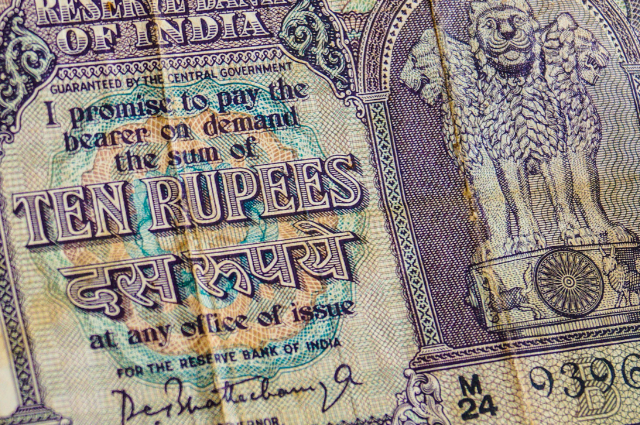
A Familiar Pattern, Only Sharper This Year
I’ve been watching the Indian rupee for years, and the pattern is hard to miss. It has been weakening against the US dollar for a long time, roughly 3.5 to 4.5 per cent a year on average since the economy opened up in 1991. That long, slow drift is almost background noise by now. What stands out in 2026 is the speed and the depth of the latest drop.
The rupee has fallen around 7 to 8 per cent against the dollar so far this year, touching a record low near 96–97 per dollar at points in May and trading around 95.7 in mid-August. That makes it one of Asia’s weakest major currencies for a second year running. The drivers are clear enough: a strong US dollar, foreign investor money leaving Indian markets, higher oil prices that swell the import bill, and the after-effects of steep US tariffs on Indian goods. The Reserve Bank of India has been intervening regularly, selling dollars and using other tools to slow the fall, but it has not been able to reverse the direction.
The Part That Caught My Attention: The Pakistani Rupee
What makes this year feel different is not only the move against the dollar. It is the move against the Pakistani rupee. Since around May 2025, the Indian currency has lost nearly 12 to 13 per cent of its value relative to Pakistan’s. Pakistan’s own rupee was battered in 2023 and has since stabilised under an IMF programme. India’s currency, by comparison, has kept sliding.
To be precise, one Indian rupee still buys more Pakistani rupees than the other way around; the Indian unit remains the stronger of the two in absolute terms. But the gap has been narrowing. The trend has been moving in Pakistan’s favour, not just against the global dollar but against India specifically. That suggests something more local is at work beneath the usual global headwinds.
Why the Rupee Keeps Losing Ground
Part of the story is external. A strong dollar lifts the value of almost every other currency relative to the greenback, and oil prices have stayed elevated, which hits India hard because it imports most of its crude. Foreign portfolio investors have been net sellers at various points, and the tariff shock from the United States has weighed on sentiment around Indian exports.
There is also a longer structural element. India’s current-account deficit, while manageable, still requires capital inflows to finance. When those inflows slow or reverse, the rupee absorbs the pressure. The RBI’s priority has been orderly movement rather than a fixed level, which means the currency is allowed to adjust when the fundamentals push it lower.
Against Pakistan, the comparison is more pointed. Pakistan’s stabilisation under IMF conditions, tighter policy, and lower inflation pressures in recent periods have given its currency a relative firmness that India’s has lacked. The result is that the cross rate has moved against the Indian side even while both currencies have faced their own challenges.
What This Actually Means
A weaker rupee is not automatically a crisis. It can help exporters by making their goods cheaper abroad, and it can discourage imports that are not essential. But it also raises the cost of everything India buys from outside: oil, electronics, machinery, and intermediate goods. That feeds into domestic inflation and squeezes households and companies that rely on imported inputs.
The relative softening against the Pakistani rupee is more psychological than economic for most people, yet it matters in the narrative. For years, the Indian currency was seen as the clearly stronger of the two South Asian units. Watching that gap narrow, even if it has not reversed, changes the conversation. It is a reminder that currency strength is relative and can shift when policy credibility, inflation control, and capital flows move in different directions.
My Own Read
I do not see this as a sudden collapse. It is the continuation of a long-running trend that has accelerated under a particular mix of global and domestic pressures. The RBI has the reserves and the tools to prevent a disorderly drop, and it has been using them. Still, the combination of a multi-year average depreciation, a sharp 2026 decline against the dollar, and the unusual softening against the Pakistani rupee makes this year worth paying attention to.
Currencies tell stories about confidence, policy, and external balances. Right now the Indian rupee’s story is one of gradual erosion against the dollar and a more noticeable relative slide against its neighbour. Neither is irreversible, but both are real. The question is whether the next phase brings stabilisation or further adjustment. For now, the direction of travel is clear enough.
References:
- Trading Economics/market data. USD/INR exchange rates and historical highs for 2026.
- Reuters and PTI reports on rupee movements, RBI intervention, and oil-price impact, August 2026.
- Fact Crescendo and market analyses on the May 2026 record low near 96.8–97 per dollar and year-to-date depreciation.
- Exchange-rate history sources (Wise, exchange-rates.org, currencyconvert.online) on INR/PKR trends 2025–2026.
- Times of India and Economic Times coverage of FY26 rupee performance and policy responses.
. . .