
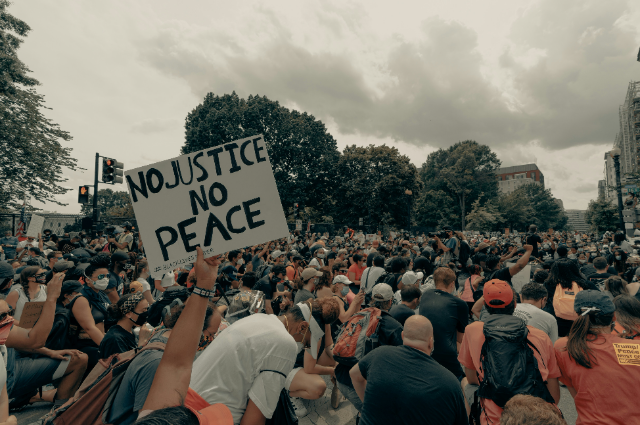
The CJP Protests, which have been ongoing for almost a month, have taken a toll, with over 10,000 students being beaten by brutal police forces, subjecting the peaceful protesters to tear gas, water cannons, lathi charges with pinned nails, and forceful manhandling of both men and women. The crisis has escalated brutally, with many youngsters seeking medical care on site, claiming to have been mercilessly punished for a cause that they haven’t committed.
The CJP or the ‘Cockroach Janata Party’ is a satirical youth-based movement, founded as a retaliation towards the degrading remarks made by the Chief Justice of India, Surya Kant, on the Indian youth, tagging them as ‘cockroaches’ and ‘parasites’ who infiltrate the governing system with their meaningless activism. The ‘party’ took its shape on May 16th with Abhijeet Dipke, a 30-year-old Indian student from the US, creating a parodic account on Instagram named ‘Cockroach Janata Party’. Although not physical in nature, the party garnered 20 million followers in days, becoming a nationwide sensation among youngsters. The movement, with its own parodic website and manifesto, claims itself as "a political front of the youth, by the youth, for the youth: secular, socialist, democratic, and lazy."
However, the active launch of the CJP beyond the satirical-digital lens to open grounds became prominent with the leakage of the NEET examination paper. On May 12th, 2026, before the formation of the CJP, the National Testing Agency (NTA) declared the cancellation of the already written NEET examination, claiming the paper to have been leaked, and declaring a re-examination.
National Eligibility cum Entrance Exam (NEET) is one of India’s most profound competitive medical exams, conducted yearly, where students, especially from middle and lower backgrounds, spend years studying, trying to acquire seats in renowned government colleges across India. However, the examination over the past 5 years has been alleged to have multiple paper leakages and re-examinations under the same ruling government. This particular fallacy has caused major repercussions for students, affecting their mental health and future education prospects, with many of them committing suicide. This year alone records the suicidal deaths of 22 students. The continued irresponsibility of the government in the prevention of such systematic failure, aggravated by contemporary challenges of unemployment, and the unaccountability of the government on various ongoing issues, promoted the youth-led movement to take matters into their own hands by leading an active protest nationwide.
The protest, which began at New Delhi’s Janata Manter, quickly became an umbrella movement consisting of parents, children, students from various backgrounds, religious leaders, artists and writers, who, in solidarity with the protesters, are actively challenging the education system, corrupt government, and its true democratic nature. The movement became more solemn with Sonam Wangchuk, a prominent Indian Engineer and Educator, who held 26 days of fast on site, making the crisis a major issue in the country.
The Gen Zs, with their unique way of resistance, have been leading the revolution across various states of India, such as Karnataka, Maharashtra, Bihar, Kerala, Mizoram, Bengal, Goa and Assam, becoming stronger day by day. Indian students studying in foreign universities have initiated rallies in support of the youth movement, from major cities like Dublin, Berlin, Edinburgh, London, etc. Recently, Indian students in the Netherlands led a peaceful rally from the Dutch Tweede Kamer to the International Court of Justice in The Hague, Netherlands. The protests, which began with a singular cause, have now become a collective plea to the government by the youth who had and has been suffering the systematic repercussions of their failed education system and increasing unemployment.
The CJP promises an end to the protests once the demands of the movement are fulfilled. They pledge the immediate resignation of the Education Minister, Dharmendra Pradhan, one core compensation for each family of the NEET aspirants who lost their sons/daughters by suicide, and the complete removal of alleged FIRs and legal cases filed against the protesting students.
However, the peaceful protest led through democratic slogans and creative measures has been interrupted by vicious police force, using excessive violent measures against youngsters, including minors. Reported incidents from the media showcase students being dragged by their limbs across harsh roads, ripped off their clothes, kicked and ambushed barbarically under the façade of professionalism. Male personnel have been alleged to have inappropriate behaviour towards female protestors and independent journalists. The governing body of Delhi has closed down 18 metro stations to prevent students from commuting. This atrocious behaviour by uniformed authorities has brought immediate concern, evoking rage against the government’s silence.
Despite worldwide recognition from international press such as Deutsche Welle, Asia One, Sky News Australia, France 24, the National media and government have been choosing deliberate silence and ignorance over accountability. Within the past month, the government has not spared a single glance at the students who demand answers from a supposedly democratic country. The claims of the students have been repeatedly dismissed by the governing body and judiciary, despite their repeated assurance of action. The recent cabinet meeting, which took place on 24th July, 2026, addressed no liability on the paper leak issue nor the ongoing nationwide protests, despite the Prime Minister’s promise to take up the matter. When questioned, the Union Minister, Ashwini Vaishnaw, replied, ‘no paper is leaking today’, making a mockery of the protesting students.
The students are firm in their decision and claim no back down until the demands are fulfilled. A formal complaint has been filed with the National Human Rights Commission seeking an inquiry into the alleged charges of police brutality.
References:
- Supporters of India's Gen Z 'cockroach' party stage first protest in New Delhi - France 24
- Cockroach Janta Party - Wikipedia
- https://www.instagram.com/p/DbLHOMbTQMt/?igsh=dWhwa3licXA0NnAy(Maktoob media)
- Why supporters of India's 'Cockroach' movement marched on parliament - ABC News
- 'We stand with Sonam Wangchuk': Indians in Berlin hold CJP protest, video goes viral | Trending
. . .