
A Holiday That Turned Into a Tragedy
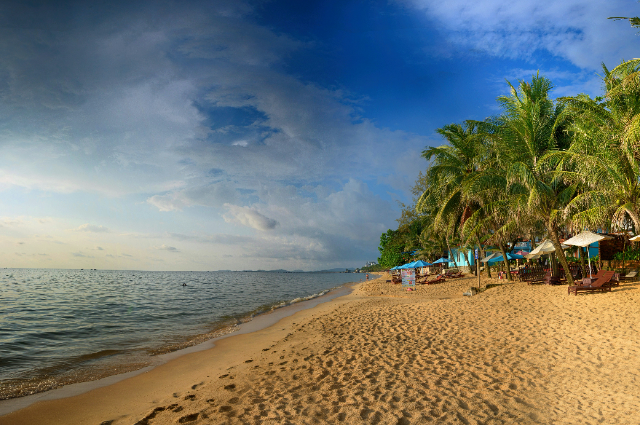
A holiday in Vietnam turned into a tragedy for a group of Indian tourists on July 11, 2026. A tourist speedboat carrying 32 Indian nationals and four local personnel overturned near Phu Quoc Island in southern Vietnam. The boat was travelling from Hon May Rut Ngoai towards An Thoi Port when it capsized around 400 metres from the island. The area is popular among tourists for island trips and beautiful beaches. But on that day, the weather at sea was rough, with strong winds and high waves.
There were 36 people on the boat. After the accident, rescue teams and nearby tourist boats rushed towards the area. Vietnamese authorities, including the Navy, Coast Guard and border guards, also joined the rescue operation. Twenty-one people survived the accident, while 15 Indian tourists lost their lives. The news shocked families in India because many of the passengers had travelled to Vietnam for what was supposed to be a happy holiday.
The accident happened very quickly. Survivors later described how the boat suddenly overturned, and people were thrown into the water. Some passengers managed to escape and were rescued by nearby boats. The Indian Embassy in Hanoi immediately started working with Vietnamese authorities. Control rooms were set up in Hanoi and Ho Chi Minh City to help the families and collect information about the passengers.
At first, officials were still trying to understand exactly what had happened and who was missing. The embassy released the list of Indian passengers who had been on the boat and continued to verify the details of those who had died and survived.
For the families waiting in India, those first hours were extremely difficult. They were not only dealing with the shock of the accident but were also waiting for confirmed information about their loved ones.
The Search for the Victims
After the accident, identifying the victims became one of the most important tasks for Indian officials and Vietnamese authorities. The Indian Embassy received information about the passengers from Vietnamese officials. As the rescue operation continued, the embassy worked to confirm the identities of those who had died.
Eventually, the embassy released the names of the 15 Indian nationals who lost their lives. According to the list, 10 victims were from Tamil Nadu, three were from Andhra Pradesh, and two were from Kerala. Two of the victims were women. For their families, the identification was a painful but important moment. Knowing the identity of a missing family member allows relatives to begin the process of bringing the person’s body back home and completing the final rituals.
The Indian Embassy also continued to assist the survivors. The bodies of the victims were moved towards Ho Chi Minh City for repatriation to India, while the surviving passengers began returning home. The tragedy also received attention because many of the passengers were connected with the Indian mobile phone company Lava. Reports said the group was part of an incentive trip involving distributors, sellers, business associates and employees.
What was meant to be a reward trip and a chance to enjoy Vietnam became a painful memory for many families. One survivor later spoke about the terrifying moments after the boat overturned. He said that around 20 people managed to escape and that he himself did not know how they survived. Such accounts showed how quickly the situation changed from a normal boat trip to a fight for survival.
Questions About Safety
As rescue operations ended, another important question began to emerge: why did the boat overturn?
The accident happened in rough sea conditions. Reports mentioned strong winds and waves that made the rescue operation difficult. The boat overturned shortly after leaving Hon May Rut Ngoai. Vietnamese authorities started an investigation into the accident. The captain of the boat, 57-year-old Nguyen Hong Hai, was taken into custody on July 12. Authorities were investigating possible violations of waterway transport safety regulations. This does not mean that the investigation had already established one final cause for the accident. Questions about the boat, weather conditions, safety procedures and the actions of the crew still needed to be examined by the authorities.
Some survivors also raised concerns about the conditions during the accident, including whether everyone had access to life jackets. Such statements made the investigation even more important because authorities needed to understand whether proper safety rules had been followed. For tourists, safety is often something they do not think about when they are enjoying a holiday. A boat ride may look like a simple and enjoyable activity. But weather conditions can change quickly, especially at sea.
The Phu Quoc accident therefore became a reminder that tourist activities also need strong safety measures. Boats must follow capacity rules, safety procedures and weather warnings. Crew members also have an important responsibility because passengers depend on them during an emergency.
At the same time, it is important not to decide the cause of the accident before the official investigation is complete. The authorities have to examine the evidence and determine what actually happened.
More than a Tourist accident
Tragedy was not only a news story about a boat accident. Behind the numbers were 15 people who had families, friends and people waiting for them at home. For the survivors, the trip may remain a frightening memory for a long time. For the families of those who died, the holiday ended with an unexpected loss.
The quick response of the Indian Embassy became an important part of the aftermath. The embassy worked with Vietnamese authorities to identify the victims, support the survivors and help with the process of bringing the bodies back to India.
The tragedy also showed how important cooperation between countries can be when citizens face an emergency abroad. In such situations, families may not know the local language or procedures. The embassy can help connect them with local authorities and provide information and support. Phu Quoc is a popular tourist destination, and thousands of people visit its beaches and islands every year. One accident should not define an entire destination. But it should encourage authorities, tour operators and travellers to take safety more seriously.
For tourists, the incident is also a reminder to check weather conditions, follow safety instructions and pay attention to emergency equipment before getting on a boat. The 15 Indian tourists had gone to Vietnam for a holiday. They were expecting to return home with photographs and happy memories. Instead, their families received devastating news.
The investigation into the accident will hopefully provide clearer answers about what happened that afternoon. Those answers are important not only for the families but also for improving safety for other tourists in the future. A holiday should end with memories, not mourning. The Vietnam speedboat tragedy is a painful reminder that even an ordinary tourist trip can become dangerous when safety and weather conditions come together in the wrong way.
References:
- Indian Express - Vietnam boat capsize and identification of the 15 victims.
- India Today - Details of the 32 Indian tourists and rescue operation.
- Associated Press - Captain taken into custody and investigation.
- Indian Express - Survivor accounts from the tragedy.
- India Today - Lava incentive trip and victims.
. . .