
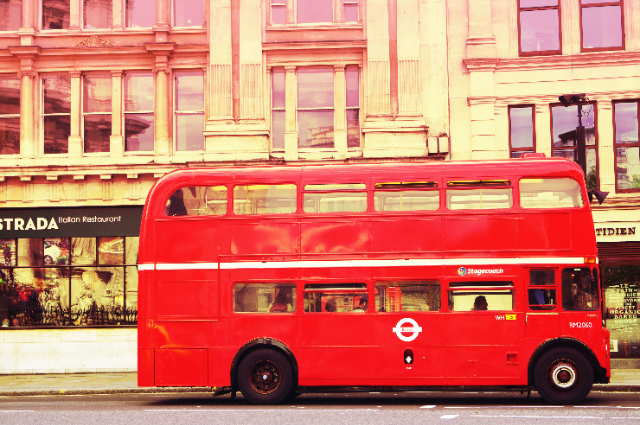
A Journey That Sounds Impossible Today
Today, if someone says they are travelling from London to India, most people will think about a flight. It usually takes less than ten hours to reach India by air. But many people do not know that there was a time when the journey could be made by bus.
It may sound difficult to believe today, but it really happened. From the late 1950s to the mid-1970s, people could buy a bus ticket in London and travel all the way to India by road.
The journey was long. It covered nearly 20,000 kilometres and usually took around 50 days. The bus passed through several countries before reaching its final destination. For many travellers, the journey itself was more important than reaching the destination.
The idea of travelling between Europe and Asia by bus may sound unusual today. But at that time, it was seen as an adventure. People wanted to see new places. They wanted to meet people from different cultures. Some simply wanted to experience a different way of travelling. One of the first companies to offer this service introduced a bus called The Indiaman in 1957. Later, many other operators joined.
Over the next few years, more than thirty companies offered similar journeys. Among them, one bus became especially famous. It was a double-decker bus called Albert. For many travellers, Albert became more than just a bus. It became a part of their memories.
The route usually started in London. From there, the bus travelled through countries like Belgium, Germany, Austria, Yugoslavia, Bulgaria, Turkey, Iran, Afghanistan and Pakistan before entering India. The final destination was usually Calcutta, now known as Kolkata. The journey was not short or easy. Road conditions were very different from today. Border crossings took time. Weather also changed from one country to another. Some days were hot. Some were cold. Sometimes the roads were smooth. Sometimes they were rough, but many people accepted these difficulties because they wanted to experience the journey.
The ticket was not cheap, but it was still affordable for many young travellers. Reports suggest that the fare was between £85 and £150, depending on the operator and the services offered. Passengers were not only paying for transport.
They were paying for an experience.
The buses were designed to make such a long journey more comfortable. Many had reclining seats. Some even had small sleeping areas.
There were reading lights, fans and places to keep luggage. The journey lasted several weeks, so passengers slowly became familiar with one another.
People who had never met before often spent many days together. They shared food. They shared stories. Sometimes they even became lifelong friends.
Looking back today, the idea of travelling thousands of kilometres by bus may seem impossible. Modern travellers usually choose speed.
Flights can take people across continents in a single day. But this bus journey belonged to a different time. It was slower. It required patience, and perhaps because of that, people noticed more along the way. They saw different landscapes. They crossed different cultures, and they experienced a world that looked very different from the one they had left behind.
The London to India bus was never just about travelling from one place to another. It was about seeing the world one road at a time.
More Than Just A Bus Journey
The London to India bus was not only about travelling from one country to another. For many people, it became a journey they remembered for the rest of their lives. The trip lasted almost fifty days. That meant passengers spent many weeks together. At first, most of them were strangers. But slowly they started talking to each other. There was no internet. There were no mobile phones. People had time to talk. The bus stopped in many cities on the way. Passengers could get down, walk around and see new places. Every country looked different. The food was different.
The language was different. Even the weather kept changing. One week they could be travelling through the mountains. A few days later they could be crossing deserts. For many passengers, this was the first time they had seen so many cultures in one journey. The route also became famous because of the Hippie Trail.
During the 1960s and 1970s, many young people from Europe wanted to travel across Asia. Some wanted adventure. Some wanted to learn about different cultures. Others wanted a simple life away from busy cities. India became one of their favourite destinations.
Many of them used this bus because it was cheaper than flying. The journey itself became part of the adventure. People often carried backpacks instead of heavy suitcases. Some travelled alone. Some travelled with friends. Many did not make detailed plans. They simply wanted to see the world.
The famous double-decker bus called Albert became popular among travellers. It was different from ordinary buses. It had comfortable seats and enough space for such a long journey. People spent many days inside it, so it slowly started feeling like a second home. Some passengers even wrote diaries during the trip. Others took photographs to remember the places they visited.
Years later, many of those pictures and stories became part of travel history. The journey was not always easy. Sometimes buses broke down.
Sometimes passengers had to wait at border crossings for many hours. Roads were not always in good condition. Still, most travellers accepted these problems. They knew that long journeys often come with unexpected moments. Looking back today, this bus route was much more than a transport service.
It connected people from different countries. It gave them a chance to understand places they had only read about. For some, it was their first visit to Asia. For others, it became the beginning of many more journeys.
Even today, people who travelled on this route often remember it with a smile. They do not only remember where they went. They also remember the people they met on the way. Sometimes, the best part of travelling is not the destination. It is the journey itself.
Why The Journey Came To An End
For many years, the London to India bus continued its journey. Thousands of people travelled on this route. Some travelled for adventure. Some wanted to explore new places. Others simply wanted to experience a long road trip. But slowly, things started changing.
The world was not the same anymore. Some countries on the route began facing political problems. There was growing tension in the region. Travelling through those areas became more difficult. One of the biggest problems was safety.
The bus had to pass through countries like Iran, Afghanistan and Pakistan before reaching India. These countries were an important part of the route. But during the 1970s, the situation in some of these places started becoming unstable. People became worried about travelling through those regions. Bus companies also found it difficult to continue the service. A journey that once felt exciting slowly became risky.
In 1976, the famous bus service finally stopped.
For many travellers, it was the end of a special chapter. The buses no longer crossed the same roads. The long journey from London to India became a part of history. A few years later, the situation became even more serious.
The Iranian Revolution and the Soviet invasion of Afghanistan changed the region completely.
By then, restarting the old route had become almost impossible. At the same time, air travel was becoming more common. Flights were faster. People could reach India in just a few hours instead of spending many weeks on the road. Many travellers preferred saving time.
Because of this, long-distance bus journeys also became less popular. Slowly, people forgot that such a bus had ever existed.
Today, if someone says there was once a bus from London to India, many people find it hard to believe. It sounds more like an old travel story than a real journey. But it was real. Old photographs, travel diaries and newspaper reports still remind us that this route once connected two continents. Even though the buses have disappeared, the memories have not.
Many people who travelled on this route still talk about it. They remember the countries they crossed. They remember the friends they made.
And they remember the feeling of seeing the world through a bus window. Sometimes history is not only about wars or famous leaders. Sometimes it is also about simple journeys that brought people closer. The London to India bus was one of those journeys. It showed that travelling was not only about reaching a destination. It was also about understanding different people, different places and different ways of life.
Today, that road is closed. But the story of that journey still lives on. It reminds us that the world once felt a little smaller, and people were ready to spend weeks on the road just to discover something new.
Can This Journey Come Back?
Even after many years, people still remember the London to India bus. Old passengers often share their memories. Some have written books. Some have shared old photographs.
Others simply tell stories about the journey they once made.
For many people, it was one of the biggest adventures of their lives. In recent years, there have been plans to bring back this famous road journey. A private travel company announced a Delhi to London bus service. The idea quickly became popular on social media.
Many people were surprised to know that such a journey could happen again. The new route was expected to pass through many countries, just like the old one. The journey was planned for people who enjoy long road trips and want to see different cultures. But the service has not started yet. It has been delayed several times. One reason is that travelling through many countries is not easy today. Every country has its own visa rules. There are also security concerns in some regions. Planning such a long international journey takes time.
So, even though the idea is exciting, making it a reality is not simple.
Still, the old London to India bus has not been forgotten. It remains an important part of travel history. It reminds us of a time when people were ready to spend weeks on the road. They travelled slowly. They stopped in small towns.
They met new people. They learned about different cultures.
Today, we often want to reach our destination as quickly as possible. Fast trains and flights have made travel much easier. But they have also changed the way we travel. Sometimes we reach a place without really seeing the journey.
The London to India bus was different. The journey itself was the experience. Every day brought a new country. Every stop brought new people. Every road had a different story. Maybe that is why people still remember it after so many years. It was not just a bus. It was a road that connected people from different parts of the world.
Today, that road no longer carries passengers like it once did. But its story continues to inspire travellers who believe that sometimes the best memories are made during the journey, not only at the destination.
History is full of famous kings, battles and inventions. But sometimes, even an old bus can become a part of history. The London to India bus is one such story. It reminds us that travel is not only about reaching somewhere. Sometimes, it is about everything we learn on the way.
References:
- BBC Travel – The Hippie Trail: The journey that changed travel forever
https://www.bbc.com - The Guardian – Articles on the Hippie Trail and overland travel history
https://www.theguardian.com - Lonely Planet – History of overland travel between Europe and Asia
https://www.lonelyplanet.com - The Times (UK) – Reports on the London–Calcutta bus route and its history
https://www.thetimes.co.uk - Adventure Overland – Delhi to London Bus Expedition (Revival Project)
https://www.adventureoverland.com - The Better India – Story of the historic London–Calcutta bus route
https://www.thebetterindia.com. . .