
The Rescue That Became a Tragedy
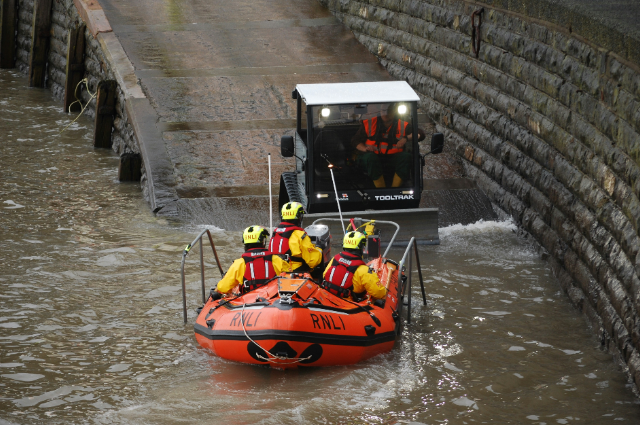
On August 1, 2026, heavy rain and rising floodwater created a dangerous situation in Kannur, Kerala. A farmer named Benny became stranded on an island near Meenthulli after the Kariangode River began rising rapidly.
When rescuers learned about him, R. Rajesh, a 36-year-old swimming and rappelling instructor, joined the rescue operation. He went into the dangerous river along with other rescuers to bring Benny back safely.
Rajesh was not an ordinary volunteer. He was trained in swimming and rescue work and had already taken part in rescue operations during the 2018 Kerala floods and the 2024 Wayanad landslides. The rescue team finally reached Benny and began bringing him back towards the shore.
But while returning, Benny struggled in the strong current. Rajesh then made a decision that changed the entire rescue operation. He removed his own life jacket and gave it to Benny. The older man reached safety, but Rajesh was left without the protection that could have helped him survive the strong current. While holding the safety rope during the return journey, he lost his grip and was swept away.
A rescue operation that had successfully saved one life had suddenly turned into a tragedy. Rajesh’s body was recovered on August 4 after an extensive search operation.
A Volunteer Who Was Always Ready to Help
Rajesh’s story did not begin with this flood. People who knew him said that he had been involved in rescue and adventure activities for years. He was a certified swimming instructor, a rappelling instructor and was associated with rescue and disaster-management activities.
During the 2018 Kerala floods, he had volunteered in rescue work. He also took part in rescue efforts after the 2024 Wayanad landslides. When heavy rain again created a dangerous situation in Kerala in 2026, Rajesh once again stepped forward.
For people like Rajesh, volunteering during a disaster is not simply about being brave. It also requires training, physical strength and the ability to make quick decisions when everything around them is uncertain. Floodwater can change very quickly. A river that looks manageable at one moment can become extremely dangerous within minutes.
That is why rescue volunteers often work in difficult conditions while other people are trying to move away from the danger. Rajesh was one of those people.
His neighbours also remembered him as someone always ready to help others. The New Indian Express reported that people in his village knew him for helping others and for training people in swimming and adventure activities.
His death brought attention to something that often remains unnoticed: the work of volunteers who quietly help people during disasters without expecting recognition.
The Human Cost Behind a Hero’s Story
The story of Rajesh is inspiring, but it is also deeply painful. When we hear that someone died while saving another person, we often immediately call that person a hero. But behind every such sacrifice, there is a family that has to live with the loss. Rajesh left behind his wife, two children and his parents. His children were still studying when he died.
His funeral was held with state honours, and many people came to pay their respects. Kerala Chief Minister V. D. Satheesan and other leaders visited his family. The Kerala government also announced that it would complete the construction of Rajesh’s unfinished house as a mark of gratitude for his service.
But no government support or public honour can replace a father or husband. This is the emotional side of disaster rescue that is often missing from news reports. We see the rescuer entering the water. We see the person being saved. We call the rescuer brave. But we do not always see the family waiting at home.
We do not see their fear when a rescue worker does not return. Rajesh’s story reminds us that every rescue volunteer is also someone’s son, husband, father, brother or friend. His sacrifice saved Benny, but it also left a family with a permanent loss.
What Rajesh’s Story Tells Us About Flood Volunteers
Kerala has faced several serious floods, landslides and other natural disasters over the years.
During such emergencies, government rescue teams are extremely important. But trained local volunteers also play a major role. They often know the area, understand local conditions and are ready to help people when they are trapped. Rajesh’s story shows both the courage and the risks involved in this kind of work.
His decision to give his life jacket to Benny helped the farmer reach safety, but it also left Rajesh exposed to the dangerous river current. His death shows why rescue volunteers need proper equipment, teamwork and safety procedures even when every second matters. Being brave does not mean ignoring one’s own safety. A rescuer also needs to return home safely because someone is waiting for them.
At the same time, Rajesh’s life shows the value of people who step forward when others are in danger. He had already helped during earlier disasters and continued to volunteer when Kerala faced another emergency.
His story should not only be remembered as a story of death. It should also be remembered as a story of service. The people who work during floods and landslides often enter places from which others are trying to escape. They face water, mud, damaged roads and uncertain conditions so that someone else can return home safely.
Rajesh saved a stranger’s life, but his story also reminds us that the people who save others need protection too. Behind every rescue volunteer is a family waiting for them to come back home.
References:
- India Today - Kerala flood rescuer R Rajesh
- The New Indian Express - Kerala village mourns hero Rajesh
- Onmanorama - Rajesh’s body recovered after rescue operation
- The News Minute - Family of swimmer Rajesh
- Onmanorama - State honours and unfinished house