
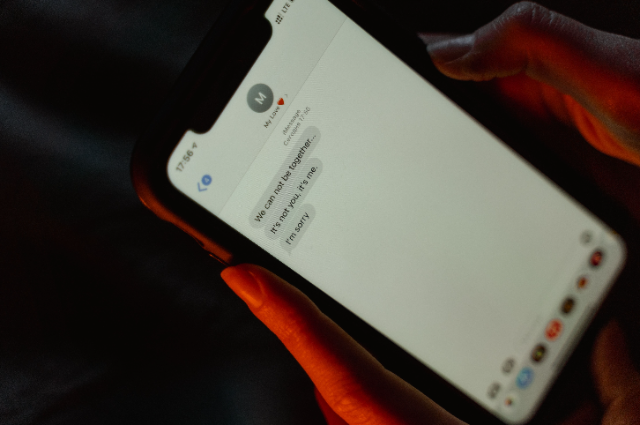
When Love Becomes a Trap
Imagine receiving a message from someone who seems to understand you better than anyone else. They ask about your day, remember small details about your life, and send you sweet messages every morning. Slowly, their words become an important part of your daily routine. You begin to wait for their messages, share your worries, and believe that you have finally found someone special.
But what if the person behind those loving words is not who they claim to be?
What if the beautiful pictures they send belong to someone else? What if their promises of marriage are only lies? And what if the person who says, “I will never hurt you,” is secretly planning to steal your money?
This is the dark reality of online romance scams.
The internet has changed the way people meet, communicate, and build relationships. Social media platforms and dating apps have made it easier to connect with people from different cities and countries. Many genuine friendships and loving relationships begin online. However, these same platforms can also be used by criminals who take advantage of people's emotions.
Online romance scams are not simply stories about lost money. They are stories about broken trust, emotional pain, shame, and the difficult journey of learning to trust again.
According to the Federal Bureau of Investigation (FBI), romance scammers create fake online identities to gain affection and trust before using the relationship to steal money or personal information. These criminals often appear caring, patient, and believable.
The danger is that a victim may not realise what is happening until the damage has already been done.
How Does an Online Romance Scam Begin?
Most romance scams do not begin with a request for money. They begin with attention.
A stranger may send a friendly message on Facebook, Instagram, or a dating app. They may compliment someone's appearance, ask about their interests, or show concern about their problems.
At first, everything seems normal.
The person may claim to be a doctor, a successful business owner, a soldier, an engineer, or someone working in another country. Their profile may contain attractive photographs, details about an impressive career, and stories about a difficult past.
Some scammers even steal photographs and personal information from real people's social media accounts to create believable identities.
After making contact, the scammer tries to build trust quickly. They may say, “I have never met anyone like you,” or “I feel as if I have known you for years.”
Such words can create a strong emotional connection, especially for someone who feels lonely or misunderstood.
The scammer may message the victim throughout the day, listen to their problems, and promise a future together. They may talk about marriage, travelling together, or starting a family.
But behind these promises, there may be a carefully planned attempt to gain control over the victim's emotions.
The relationship becomes a trap when affection is used as a tool for financial gain.
The Moment Everything Changes
After weeks or months of communication, the scammer may introduce an unexpected problem.
Perhaps they claim that they have been injured and need money for medical treatment. They may say that their bank account has been frozen, that they are trapped in another country, or that an urgent business problem requires immediate payment.
Sometimes, the scammer claims to have sent an expensive gift to the victim. Later, someone pretending to represent a delivery company or customs office demands money for taxes or release fees.
There may always be another reason to ask for money.
At first, the amount may seem small. The victim may send it because they genuinely believe they are helping someone they love.
When the first payment is made, the scammer may express deep gratitude and promise to repay everything soon. However, another emergency may appear before the previous one is resolved.
The requests continue, and the amounts may grow larger.
If the victim becomes suspicious, the scammer may become emotional. They may accuse the victim of not caring, threaten to end the relationship, or claim that their love is being tested.
This is emotional manipulation. The victim is pressured to choose between protecting their finances and keeping a relationship they believe is real.
The cruellest part is that the victim may blame themselves for questioning someone they love.
What Do the Real Numbers Tell Us?
Romance scams are a documented form of fraud, and official reports show how serious their financial impact can be.
The United States Federal Trade Commission (FTC) reported that consumers submitted approximately 64,000 romance scam reports in 2023. The reported financial losses reached about $1.14 billion, with a median reported loss of $2,000 per person.
These figures show that romance scams can cause serious financial harm. They also represent reported cases, not necessarily every incident that occurred.
The FBI also reported that it received 17,910 complaints about romance scams in 2024, with reported losses of approximately $672 million across the United States.
These figures come from different agencies and reporting systems, so they should not be added together. They nevertheless show that online romance fraud remains a major concern.
India faces its own challenges with cybercrime. The Indian Cyber Crime Coordination Centre and the National Cyber Crime Reporting Portal provide reporting and support mechanisms for people affected by online fraud. Indian authorities have also issued warnings about fraudulent profiles on matrimonial platforms, including profiles created to deceive people.
However, cybercrime statistics do not always separate romance scams from other forms of fraud. It is therefore important not to present general cybercrime figures as if they represent romance scams alone.
Behind every reported loss is a person who may have trusted someone, shared private information, or believed that a relationship was genuine.
Numbers can measure financial damage. They cannot fully measure the pain of discovering that someone's affection was part of a lie.
An Illustrative Case: A Relationship Built on Lies
Consider the following example, which illustrates common warning signs reported by cybercrime authorities. It is not a documented individual case.A woman meets a man through social media. His profile shows photographs of a successful professional who travels frequently for work. He speaks politely, listens to her concerns, and makes her feel valued.
Within a few weeks, he tells her that she is the most important person in his life. He promises to visit her and talks about their future together.
One day, he says that an unexpected problem has left him without access to his money. He asks her for a small loan and promises to repay it when they meet.
She hesitates, but he reminds her of their plans and says that he trusts her more than anyone else.
She sends the money.
Soon, another emergency appears. Then another. Each time she considers refusing, he tells her how much he loves her and how disappointed he would be if she abandoned him.
Eventually, she realises that she has sent far more money than she can afford. When she asks for proof of his identity and repayment, his explanations become confusing. He stops answering calls and finally disappears.
The photographs remain on her phone. The promises remain in her memory. But the person she believed she knew may never have existed in the way he described.
This example demonstrates an important lesson: a relationship can feel emotionally real to the victim even when the other person is deliberately lying.
The victim's feelings are real. The deception is the criminal's responsibility.
Why Do Intelligent People Fall for These Scams?
One common misunderstanding is that only careless or uneducated people become victims of online romance scams.
This is not true.
A person's education, career, or financial knowledge does not make them immune to emotional manipulation. Scammers may target people from different backgrounds and age groups.
Loneliness can make regular attention feel especially meaningful. A person recovering from a painful breakup may hope to find love again. Someone living far from family may appreciate having a person who listens to them every day.
Scammers learn what their targets want to hear. They may present themselves as patient, understanding, and emotionally available.
They may also use fear, guilt, and urgency to prevent victims from thinking clearly.
Once someone believes they are in a loving relationship, they may interpret warning signs as temporary problems rather than evidence of fraud.
Some victims continue sending money because they hope to recover what they have already lost. Others remain silent because they fear being judged by family members or friends.
These reactions can make the situation worse.
It is important to remember that being deceived does not mean a person is foolish. It means someone deliberately used their trust against them.
The Emotional Cost of Online Romance Fraud
Financial loss is only one part of the problem.
A person who discovers a romance scam may experience sadness, anger, embarrassment, anxiety, or a deep loss of confidence. They may question their own judgment and wonder how they failed to recognise the truth.
Some victims struggle to trust new people. Others withdraw from family and friends because they are afraid of being criticised.
The pain can be especially difficult when the victim believed they were building a future with the scammer.
They may grieve the imagined marriage, the planned meetings, and the life they thought they would share. Even after learning the truth, they may miss the daily conversations and emotional attention.
Friends and family should respond with understanding rather than blame.
Statements such as “How could you believe that?” or “You should have known better” may increase shame and make the victim less willing to seek help.
A better response is to listen, offer practical support, and encourage the person to report the crime.
Emotional recovery may take time. Victims should be allowed to seek support without feeling that they must justify their feelings.
Warning Signs Everyone Should Know
Online relationships require care, especially when two people have never met in person.
The following warning signs deserve attention:
- The relationship moves too quickly.
Someone who talks about marriage or eternal love after only a few days may be trying to create emotional pressure before trust has been properly established. - They always avoid meeting.
The person repeatedly cancels video calls or in-person meetings and provides new excuses each time. - They ask for money.
Requests for emergency loans, travel costs, medical bills, gift cards, cryptocurrency, or other payments should be treated with caution, especially when the person has never been met in real life. - Their identity cannot be verified.
Their photographs, employment details, or personal stories may not match information that can be independently checked. - They ask for secrecy.
They may discourage the victim from discussing the relationship with friends or family because they fear others will expose the deception. - They request sensitive information.
Passwords, banking details, identity documents, verification codes, and private photographs can be misused.
One warning sign alone does not prove that someone is a criminal. However, several warning signs together should prompt careful verification and a pause in the relationship.
How Can We Protect Ourselves?
The purpose of online safety is not to make people afraid of love. It is to help them build relationships without putting themselves at unnecessary risk.
First, take your time. Genuine relationships do not require you to make sudden financial decisions or prove your love through payments.
Second, verify the person's identity independently. Reverse image searches may help reveal whether a photograph has appeared under another name. Remember that a convincing profile or video call is not absolute proof of identity.
Third, never send money to someone you know only through online communication, even if their story sounds urgent or heartbreaking.
Fourth, discuss the relationship with a trusted friend or family member. An outside perspective can help you notice details that are difficult to recognise when emotions are involved.
Fifth, protect your personal information. Do not share passwords, banking credentials, one-time passwords, or sensitive documents with an online romantic partner.
Finally, if you suspect fraud, stop sending money, preserve messages and payment records, report the account to the relevant platform, and contact the appropriate cybercrime authorities.
In India, financial cyber fraud should be reported as quickly as possible through the national cybercrime reporting system or by calling helpline 1930. The official reporting portal is https://cybercrime.gov.in. Quick reporting may help authorities and financial institutions take action, although recovery of lost money is not guaranteed.
If someone threatens to publish private photographs or messages, preserve evidence and seek help from the appropriate authorities rather than paying more money.
Most importantly, do not let embarrassment prevent you from asking for help.
Love Should Never Require Blind Trust
The internet has opened doors to friendships and relationships that would once have been impossible. People can meet across borders, share experiences, and build meaningful connections despite distance.
That possibility is worth protecting.
But real affection should not require secrecy, repeated payments, threats, or the surrender of personal safety. A person who genuinely cares about you should respect your boundaries and understand your need to verify important information.
Online romance scams succeed when criminals turn human emotions into opportunities for profit. They use the desire for love, companionship, and belonging against the very people who are searching for those things.
The answer is not to stop trusting everyone. It is to understand that trust must grow through honesty, consistency, and respect.
If you have been deceived, remember that the crime is not your fault. You deserve support, and you can take steps towards recovery.
If someone you know has become a victim, offer kindness instead of judgment. Your support may help them find the courage to speak up and seek justice.
A message can make us smile. A promise can give us hope. A relationship can change our lives.
But before giving someone your money, private information, or complete trust, make sure that the person behind the screen is truly who they claim to be.
Because love should bring peace, not fear; trust, not manipulation; and hope, not financial ruin.
The most important lesson is simple: keep your heart open, but keep your judgment awake.
References:
- Federal Bureau of Investigation (FBI). “Romance Scams.”
https://www.fbi.gov - Federal Trade Commission (FTC). “Love Stinks — When a Scammer Is Involved.” February 2024.
https://www.ftc.gov - Federal Bureau of Investigation (FBI). “FBI Chicago Releases Public Service Announcement Raising Awareness on Romance Scams and Confidence Fraud.”
https://www.fbi.gov - Government of India, National Cyber Crime Reporting Portal.
https://cybercrime.gov.in
Note: The illustrative case in this article is a fictional example based on common scam patterns described by official authorities. It is not presented as a real person's documented experience. Statistics are attributed to their respective sources and reporting periods.