
A snake curled behind cement bags in a parking lot. An owl stuck in an air shaft. A monkey wandering onto a highway. In the Mumbai region, where tall buildings press against forests, creeks and mangroves, these are not rare events. They are daily phone calls.
For more than a decade, many of those calls in Thane have been answered by the Wildlife Welfare Association, known as WWA India. It is a registered non-profit group of volunteers who rescue wild animals in distress, get them treated when needed, and return them to the wild.
This article, the first in a five-part series, tells how WWA began, who started it, and why its work matters to a city that shares its space with wildlife.
What is Wildlife Welfare Association?
Wildlife Welfare Association describes itself as a registered non-governmental organisation based in Thane, Maharashtra. Its volunteers rescue and rehabilitate injured or distressed wild animals and run awareness programmes so that people and animals can live side by side safely.
Rehabilitation, in simple words, means caring for a rescued animal until it is healthy enough to survive on its own, and then releasing it. WWA says rescued animals are examined, treated if they are hurt or unwell, and released to the nearest suitable green area only after proper medical attention and observation.
The organisation works alongside the Maharashtra Forest Department, municipal bodies and the police. Its helpline, +91 97573 22901, 22902 and 22903, is answered 24 hours a day.
How the journey began in 2013
WWA's own account of its beginning is simple. It began in 2013 by rescuing reptiles and other wildlife in the city of Thane. The work was started by Aniket Rajendra Kadam and Aditya Dinkar Patil, who, the organisation says, remain dedicated to the study, welfare and research of wildlife.
Today Aniket Kadam is listed as Founder, Vice President and Operations Head, and Aditya Patil as Co-founder and President.
Reptiles, mostly snakes, were the natural starting point. Snakes are the wild animals that most often turn up in Thane's homes and housing societies, and they are the ones people fear most. WWA's own records still show this. Of the animals it has logged since September 2023, about 73 per cent are reptiles.
The problem the founders set out to solve
WWA links its purpose to a serious public health issue. On its website, it notes that India is home to rich wildlife but records around a million snakebites a year, many of them caused by a lack of awareness.
A frightened person who finds a snake at home often tries to kill it or catch it, and that is when many bites happen. A trained rescuer who arrives quickly can remove the snake safely, protect the family and save the animal at the same time.
One of the founders explained this in his own words in 2018. In a feature on Mumbai's new generation of snake rescuers, Gulf News described Aditya Patil as a mechanical engineer and WWA's president. He called snake rescue part of his fundamental duty, pointing to Article 51A(g) of the Indian Constitution, which asks every citizen to protect the natural environment, including wildlife, and to have compassion for living creatures. He told the paper that he wanted to prevent deaths from snakebite.
Volunteers from every walk of life
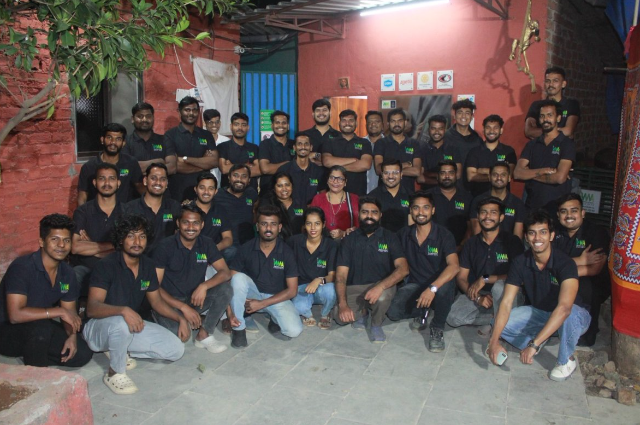
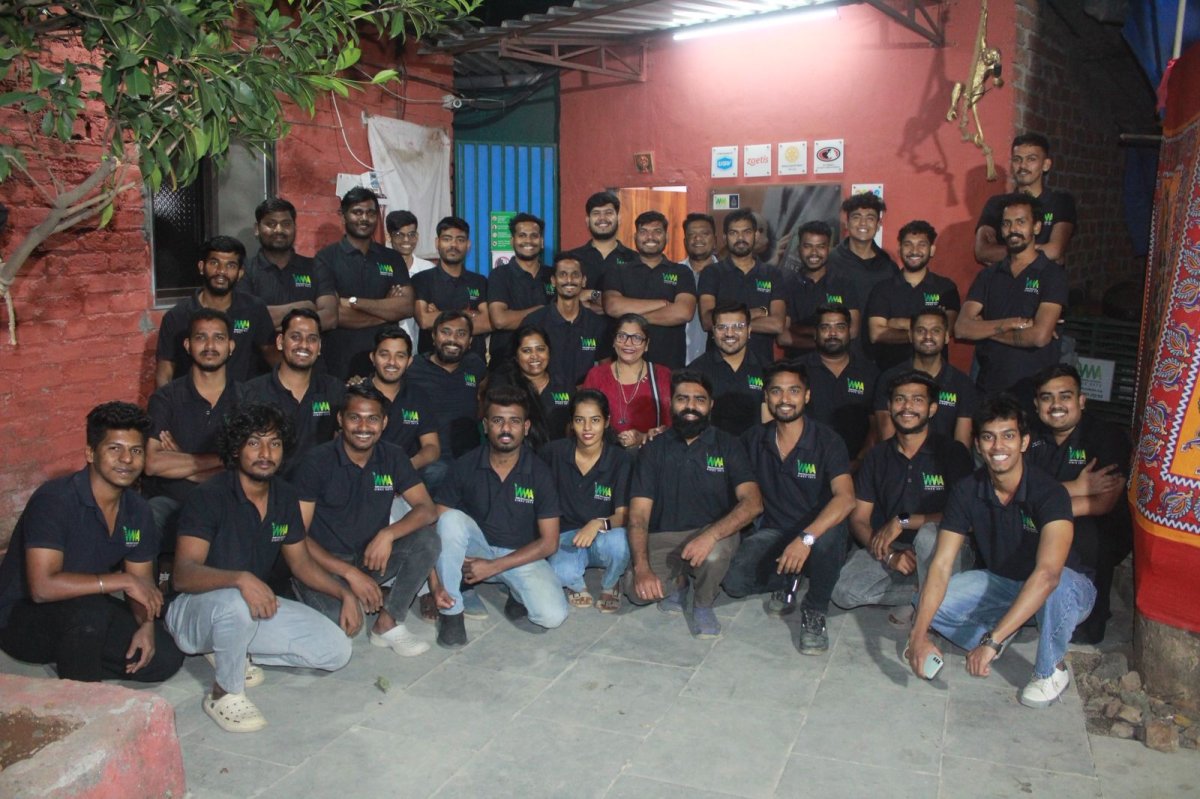
From the start, WWA has been a volunteer organisation. Its members, it says, come from different walks of life and give their time out of love and respect for wildlife.
The 2018 Gulf News feature gives a glimpse of the group in its early years. It described about ten snake rescuers in WWA, some working professionals, some college students, and some who rescued part-time. Rohit Mohite, who still serves on WWA's committee today, was named among them.
That small circle has grown. WWA's website now lists six office bearers, a five-member committee, eight programme managers and a rescue team, and it speaks of about 100 volunteer rescuers in all.
The vision: living together without fatal conflict
WWA states its vision in one line: to build an environment in our society where we realise the value of wildlife in our surroundings and accept their existence with us.
Its mission statements expand on that idea. They speak of being reliable in rescue and rehabilitation, raising awareness about wildlife protection, managing conflict between people and animals, conserving habitats with communities and government, working against wildlife crime, and improving the welfare of displaced animals through science-based care.
The word "coexistence" runs through all of it. It simply means that people and wild animals can share the same landscape safely, without either side getting hurt.
Why this work matters
Thane and Mumbai sit beside Sanjay Gandhi National Park, Yeoor hills, creeks, lakes and mangroves. As the city grows into these spaces, encounters with wildlife become more common, not less.
WWA's records show where the animals turn up. Since September 2023, about 1,100 animals were found inside houses and 489 inside housing complexes. Others were found by roadsides, in gardens, in lobbies and at construction sites.
Each of those calls is a moment when an animal could be killed, or a person could be bitten or scratched. A calm, trained rescuer changes the outcome for both.
That is the quiet value of a group like WWA. It turns fear into a phone call, and a phone call into a safe rescue.
What comes next in this series
This first article has told where WWA came from. The next article follows how the group grew from answering snake calls in Thane into a wider rescue network handling birds, mammals, crocodiles and leopards across the region.
If you find a wild animal in trouble in Mumbai, Thane or Navi Mumbai, keep a safe distance, keep children and pets away, do not try to catch it, and call the WWA helpline on +91 97573 22901.
Figures are from WWA's website as of 10 November 2026.