
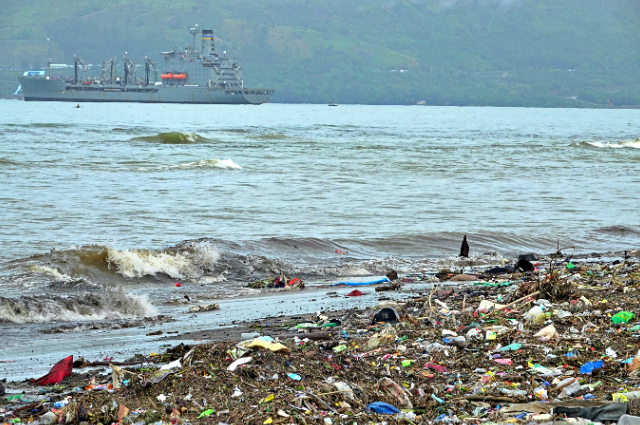
Water is the most fundamental natural resource sustaining human life, ecosystems, agriculture, and economic development. Despite being endowed with extensive river systems and substantial groundwater reserves, India faces a deepening water quality crisis. The Water Quality Index (WQI), a widely used indicator for assessing the suitability of water for human consumption and ecological health, places India alarmingly low, around the 120th rank globally. This poor ranking is not the result of scarcity alone, but of severe contamination affecting both surface water and groundwater. While surface water and groundwater serve different purposes and originate from distinct natural processes, both are increasingly compromised by human activity. This study examines the key contamination drivers affecting surface water and groundwater in India and compares their impact on the country’s deteriorating WQI.
Understanding the Water Quality Index in the Indian Context
The Water Quality Index consolidates multiple parameters such as dissolved oxygen, pH, turbidity, biological oxygen demand, nitrates, heavy metals, and microbial content into a single score. A low WQI reflects water that is unsafe for drinking, irrigation, and aquatic life. India’s low global ranking highlights systemic pollution rather than isolated incidents. Rapid urbanisation, population pressure, weak regulatory enforcement, and unsustainable industrial and agricultural practices have collectively degraded water quality across regions.
Surface Water Contamination: Visible but Neglected
Surface water sources—rivers, lakes, reservoirs, and ponds—are the most visibly polluted. India’s major rivers, such as the Ganga, Yamuna, Godavari, and Musi, receive enormous volumes of untreated waste daily. One of the primary drivers of surface water contamination is domestic sewage. Urban centres generate millions of litres of wastewater every day, yet sewage treatment capacity remains grossly inadequate. As a result, untreated or partially treated sewage is discharged directly into rivers, increasing organic load and promoting microbial contamination.
Industrial effluents constitute another major contributor. Industries such as textiles, tanneries, chemicals, pharmaceuticals, and paper manufacturing discharge effluents containing heavy metals like mercury, chromium, lead, and cadmium. Although environmental laws exist, poor monitoring and enforcement allow industries to bypass treatment norms. These pollutants reduce dissolved oxygen levels and introduce toxic substances into aquatic ecosystems.
Religious and cultural practices also contribute to surface water pollution. Ritual bathing, immersion of idols, and disposal of offerings add organic matter, plastics, paints, and chemical dyes into rivers and lakes. While culturally significant, the cumulative environmental impact is severe and often overlooked in policy discussions.
Agricultural runoff further worsens surface water quality. Excessive use of fertilisers and pesticides leads to nutrient enrichment, causing eutrophication in lakes and reservoirs. This results in algal blooms, oxygen depletion, and the death of aquatic organisms. Surface water contamination is thus a direct outcome of visible, continuous human interference.
Groundwater Contamination: Hidden but More Dangerous
Unlike surface water pollution, groundwater contamination is less visible but often more persistent and difficult to reverse. Groundwater is a primary source of drinking water in India, especially in rural and semi-urban areas. Over the years, excessive extraction and poor land-use practices have exposed aquifers to contamination.
One of the most significant drivers of groundwater pollution is geogenic contamination, particularly arsenic and fluoride. In states like West Bengal, Bihar, Assam, Rajasthan, and Telangana, naturally occurring arsenic and fluoride dissolve into groundwater due to geological conditions. Long-term consumption leads to severe health issues such as skeletal fluorosis, skin lesions, and cancer, directly affecting human development indicators.
Agricultural activities play a major role in groundwater degradation. Nitrates from fertilisers seep through soil layers into aquifers, making groundwater unsafe for consumption. High nitrate levels are especially dangerous for infants, causing conditions such as methemoglobinemia or “blue baby syndrome.”
Improper waste disposal and sanitation practices further contaminate groundwater. Open dumping of solid waste, leaching from landfills, and leakage from septic tanks allow pathogens and chemicals to infiltrate aquifers. Unlike rivers, groundwater lacks natural self-purification mechanisms, meaning contamination remains trapped for decades.
Industrial contamination of groundwater is particularly alarming. Toxic chemicals from industrial zones infiltrate subsurface layers, often unnoticed until health impacts emerge. Once polluted, groundwater remediation is costly and technically challenging, making prevention crucial.
Comparative Analysis: Surface Water vs. Groundwater
While both surface water and groundwater contamination contribute to India’s low WQI ranking, their contamination drivers differ in nature and impact. Surface water pollution is largely driven by point sources such as sewage outlets and industrial discharge pipes. It is immediate, visible, and sometimes reversible through treatment and flow management.
Groundwater pollution, in contrast, is driven by diffuse and long-term processes. It accumulates slowly and remains undetected until widespread health damage occurs. The invisibility of groundwater contamination leads to policy neglect, despite its greater dependence for drinking purposes.
Surface water quality fluctuates seasonally, improving during monsoons due to dilution. Groundwater quality, however, remains largely unchanged regardless of rainfall, making contamination effects more permanent. Consequently, groundwater pollution poses a more serious threat to India’s water security and public health.
Impact on India’s WQI Ranking
India’s low WQI ranking reflects the combined effect of polluted rivers and contaminated aquifers. Poor surface water quality affects ecosystems, agriculture, and urban water supply systems, while groundwater contamination directly undermines drinking water safety. The failure to treat sewage, regulate industrial discharge, and manage agricultural inputs indicates structural governance issues rather than technical limitations.
Moreover, fragmented water management policies treat surface water and groundwater as separate entities, ignoring their hydrological interconnection. Polluted rivers recharge contaminated groundwater, and polluted groundwater feeds back into surface systems, worsening overall water quality.
India’s low Water Quality Index ranking is a clear warning of an escalating environmental and public health crisis. Surface water contamination, driven by sewage, industrial effluents, and cultural practices, is immediate and visible, while groundwater contamination, caused by geogenic factors, agricultural runoff, and improper waste disposal, is silent but long-lasting. A comparative analysis reveals that while surface water pollution is easier to detect and address, groundwater contamination poses a more enduring threat due to its hidden nature and dependence on drinking water.
Improving India’s WQI ranking requires integrated water governance that recognises the interconnectedness of surface and groundwater systems. Strengthening wastewater treatment infrastructure, enforcing pollution control laws, promoting sustainable agriculture, and increasing public awareness are essential steps. Without addressing the root contamination drivers across both water sources, India’s water quality crisis will continue to deepen, affecting generations to come.
. . .
References:
- Central Pollution Control Board (CPCB). Status of Water Quality in India. Ministry of Environment, Forest and Climate Change, Government of India, New Delhi.
- World Health Organisation (WHO). Guidelines for Drinking-water Quality. WHO Press, Geneva.
- Ministry of Jal Shakti, Government of India. National Water Quality Monitoring Programme (NWQMP) Reports.
- United Nations Environment Programme (UNEP). Water Quality and Pollution Control. UNEP Publications.
- Mishra, P. C., & Patel, R. K. (2001). “Study of the Pollution Load in the Drinking Water of Rairangpur, a Small Tribal Dominated Town of North Orissa.” Indian Journal of Environment and Ecoplanning, 5(2), 293–298.
- Gupta, N., Pandey, P., & Hussain, J. (2017). “Effect of Physicochemical and Biological Parameters on the Quality of River Water.” Journal of Environmental Science and Technology, 10(1), 1–8.