
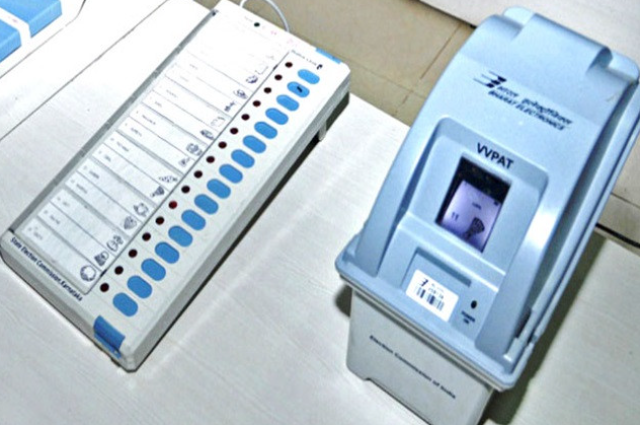
In a democracy, the right to vote is not merely a procedural formality—it is the most visible expression of public consent or dissent. Elections are meant to be noisy, contested, sometimes chaotic, but always participatory. That is why the events surrounding the Kalyan-Dombivli Municipal Corporation (KDMC) elections in early January 2026 have triggered unease far beyond the city’s limits. In 20 wards of KDMC, citizens will not vote at all. No polling booths. No EVMs. No NOTA button. Just winners declared “unopposed.”
This is not a technical glitch. It is a political moment that raises uncomfortable questions about voter disenfranchisement, institutional neutrality, and the hollowing out of democratic choice at the grassroots level.
The Anatomy of an “Unopposed” Victory
KDMC has 122 seats. Of these, 20—nearly 16% of the entire municipal corporation—were decided without a single vote being cast. Candidates from the Mahayuti alliance, primarily the BJP and the Eknath Shinde-led Shiv Sena, were declared winners simply because no rival candidates remained in the fray by the final withdrawal deadline of January 1, 2026.
On paper, the process appears legal. Election rules allow a candidate to be declared elected unopposed if no other valid nomination survives. But democracy is not only about legality; it is also about legitimacy. When such a large block of seats is decided without voter participation, the democratic spirit of the exercise comes under scrutiny.
The distribution of these unopposed wins is telling. Fourteen seats went to the BJP, while six were secured by the Shinde faction of the Shiv Sena. Opposition parties—Shiv Sena (UBT), MNS, NCP factions, and Congress—either withdrew candidates or saw nominations rejected. The result: entire wards where citizens were effectively told, “Your choice has already been made.”
Withdrawals, Rejections, and the Vanishing Contest
What makes the KDMC episode deeply controversial is not merely the outcome but the manner in which it was achieved. A significant number of opposition candidates withdrew their nominations at the last moment. Others had their nomination forms rejected on what were described as minor or clerical grounds.
In a healthy electoral environment, withdrawals happen—but rarely on this scale, and rarely in such a coordinated manner across multiple parties. Here, candidates from ideologically opposed camps exited the race almost simultaneously. This convergence has fueled allegations that the battlefield was cleared deliberately, not organically.
Prominent wards illustrate the pattern clearly. In some panels, entire slates of opposition candidates disappeared, handing over a “clean sweep” without contest. In others, a single strategic withdrawal—such as that of a local party president—tilted the balance irreversibly.
For voters in these wards, the election simply ceased to exist.
Allegations That Won’t Go Away
The opposition has been blunt in its response, calling the unopposed victories a “systemic scam” rather than a political achievement. Allegations range from financial inducements to administrative manipulation.
Claims of massive bribes—running into crores—being offered to candidates to withdraw have dominated the narrative. Alongside this are accusations that returning officers applied election rules unevenly: scrutinising opposition nominations with microscopic severity while overlooking comparable errors in ruling alliance papers.
There are also reports of pressure tactics—phone calls, closed-door meetings, and “persuasion” by powerful intermediaries. While these claims are yet to be proven in court, their sheer volume and consistency across parties point to a deeper trust deficit between the opposition and the electoral machinery.
When elections begin to look choreographed rather than contested, public faith becomes collateral damage.
The Missing NOTA: A Silent Disenfranchisement
At the heart of this controversy lies a deceptively simple question: Where is the NOTA button?
NOTA—None of the Above—exists precisely to give voters a way to reject all candidates. It is a formal acknowledgment that dissent is as democratic as support. But in KDMC’s 20 unopposed wards, voters are denied even this symbolic choice.
Activists argue that even if there is only one candidate, polling should still take place. Let citizens press NOTA if they wish. Let the data reflect public sentiment. The absence of polling erases not just opposition candidates, but opposition voices.
Some political groups have gone further, demanding that NOTA be treated as a “virtual candidate.” If NOTA secures more votes than the sole contestant, they argue, the election should be annulled and re-held. This idea challenges traditional electoral logic, but it also reflects a growing frustration with elections that offer outcomes without consent.
Courts, Commissions, and Credibility
The issue has now entered the legal arena. Petitions filed in the Bombay High Court argue that voters cannot be deprived of their right to vote merely because other candidates withdrew. The argument draws strength from earlier judicial observations that voting is a constitutional expression, not a conditional privilege.
The State Election Commission (SEC), meanwhile, has adopted a cautious stance. It has indicated that it will not formally certify all 20 winners until inquiry reports are submitted by the Municipal Commissioner. These reports are meant to determine whether withdrawals occurred due to coercion, pressure, or inducement.
This hesitation itself is significant. It suggests that the controversy is not being dismissed as political noise but treated as a potential institutional failure that demands scrutiny.
The 27 Villages Factor: Protest Meets Paradox
Complicating the situation further is the boycott called by the 27 Villages Struggle Committee, which has long demanded a separate municipal arrangement. Their decision to abstain from the election—both as voters and as candidates—was meant as a protest against political neglect.
Ironically, this boycott ended up indirectly benefiting the ruling alliance. By vacating the electoral field in specific panels, the protest reduced competition and contributed to unopposed outcomes in certain clusters.
This paradox highlights a recurring dilemma in democratic movements: when withdrawal is used as resistance, it can sometimes strengthen the very forces it seeks to oppose.
Mandate Without Mandate?
Supporters of the ruling alliance have framed the unopposed victories as an endorsement of governance and welfare initiatives. They argue that opposition parties lacked ground support, organisational strength, or public trust—hence their retreat.
But a mandate without voting is a fragile claim. Confidence measured by silence is not the same as confidence earned through ballots. Democracy relies not only on winning, but on being seen to win fairly.
Municipal corporations are the closest tier of governance to everyday life. They manage water, roads, sanitation, schools, and hospitals. When citizens are denied a say at this level, democratic z erosion is not abstract—it is immediate and local.
What KDMC Signals for India’s Democracy
The KDMC episode is not an isolated municipal anomaly. It is a warning signal. When elections become procedural exercises rather than participatory events, democracy risks becoming performative.
The question is not just why opposition candidates withdrew, or whether money changed hands. The deeper question is this: Can democracy function when choice is engineered out of the system?
Twenty wards without voting may seem small in a nation of millions, but precedents matter. If unopposed victories become normalized through strategic withdrawals and administrative filtering, the ballot itself loses meaning.
NOTA was introduced to empower voters. Denying it—by denying the vote altogether—undermines that empowerment.
Democracy Demands More Than Winners
Elections are not only about who wins; they are about how power is acquired. The KDMC unopposed seats force us to confront an uncomfortable reality: legality can coexist with disenfranchisement.
Until voters are guaranteed the right to express approval or rejection—even in one-candidate contests—the democratic process remains incomplete. The absence of NOTA in these 20 wards is not a technical footnote. It is the core of the crisis.
In the end, the most troubling question remains unanswered:
If citizens cannot vote, can we still call it a victory?
References
- State Election Commission, Maharashtra
Statements by SEC Commissioner Dinesh Waghmare regarding inquiry into withdrawals, coercion, and delayed certification of unopposed winners in KDMC elections - The Hindu
Reports on KDMC unopposed seats, allegations of coercion and inducement, SEC’s inquiry process, and legal challenges filed in the Bombay High Court. - The Times of India (Mumbai & Thane editions)
Coverage of KDMC election withdrawals, party-wise unopposed seat distribution, Congress disciplinary action against leaders who withdrew nominations, and opposition allegations of financial inducements. - NDTV Marathi
Ground reports and interviews with opposition leaders questioning the absence of NOTA, reactions from local voters, and details of unopposed ward outcomes. - Indian Express
Statements from Chief Minister Eknath Shinde defending the unopposed victories as an endorsement of governance and welfare initiatives. - X (formerly Twitter) – Verified Accounts
Public statements and claims by BJP spokespersons and opposition leaders regarding unopposed candidates across municipal corporations in Maharashtra.