
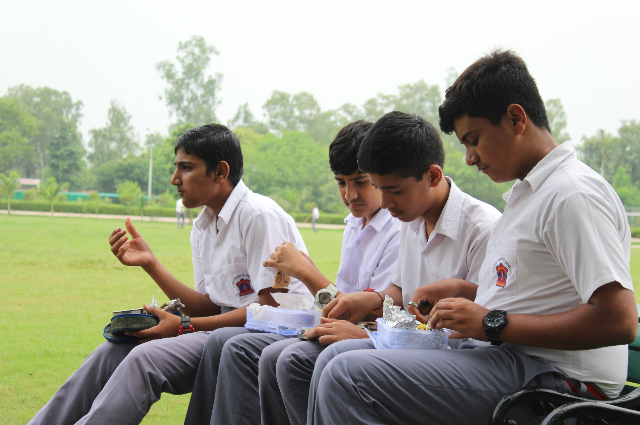
Photo by Dilip Sharma on Unsplash
Eleven students recently found themselves in the hospital after a meal at a residential school in Karnataka. This event caused immediate alarm for parents and school officials across the region. When children fall ill after eating at school, it raises serious questions about the safety of the food they consume daily. Understanding what happened and how to prevent future outbreaks is essential for the wellbeing of all students in these institutions.
Immediate Actions Following the Karnataka School Food Poisoning
The incident occurred at the Dr. B.R. Ambedkar Residential School in Basavanapura village, located in the Ramanagara taluk. On the night of July 9, 2026, students reported feeling sick shortly after eating dinner. The meal served that evening included rice and a leafy vegetable curry. The situation escalated quickly as several children began experiencing severe stomach pain and discomfort.
School authorities acted fast by moving the affected students to the Ramanagara District Hospital. Eleven students required medical care. Fortunately, their condition was reported as stable following prompt treatment. This swift response helped prevent the situation from becoming much worse. When such incidents occur, time is critical. The school did the right thing by seeking medical help immediately rather than waiting to see if symptoms would subside on their own.
Local health officials were notified promptly as well. Their role became central to managing the immediate aftermath, ensuring the other students in the school were safe and monitoring the hospitalized children. No further major health alerts were issued to the general public, but the incident remains a sharp reminder of how quickly foodborne illnesses can spread in group settings.
Investigating the Cause and Tracing Contamination Sources
Once the students were safe, the focus shifted to the cause. Officials from the health department and district administration initiated a formal investigation. The primary goal was to find the source of the contamination. Identifying whether the issue originated from the ingredients, the preparation, or storage is vital to stopping it from happening again.
The investigation examines the school's kitchen hygiene and food handling methods. Investigators look for lapses in sanitation, such as inadequate cleaning of cooking surfaces or improper storage of raw ingredients. Leafy vegetables, often linked to foodborne illnesses if not washed properly, are a specific point of interest in this case. Contamination can occur at many points, from the farm where the vegetables were grown to the kitchen counter where they were chopped.
Sourcing also plays a huge role. Authorities are reviewing where the school buys its food and if there were any recent deliveries or new suppliers. If raw materials were contaminated before reaching the school, the risk is much higher. Laboratory teams are currently analyzing food samples and water from the facility to pinpoint the exact pathogen or toxin responsible. These tests act as the final check to confirm what caused the students to fall ill.
Improving Safety Protocols and Student Protection
Students in residential schools are more vulnerable to widespread foodborne illnesses than students who eat at home. They all share the same kitchen and the same meals. If one batch of food is tainted, many people get sick at once. This vulnerability makes having strong food safety management systems in every residential school non-negotiable.
Current food safety guidelines exist for schools across India, but the incident in Ramanagara shows they must be followed strictly. It is not enough to have a set of rules on paper; these rules must be part of the daily routine. Schools should hold their kitchen staff to very high standards.
Ensuring Accountability for Better School Safety
The administration of any residential school carries a heavy responsibility for the health and safety of the students in their care. Parents trust these schools to provide safe housing and nutrition. When that trust is broken, there must be clear accountability. If the investigation reveals negligence, such as ignoring safety protocols to save money or time, the school management must face consequences.
Government and regulatory bodies also have a key role to play. They are responsible for monitoring schools and enforcing safety standards. The recent incident in Ramanagara, following other cases reported in the state, suggests that current oversight might need to be more intense. Regular, surprise inspections are better than announced visits. These checks help ensure that schools keep their kitchens clean and follow safety rules every day, not just when they know an inspector is coming.
Parents have an important role, too. They should stay engaged and ask the school administration about their food safety policies. If a parent has concerns about the quality of food or hears reports of students feeling sick, they should speak up. A school that knows parents are watching is more likely to prioritize safety. Community awareness helps build pressure on schools and authorities to do better.
Closing Thoughts on Student Welfare
The situation at the Dr. B.R. Ambedkar Residential School serves as a reminder of the vigilance needed in our schools. Eleven students falling ill is eleven too many. While it is good that they received treatment and are stable, the focus must now turn to ensuring this does not happen again. The investigation will provide the answers needed to fix the specific issues at this school, but the lessons should be applied broadly.
. . .
References: