
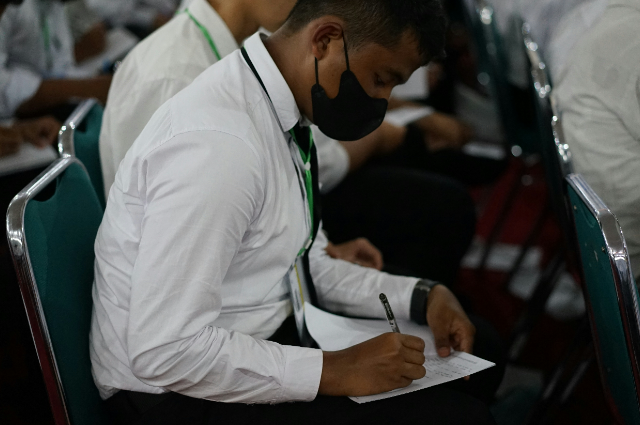
A leaked question paper can erase months of study in a few hours. It can force a re-test, delay recruitment, raise travel costs, and leave honest candidates unsure whether merit still matters. The damage reaches students, families, examination bodies, and public trust.
The Lok Sabha passed the Public Examinations (Prevention of Unfair Means) Amendment Bill, 2026 on July 29, amid opposition protests linked to alleged police action during the NEET-UG agitation. The Hindu's report says the bill raises penalties, sets deadlines for investigations and trials, and allows the Centre to create special task forces.
The amendment now faces further steps before it can operate as law. Its effect on competitive exams will depend on enforcement, court action, exam security, and how authorities treat students after a suspected leak.
What the Anti-Paper Leak Amendment Bill Changes?
The amendment strengthens the legal response to paper leaks and other unfair means in public examinations. The reported offences cover paper leaks and related misconduct, with the bill aimed at people who damage the fairness of exams. The source report does not list every offence in the amendment text. It does confirm tougher punishment for individuals found guilty of paper leaks or other unfair means, as well as separate treatment for organised rackets.
This approach shifts attention beyond students who may receive leaked material. It places greater pressure on people and groups that plan, fund, arrange, or profit from examination fraud.
It builds on the 2024 anti-paper leak law
The bill amends the Public Examinations (Prevention of Unfair Means) Act, 2024. Union Minister Jitendra Singh told the Lok Sabha that the government had learned from the law’s implementation and wanted to tighten it after recent experience. According to the minister, 52 FIRs had been registered since the original law came into force. The Hindu report also says he told Parliament that suicides linked to paper leaks had declined, though the report does not provide an independent data set or further details.
The amendment should therefore be read as a change to an existing paper leak law, not as India’s first central statute on unfair means in public exams. The Lok Sabha’s approval does not by itself make the amendment enforceable. The Rajya Sabha must consider the bill, and both Houses must pass the same version before it can go to the President for assent.
After assent, the government must notify the law or its effective provisions. Any rules, procedures, or administrative directions required for implementation would also need to follow. The source report confirms Lok Sabha passage, but it does not confirm Rajya Sabha approval, presidential assent, or notification.
Key Takeaways From the Anti-Paper Leak Amendment Bill
The Lok Sabha has passed an amendment designed to strengthen India’s response to paper leaks and unfair means in public examinations. It raises penalties, requires quicker investigations and trials, and permits special task forces for selected cases.
The passage took place amid opposition protests, so the bill’s substance and parliamentary handling remain part of the public debate. Its success will depend on action across the exam supply chain, strong cyber controls, careful investigations, and fair treatment of candidates.
Students should track official notices, reject leak offers, preserve exam records, and report suspected malpractice through authorised channels. The bill’s final impact will become clear only after the remaining parliamentary steps, presidential assent where required, notification, and implementation.
The anti-paper leak amendment bill gives India a tougher legal response to exam fraud. Its proposed penalties and deadlines may deter organised rackets, but law alone cannot secure every question paper.
Examination bodies must protect printing, storage, transport, software, staff access, and vendor contracts. Students deserve quick facts, fair re-tests, and clear decisions when a paper is compromised. Until the bill completes the legislative process, candidates should follow official updates and treat every unofficial leak claim with caution.
. . .
References: